A Deep Dive into Aphantasia, Inner Dialogue, and How Minds Process Reality
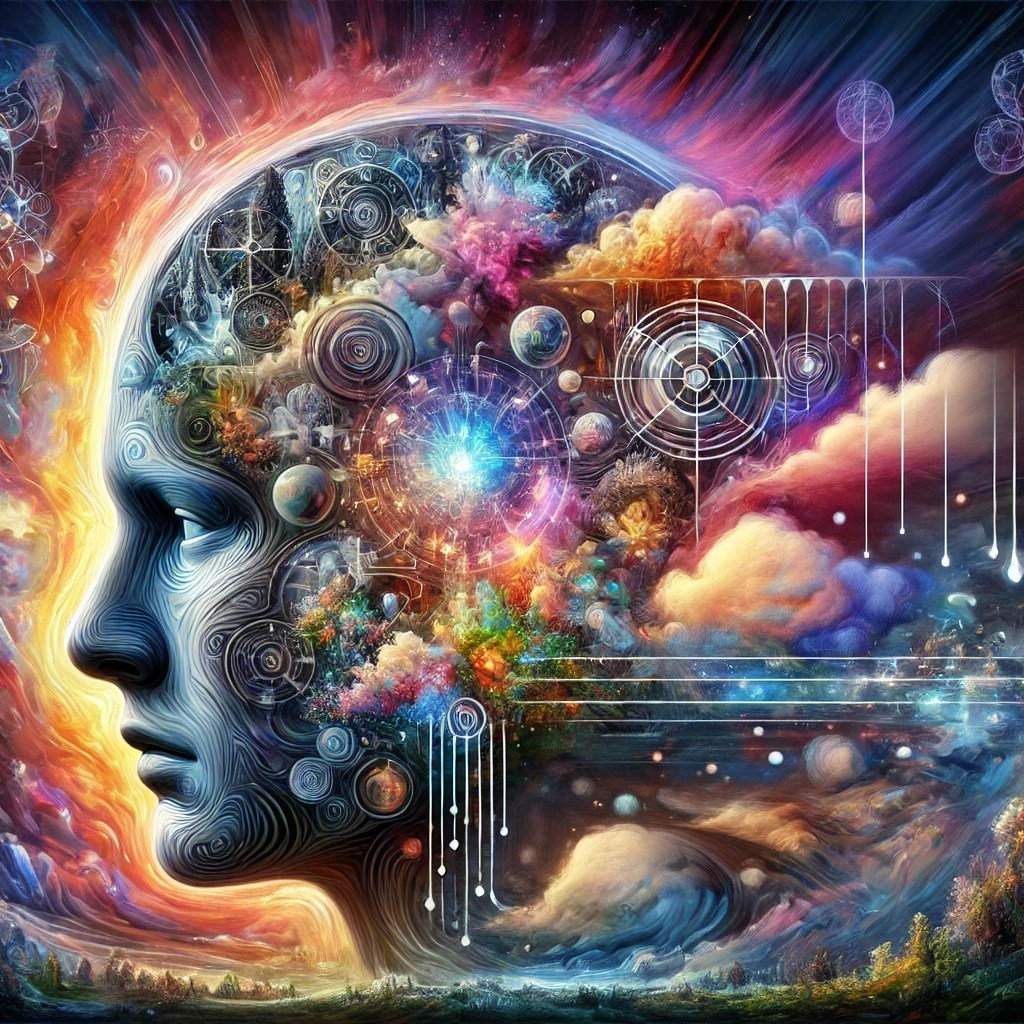
Understanding Aphantasia: A Mind Without Images
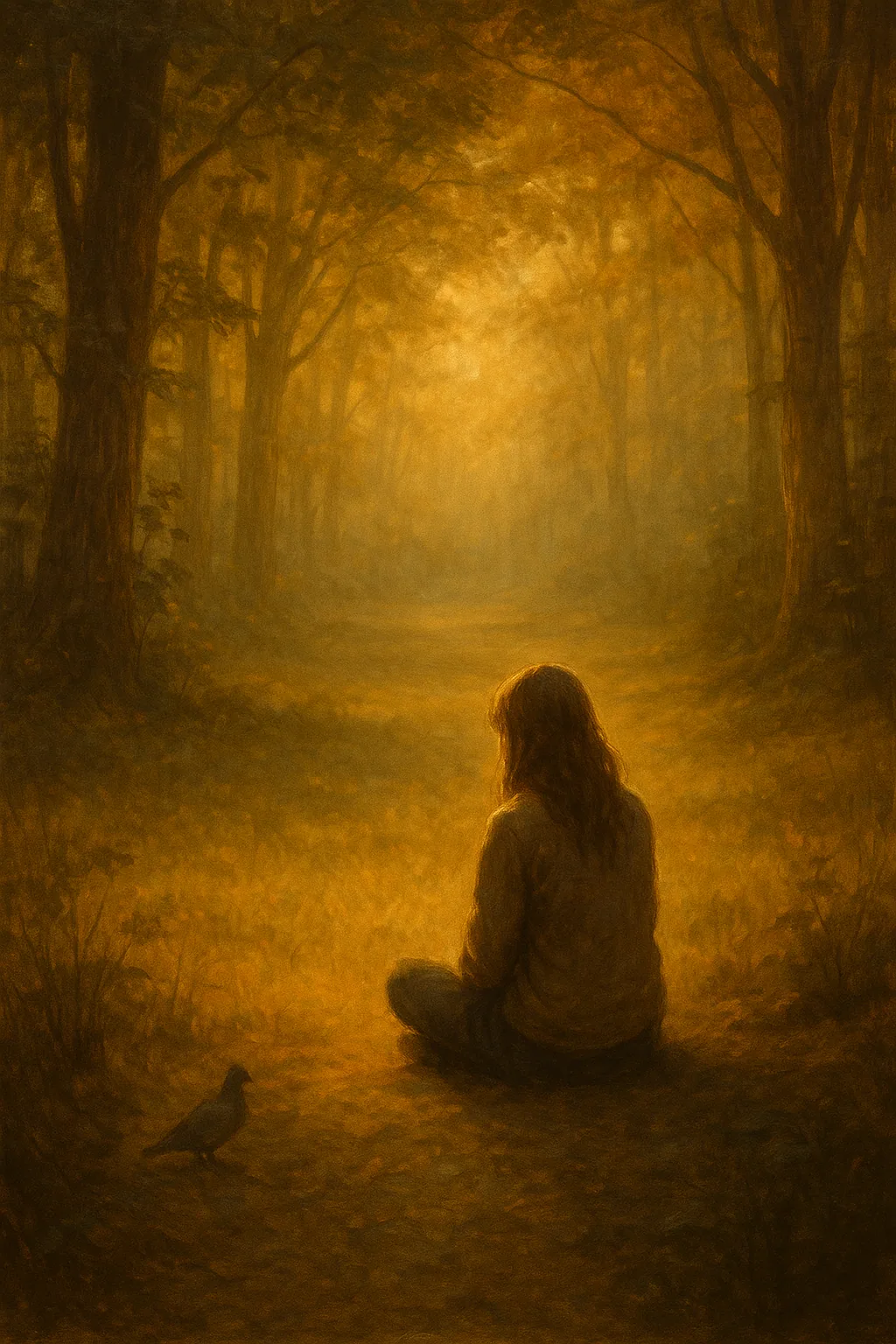
Aphantasia is a cognitive condition where a person is unable to create mental images. While most people can close their eyes and vividly picture a familiar place, a loved one’s face, or even an imagined scene, those with aphantasia experience complete mental darkness. There are no visuals, no mental photographs, no movie-like memories—only thoughts, concepts, and knowledge.
For many, discovering aphantasia is a shocking moment. It often goes unnoticed because individuals assume their way of thinking is universal. It is only when the topic of mental imagery arises in conversation that the realisation occurs—others can actually see in their minds what they describe, whereas those with aphantasia cannot.
The Day I Discovered My Mind Works Differently
Two years ago, while living in my caravan, Mildred, I had a conversation that changed my understanding of my own cognition. It happened during a psilocybin trip when someone mentioned visualising something in their mind. I casually asked, “Can you actually see it?” expecting a response of confusion. Instead, they answered with certainty, “Yes, of course.”
At that moment, it hit me—I had never once visualised anything. My memories existed, but not as images. My thoughts were active, fast-paced, and interconnected, but there was no accompanying mental theatre. My mind was blind, but it was also intensely aware.
Inner Monologues, Inner Dialogues, and the Non-Visual Mind
While some people experience aphantasia, their internal world is still rich and active. The absence of imagery does not mean an absence of thought. Instead, it shifts how the mind processes information.
- Inner Monologue – Some people have a continuous inner voice narrating their thoughts. This monologue can feel like an ongoing conversation with oneself, shaping decisions and internal reasoning.
- Inner Dialogue – Others experience multiple perspectives in their thoughts, almost like an internal debate. Different ideas or voices challenge each other, refining reasoning and problem-solving.
- Conceptual Thinking – Without images, the mind relies on abstract connections. Thoughts may feel like a network of ideas rather than a visual replay of events.
- Emotional and Sensory Thinking – Some with aphantasia rely heavily on feelings, sensations, and logic rather than imagined scenarios.
For me, thoughts are constant, rapid, and interwoven. I do not see the past; I simply know it. Memories do not replay visually; they are recalled as facts, emotions, and associations. My thinking is structured like a vast network—interconnected, non-linear, and always active.
How Aphantasia Shapes Perception and Memory
Without mental images, memory recall functions differently. Instead of visual snapshots, memories are stored as knowledge, facts, and emotions. People with aphantasia might remember what happened, who was there, and how they felt, but not as a scene playing out in their mind.
This difference extends beyond memory. Creativity, problem-solving, and even daydreaming take on unique forms:
- Creativity Without Visualisation – Many assume creativity requires mental imagery, but it does not. Writers, musicians, and innovators with aphantasia create based on concepts, logic, and external inspiration rather than internally visualised scenes.
- Dreaming – Some with aphantasia report having visual dreams, while others experience dreams as purely conceptual or emotional events.
- Reading and Imagination – People with aphantasia often enjoy books but do not “see” the scenes described. Instead, they process the information differently, focusing on the meaning and structure of the story.
Is Aphantasia a Strength or a Limitation?
Aphantasia is neither an advantage nor a disadvantage—it is simply a different way of processing reality. However, it does shape certain aspects of cognition:
- Strengths:
- Enhanced logical reasoning and problem-solving.
- Reduced susceptibility to intrusive imagery or visual distractions.
- Stronger reliance on facts, concepts, and emotions rather than mental simulations.
- Potentially higher levels of intuition due to the ability to process information abstractly.
- Challenges:
- Difficulty with exercises that rely on visualisation, such as guided meditation.
- Harder time recalling faces without external references.
- A different approach to memory recall, sometimes making nostalgia feel less immersive.
The Prevalence of Aphantasia and Cognitive Diversity
Aphantasia affects an estimated 2-5% of the population. However, just as some people naturally think in pictures, others rely more on words, concepts, or emotions. The diversity in cognitive experiences highlights an important truth—there is no single “correct” way to think.
For those with aphantasia, the realisation can be both enlightening and disorienting. It challenges long-held assumptions about memory, imagination, and even identity. But it also offers a unique perspective—one rooted in direct experience, logic, and raw understanding rather than mental projections.
How Do You Think?
If you close your eyes, do you see images? Do you hear a voice narrating your thoughts? Or do you process reality in a way entirely your own?
Aphantasia is just one of many ways the human mind functions. Whether visual, verbal, or conceptual, the way we think shapes how we see the world. Understanding these differences opens the door to deeper self-awareness and appreciation for the vast diversity of human cognition.