Adoption for Profit: The Hidden Business Behind the UK’s Broken Care System
©️ Op-ed By Sarah Jane | The Indie Leaks | The Grooming Files | @sophielewiseditorial
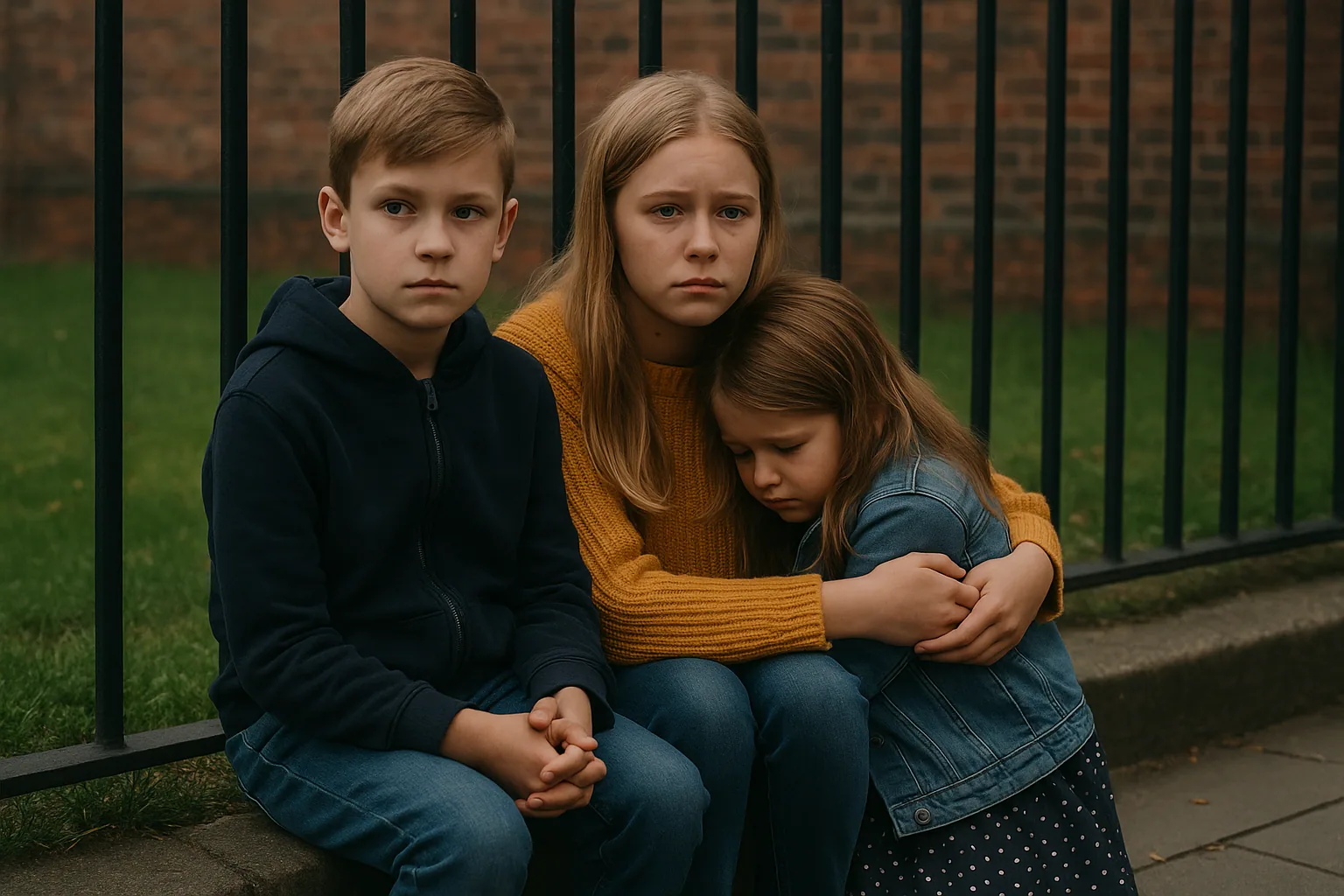
In Britain, adoption is sold to the public as a fairy-tale solution — a child in need, a loving family, a fresh start. But the reality is far more uncomfortable. Behind the heartwarming headlines lies a system that’s increasingly shaped by bureaucracy, inequality, and financial incentive. In 2025, adoption is not just a safeguarding tool — it’s a business.
The Numbers No One Talks About
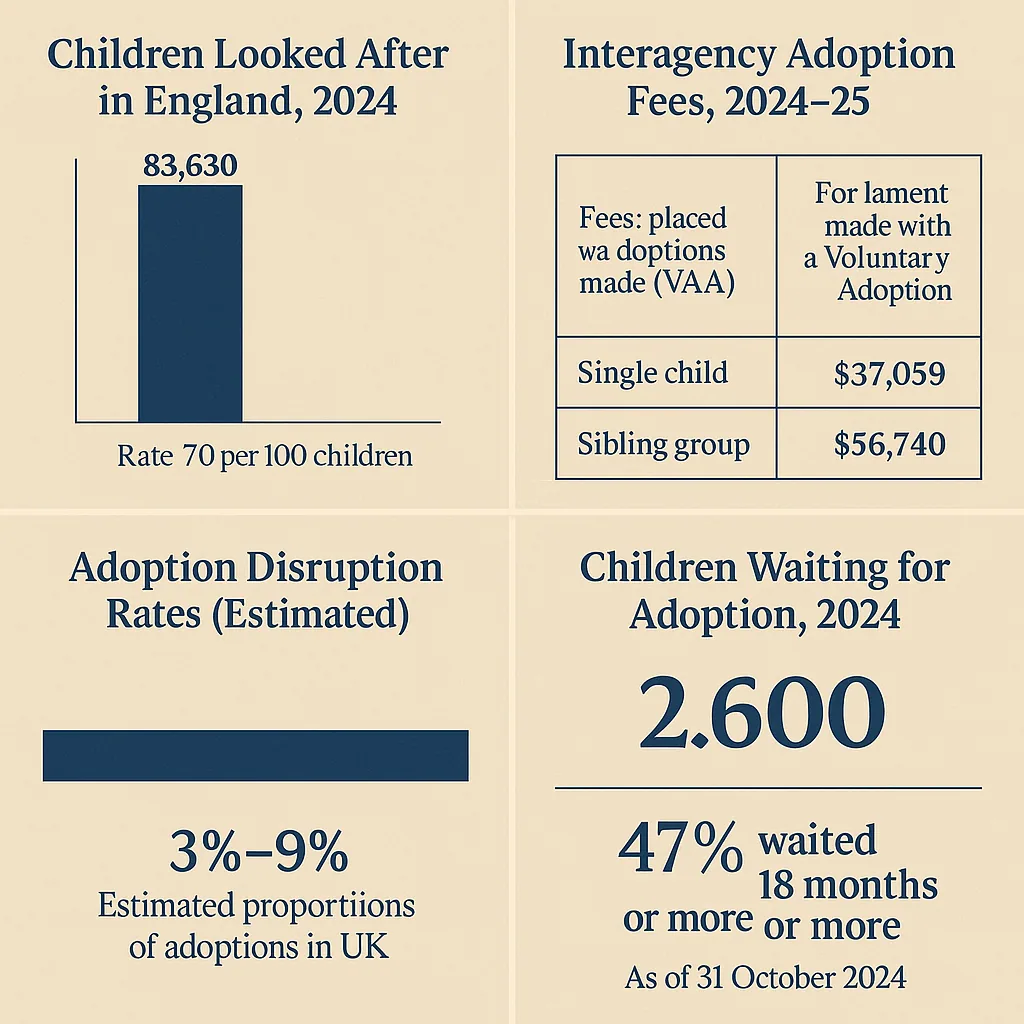
As of March 2024, 83,630 children were in the care of English local authorities — a rate that has barely budged over the past five years. That’s 70 in every 10,000 children living without their birth families.
[Source: Department for Education, 2024]
Of those, only a small fraction will be adopted. In the April–June 2024 quarter, just 1,089 adoption applications were made, and 1,103 adoption orders were issued — a slight rise from the year before, but still far lower than previous decades.
[Source: Ministry of Justice, Family Court Statistics, Q2 2024]
Meanwhile, 2,600 children are waiting for adoption — and 47% of them have waited over 18 months.
[Source: Home for Good, 2024]
Follow the Money
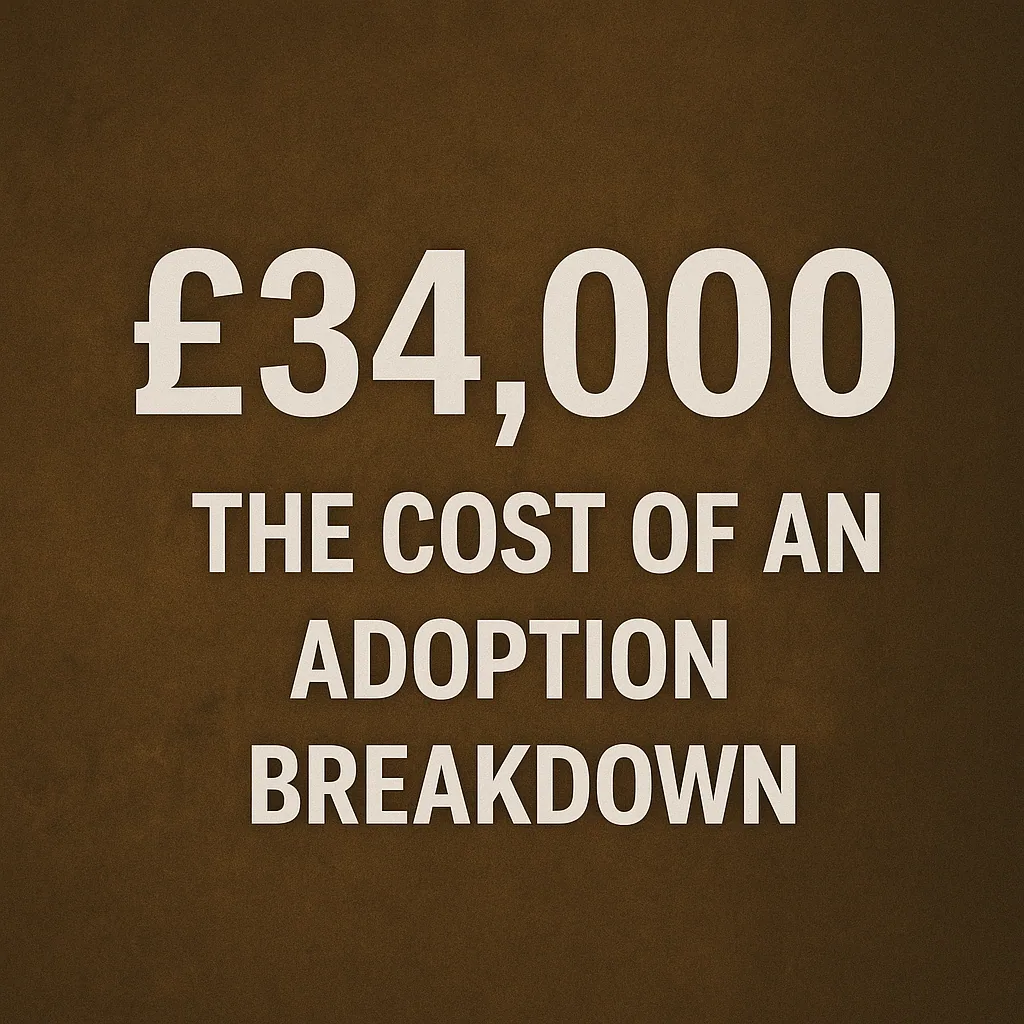
What many don’t realise is that adoption isn’t free. Not for families — and not for the system.
- Private or voluntary adoptions can cost £12,000 to £25,000 to complete.
[Source: Jigsaw Adoption & MoneyHelper UK] - £37,059 is the current “interagency fee” for a single child placed via a Voluntary Adoption Agency (VAA).
[Source: CoramBAAF Interagency Fee Guide, 2024–25]
These fees aren’t going to the child. They’re funnelled into social services, legal bodies, and agencies. While some of it pays for assessments and placement work, critics argue the system now has financial incentives to remove — not reunify — families.
Forced Adoption Still Legal
The UK remains one of the only countries in Europe where adoption without parental consent is legal and routine.
Data from past parliamentary reviews show that up to 50% of adoptions in England have occurred without the agreement of the child’s birth parents. Many of those parents were not abusive, but vulnerable: young, in poverty, escaping domestic abuse, or misdiagnosed with mental health conditions.
“They said I was unstable. I was grieving. I asked for help, and they used it to take my child,” said one mother, whose story mirrors hundreds more.
Once adoption is ordered by the court, it is permanent. There is no appeal, no route back.
The Cost of Breakdown
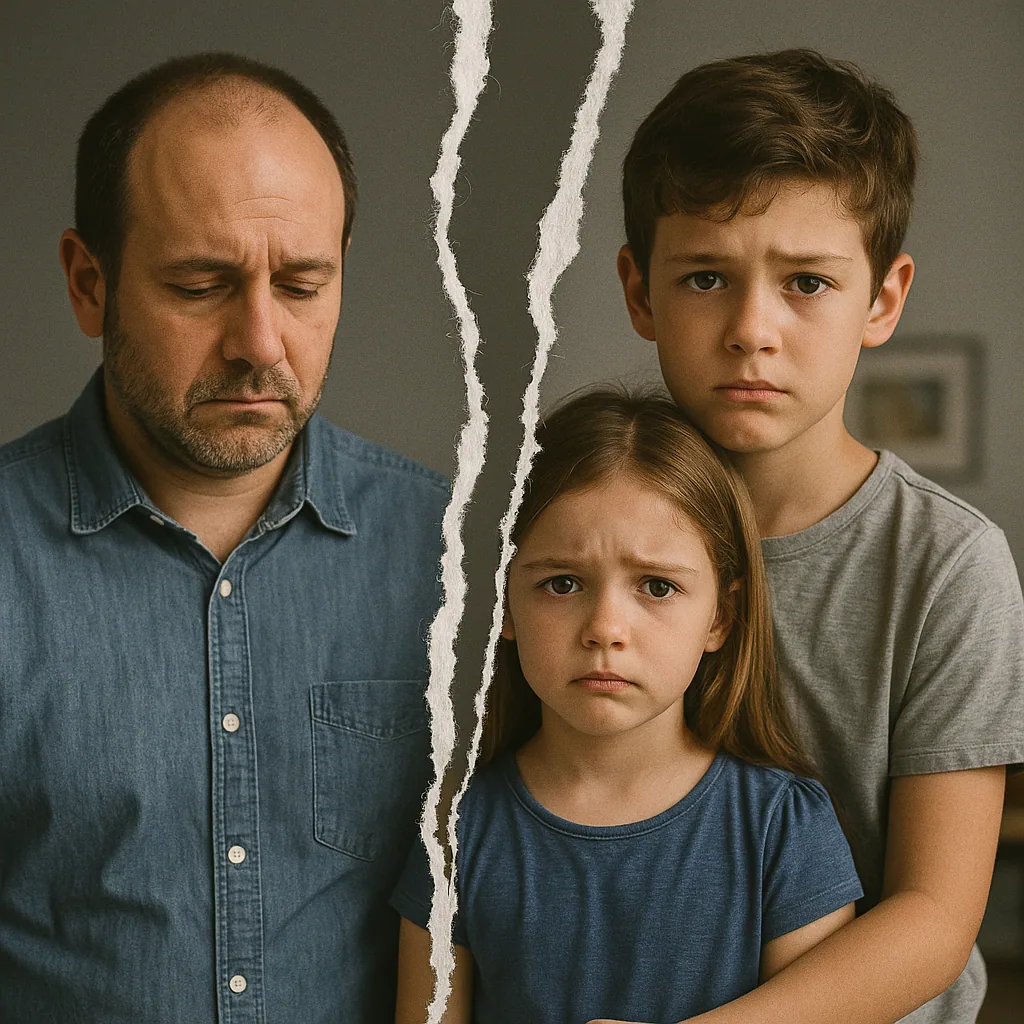
Adoption doesn’t always mean “forever.” Between 3% and 9% of adoptions in the UK break down, with children returning to care after placement fails.
[Source: National adoption disruption estimates, 2024]
Families often report minimal support after the adoption goes through — particularly when caring for children with complex trauma, attachment issues, or neurodivergence. The love is there. The tools are not.
This raises a haunting question: how many of these children might have stayed with their birth families if real support had been offered?
Is This Child Protection — or Administrative Cruelty?
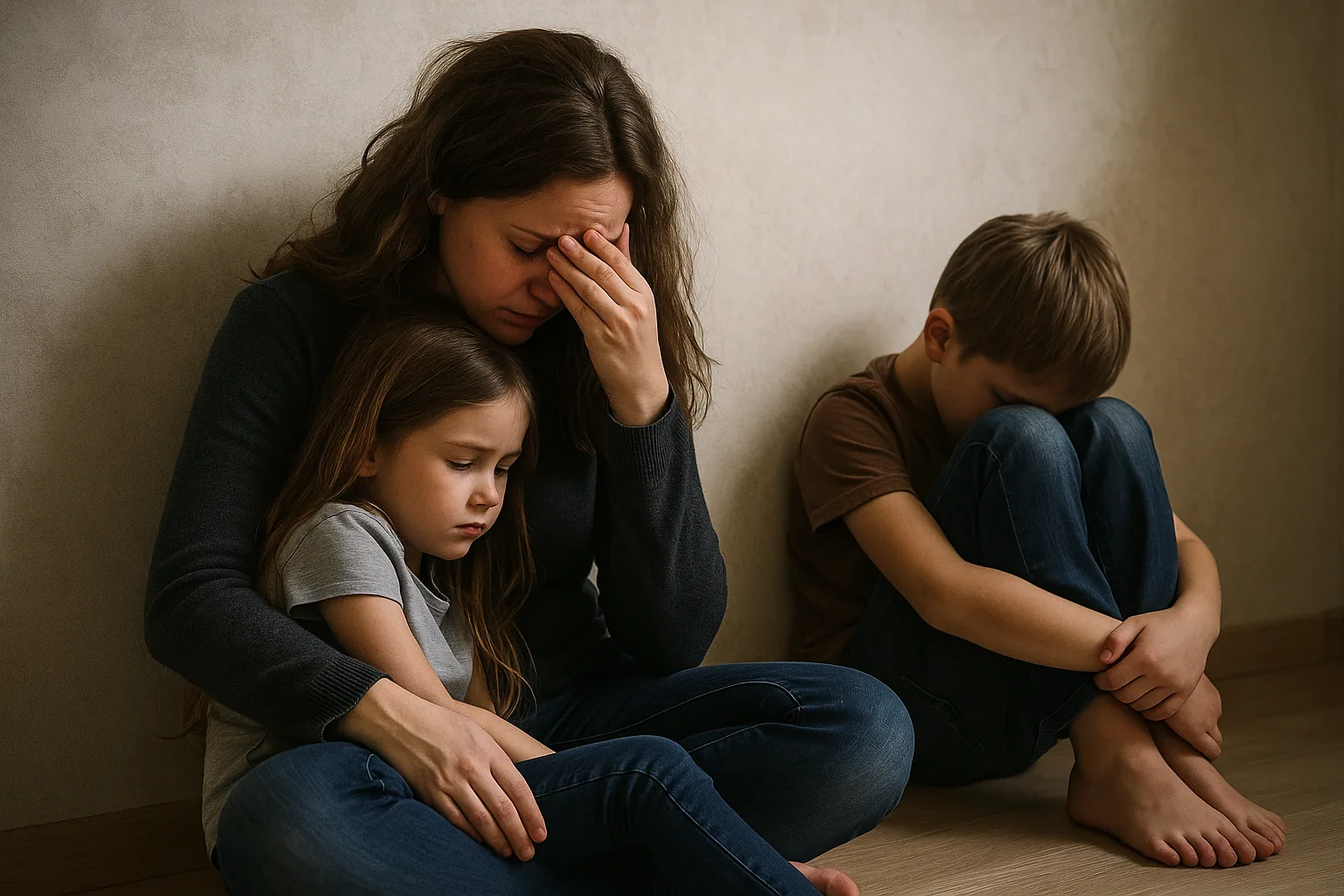
In recent years, a growing body of activists, social workers, and lived-experience parents have come forward to say what few dare to admit publicly:
The adoption system is broken. It punishes poverty. It mistakes pain for danger. And in many cases, it rips children from loving families because helping costs more than removing.
What Needs to Change — Now
- Stop forced adoption. Prioritise consent, except in proven cases of serious harm.
- Fund support, not separation. Offer real help before removal.
- Cap interagency fees. Remove the profit motive from children’s futures.
- Ensure transparency. Family courts must become less secretive and more accountable.
- Protect the right to family. Respect Article 8 of the Human Rights Act: the right to private and family life.
In 2025, this isn’t just about adoption. It’s about justice.
Because no child should be a business transaction.
And no parent should be punished for asking for help.
Sources:
- Children Looked After in England – DfE, 2024
- Family Court Statistics – MOJ, Q2 2024
- Home for Good – Adoption Waiting Data, 2024
- CoramBAAF Interagency Fee Guide 2024–25 (PDF)
- Jigsaw Adoption Costs
- MoneyHelper UK – Adoption Cost Breakdown