Compassion is Missing—And It’s Killing People
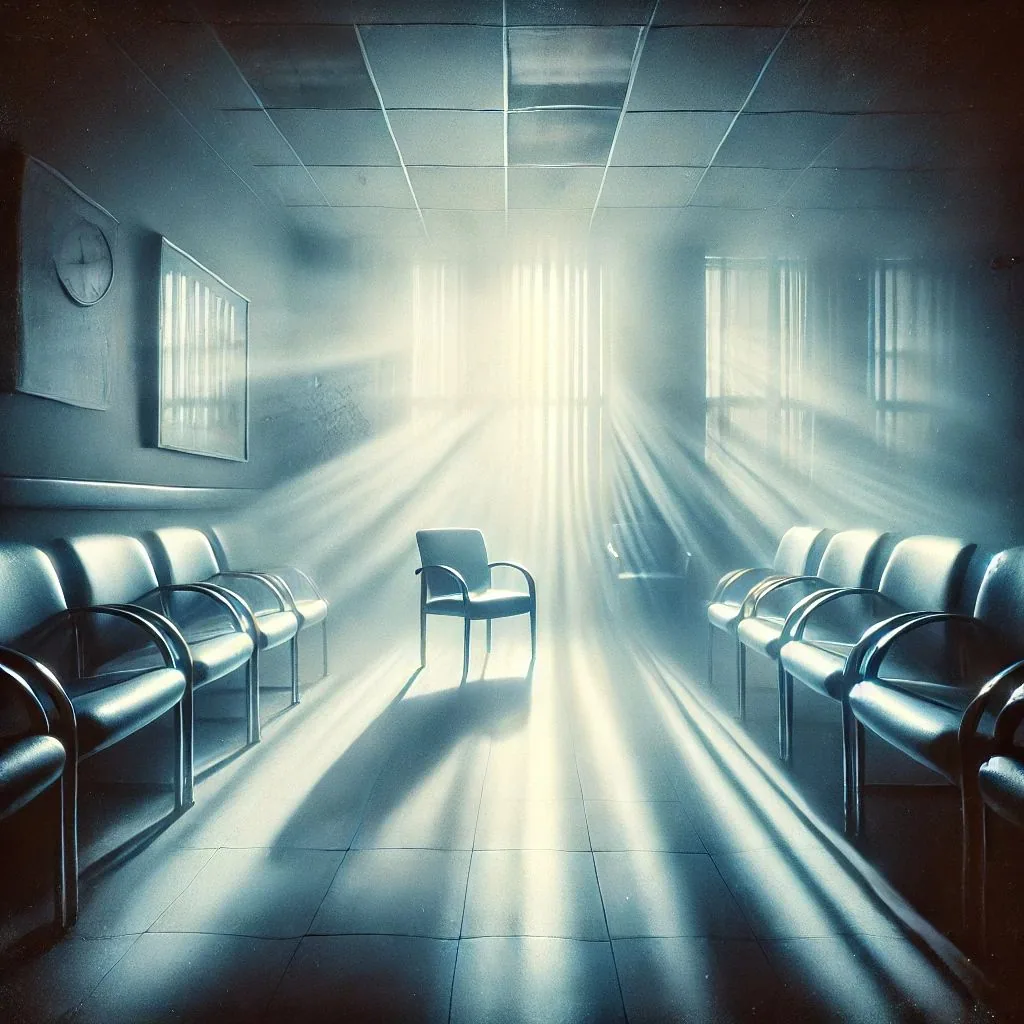
The NHS is stretched. We all know it. We hear it on the news, see it in the endless waiting lists, feel it in the frustration of every delayed appointment. But today, sitting in the quiet waiting room of the colonoscopy department, I saw what stretched really looks like—and it wasn’t just the system. It was a man at the end of his rope, pleading for help, and a staff member who had none left to give.
There weren’t many patients around, just the occasional shuffle of footsteps in the hallway. No receptionist at the desk—just department admin tucked away in their office, the ones people were sent to when they had a query. A man, no older than his mid-forties, approached them. He was calm. Friendly, even. But beneath that, I could hear it—the urgency, the worry, the weight of something he wasn’t saying out loud.
He was there for answers, caught between departments bouncing him back and forth. He had been for CT scans. He mentioned radiology. That alone was enough to suggest what he was facing. Cancer, or at the very least, the terrifying possibility of it.
The admin staff listened—begrudgingly. Their tone was clipped, slightly off, the way it gets when you’re interrupted too many times in a job you don’t really want to be doing. And then came the response.
“We’re really stretched right now. There’s a huge backlog. You should call back if you haven’t heard anything in three weeks or more.”
Three weeks.
The man hesitated. I could feel the weight of his silence before he finally spoke. “Oh God, I might not even be here then… and I’m being serious.”
And that was it. No shift in tone. No softening of expression. No recognition of the life-altering fear behind those words. Just cold, procedural dismissal.
It wasn’t just the system that had no space for him. It was the people within it.
I get it. Staff are overworked. Underpaid. Burnt out. But since when did that mean compassion had to go, too? Since when did a job in healthcare stop being about care? That man was facing something terrifying. He wasn’t asking for a miracle, just some reassurance that he wasn’t being lost in the cracks of an already broken system.
But instead, he walked away exactly as he came—worried, helpless, and now with the sinking feeling that no one really gives a damn.
And that’s what stayed with me. Not just the failure of the NHS, but the failure of basic human kindness. If the system is broken beyond repair, the least we can do is remind people they’re still seen. That their fear is valid. That their life matters.
Because what happens when even that is lost?