I Stored Myself in Sound
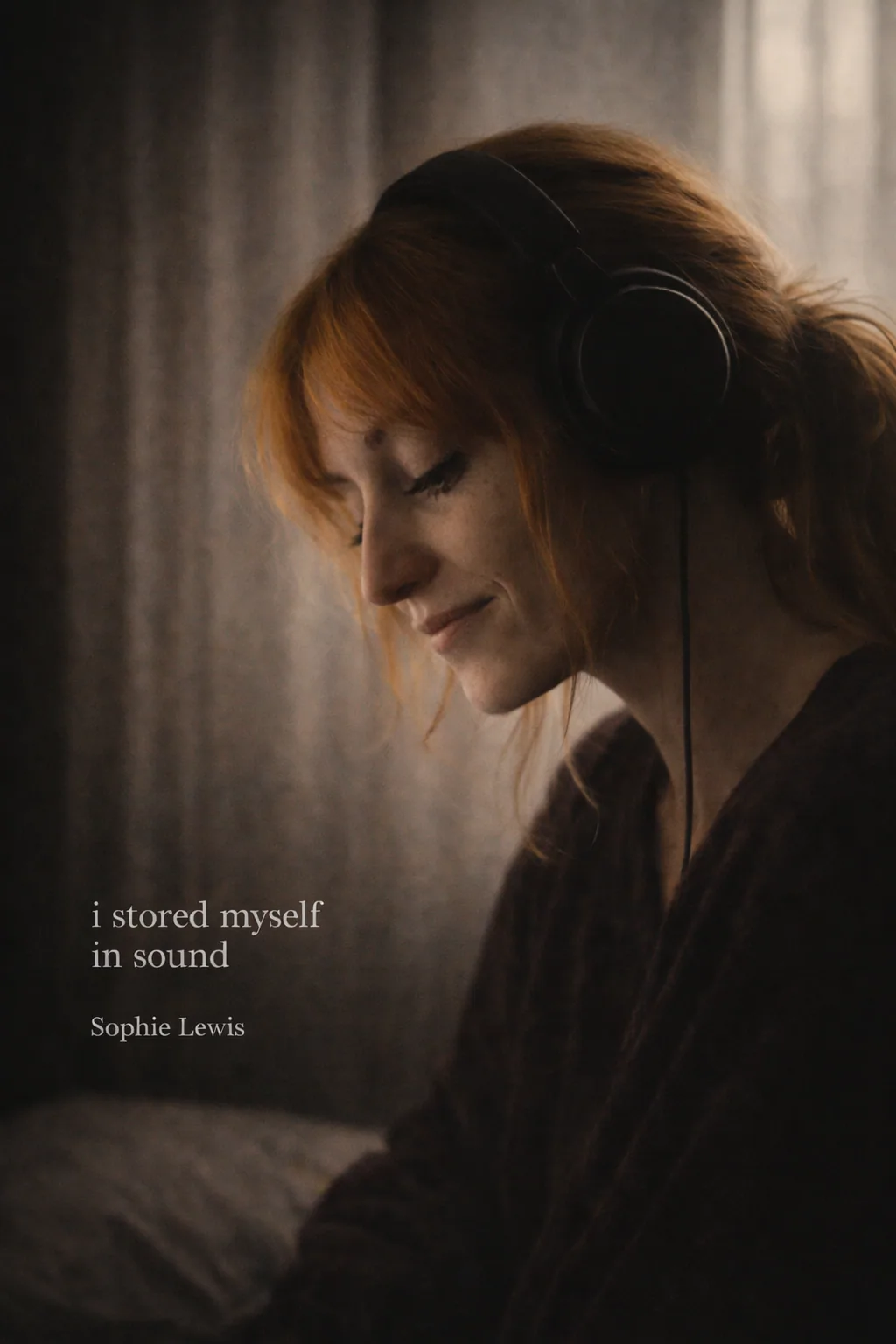
©️ Sophie Lewis
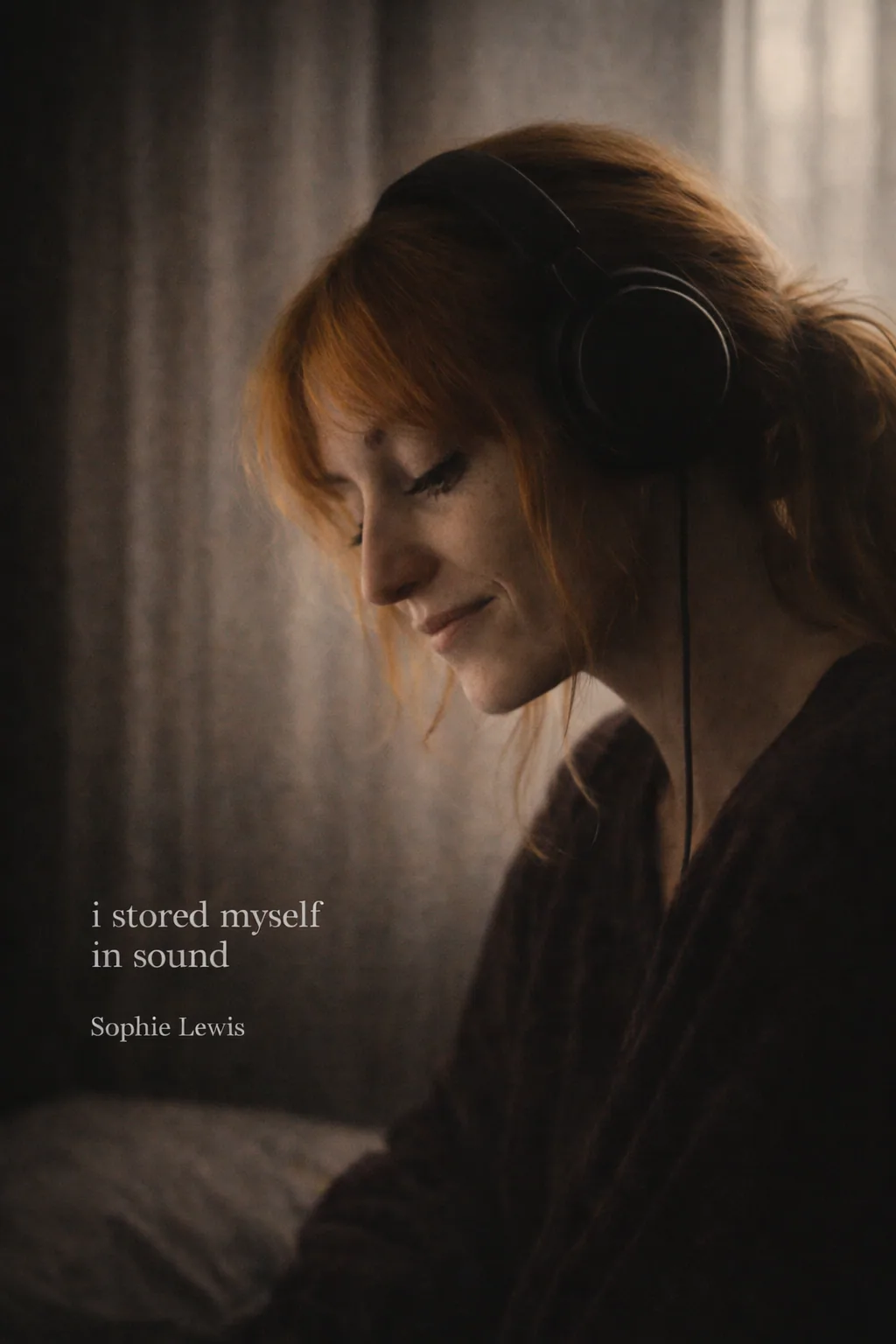
I don’t think music just “means something” to us.
I think it sticks.
It latches on.
It grows roots.
Some songs do not pass through your life like phases. They do not belong to a year, or a person, or a version of you that gets neatly replaced. They stay. They follow you. They age with you.
For a long time, I thought that was nostalgia. Or taste. Or just having a dramatic personality.
It is not.
Music becomes a container when you do not yet have language, safety, or permission to feel what is actually happening to you. Especially when you are young. Especially when you are adapting, shrinking, surviving.
You do not choose those songs because you like them.
You choose them because they can hold something you cannot.
And the strange thing is, they do not stay frozen.
A song you first heard as a child does not mean the same thing as a teenager. Or as an adult. Or now. The lyrics have not changed. The melody has not changed.
You have.
And somehow the song keeps up.
Something that once felt like noise, or anger, or comfort reveals another layer years later. A meaning you could not hear before because you did not yet have the context. Because your nervous system was still busy keeping you functional.
Music waits.
It does not rush you.
It does not demand insight.
It does not push healing narratives or closure.
It just stays there, quietly tracking you as you move through life.
That is why some songs feel like they have followed you your whole life. They have not. You have been returning to them at different altitudes. Each time, you hear yourself reflected back, not who you were, but who you are now, standing on top of everything that came before.
That is not coincidence.
That is pattern.
When you grow up compressed, shaped early, hyper aware of what is acceptable and what is not, you do not get the luxury of processing life in neat chapters. You store things wherever you can.
Some people store things in their bodies.
Some in habits.
Some in silence.
Some of us store ourselves in sound.
And here is the part that makes it complicated.
When you go back for what the music was holding, you are not just remembering who you were.
You are discovering who you could not be.
If you had to store your rage in a song at twelve, it is because anger was not safe.
If your grief lived in a chorus at fifteen, it is because sadness had consequences.
If your desire, your joy, your wildness had to hide in sound, it is because expressing those things in real life would have cost you something you could not afford to lose.
Safety.
Belonging.
Survival.
So the music did not just hold memories.
It held capacity.
It held parts of your emotional range you had to loan out so you could keep functioning. You could not be the angry one. The grieving one. The too much one. So you became the adaptable one. The quiet one. The capable one. The one who could handle it.
And the music became the place where the rest of you lived.
That is why some songs do not just make you cry.
They make you collapse.
Because you are not revisiting a memory.
You are reabsorbing a part of yourself you have been living without.
Anger you were never allowed to feel.
Grief you had to skip over.
Desire you learned to flatten.
Power you were taught to shrink.
The song hands it back, and suddenly you are not who you thought you were.
You are bigger.
Heavier.
More complete.
And also unfamiliar.
Because the self you built, the one that survived, was built around the absence of those things. Your identity formed in the gaps. You became someone who did not need anger. Who did not fall apart with grief. Who did not ask for too much.
And now the music is telling you that you can have this back.
But taking it back means changing shape.
It means becoming someone you do not fully recognise yet. Someone who might not fit the same rooms. Someone who might not be as easy, flexible, or convenient.
That is the real reason certain songs follow you your whole life.
They are not haunting you.
They are waiting.
Waiting until you are strong enough, safe enough, free enough to retrieve what you left there.
Music does not heal you.
It does not fix you.
It does not explain anything.
It keeps the record.
And when you are ready, really ready, it hands it back.
One song at a time.
One layer at a time.
One unbearable, liberating, shape shifting reunion at a time.
And when you finally hear it, properly hear it, you realise something quietly devastating.
The song was never about the past.
It was always about who you were going to become once you were ready to hold all of yourself again.