The Hidden Economy of Prisons: Who Profits from Mass Incarceration?
The Business of Keeping People Behind Bars
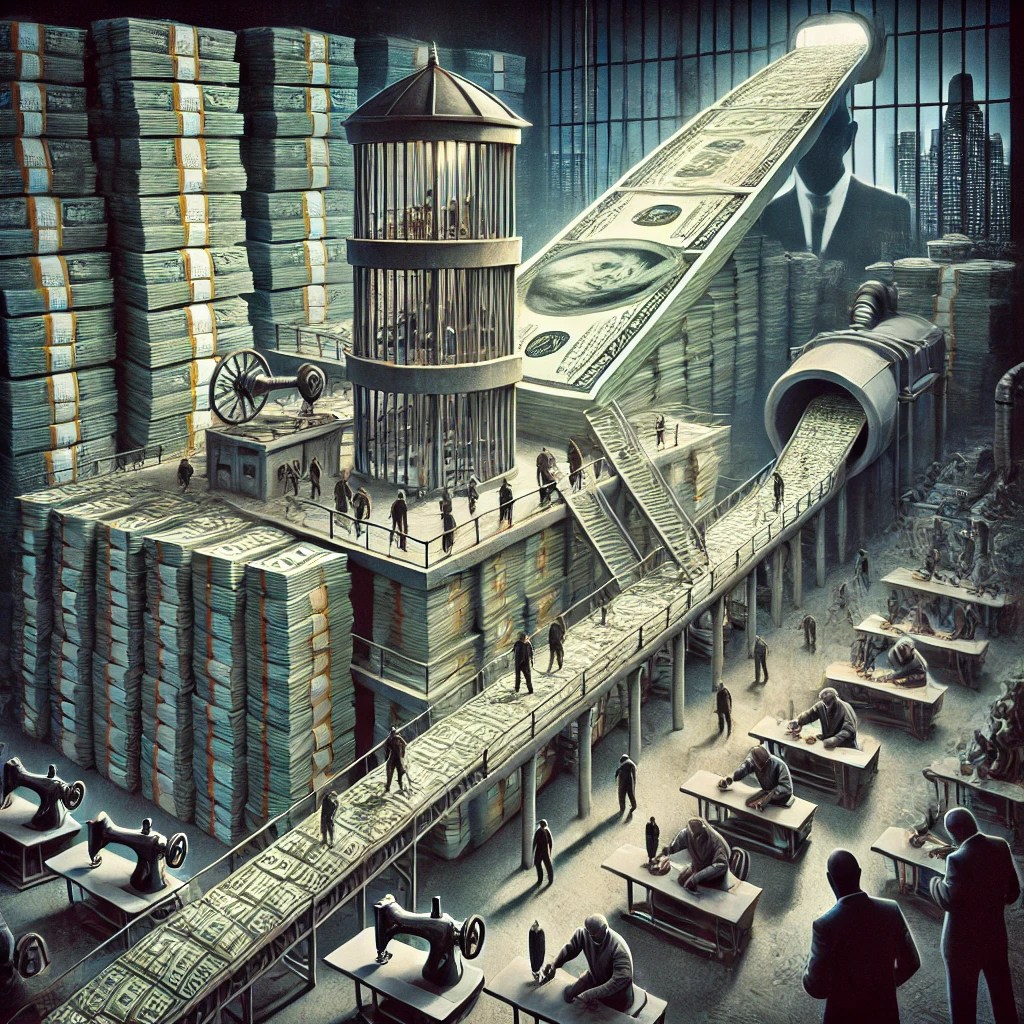
Prisons are not just holding facilities for criminals. They are billion-pound industries, designed for profit, not rehabilitation. Behind every overcrowded cell block, every riot, and every repeat offender, there’s a network of corporations, government contracts, and financial systems that thrive on keeping people locked up.
The prison-industrial complex isn’t just an American problem—it’s alive and well in the UK, too. From private prison contractors like Serco and G4S to the corporations that use prison labour for cheap production, this is an economy built on human suffering.
The question isn’t just who goes to prison? It’s who profits when they stay there?
The Private Prison Industry: Selling Incarceration for Profit
In the UK and the US, private companies run prisons like businesses—because that’s exactly what they are.
- Serco, G4S, and Sodexo are the biggest players in the UK’s private prison sector, raking in millions in government contracts.
- The more inmates they house, the more funding they receive—creating an incentive to increase incarceration rates rather than lower them.
- HMP Birmingham (run by G4S) was so dangerously mismanaged that the government had to take it back in 2018.
- HMP Doncaster (run by Serco) was called out for “inhumane conditions”—but Serco still runs other UK prisons with little oversight.
Private prisons cut costs at every opportunity—less staff, fewer rehabilitation programmes, and deteriorating conditions. Why? Because rehabilitation isn’t profitable—repeat offenders are.
The Revolving Door: Why Prisons are Built to Keep People Inside
Governments claim they want to reduce crime, yet their policies ensure people keep coming back.
- The UK has a 48% reoffending rate within a year—higher than most European countries.
- Ex-prisoners struggle to find employment, as over 60% of UK employers admit to rejecting applicants with criminal records.
- Many inmates leave prison homeless, making it almost inevitable they’ll be rearrested.
- Probation conditions set people up to fail—with strict curfews, unrealistic requirements, and zero support.
Prisons don’t reduce crime. They trap people in a cycle of incarceration, making sure they never escape the system.
The Media’s Role: Selling the Prison Narrative
Public perception is carefully controlled to keep people supporting mass incarceration.
- Headlines focus on the most extreme cases—violent criminals, serial offenders—while ignoring those jailed for petty offences.
- The media pushes the “soft on crime” fear tactic—convincing the public that reducing incarceration means lawlessness.
- Stories about corrupt private prisons, wrongful convictions, and rehabilitation failures are buried or downplayed.
Why? Because fear sells prisons. The more people demand harsher sentences, tougher laws, and expanded facilities, the more money the system makes.
The Underground Economy of Prisons: Drugs, Debt, and Forced Labour
While prisons claim to control crime, inside their walls is one of the most lucrative underground economies in existence.
- Drugs are everywhere—flooding in through corrupt guards, drones, and visitor smuggling.
- Inmates build up massive debts—owing money for protection, drugs, or gambling, leading to violence and control by prison gangs.
- Prison labour is essentially modern slavery—inmates in the UK are paid as little as £1 per hour to work for companies like DHL, Virgin Atlantic, and Timpson.
Even inside prison, money is being made off inmates in every possible way.
Why Real Prison Reform Will Never Happen
The UK government pretends to care about fixing prisons, but every proposed reform is blocked, watered down, or ignored.
- Private prison companies lobby against rehabilitation programmes—because rehabilitated prisoners don’t generate revenue.
- The probation system is underfunded and ineffective—because keeping people in prison is easier than supporting them outside.
- The media fuels tough-on-crime policies, which lead to longer sentences and more funding for private contractors.
- The economy relies on prison labour—big corporations don’t want to lose their cheap workforce.
The system isn’t broken. It’s working exactly as intended.
The System Profits, People Suffer
Prisons aren’t just about justice. They’re about control, profit, and maintaining a system that thrives on suffering.
- Every prisoner is worth thousands of pounds per year to private contractors.
- Every repeat offender keeps the cycle alive.
- Every tough-on-crime policy fuels the demand for more prisons.
Real reform won’t happen until we expose the entire machine behind mass incarceration.