The War on Drugs
A War on Consciousness, Control, and the Global Underworld
The War on Drugs Was Never About Drugs
For over 50 years, we’ve been sold the same lie: that the War on Drugs was meant to protect society from addiction, crime, and chaos. In reality, it was never about drugs—it was about controlling human perception, weaponising addiction, and maintaining global power structures.
From Nixon’s crackdown on psychedelics to the CIA’s cocaine trade, from Big Pharma’s opioid empire to the underground drug factories connected to world governments, every phase of the drug war has served one purpose: control.
The question isn’t whether the war on drugs has failed. The real question is: who was it designed to benefit?
The 1970s: Nixon, Psychedelics & The War on Human Consciousness
When Richard Nixon declared drugs “Public Enemy No. 1” in 1971, he wasn’t worried about addiction—he was worried about control.
The Real Reason for Nixon’s War on Drugs:
- Psychedelics (LSD, psilocybin, mescaline) were rapidly spreading in the 1960s counterculture movement.
- People were rejecting materialism, questioning authority, and expanding their consciousness.
- Nixon’s administration knew that psychedelics weren’t making people violent—they were making them uncontrollable.
- In a later interview, Nixon’s adviser John Ehrlichman admitted: “We knew we couldn’t make it illegal to be against the war or Black, but by getting the public to associate hippies with marijuana and Blacks with heroin, and then criminalising both heavily, we could disrupt those communities.”
The real threat wasn’t drugs—it was mass awakening.
Thus began the Controlled Substances Act of 1971, which: ✔ Made psychedelics illegal overnight (Schedule I: “no medical use”) despite their historical use in medicine and spirituality. ✔ Created the prison-industrial complex, with mass arrests disproportionately targeting Black and activist communities. ✔ Laid the foundation for future drug policies—not based on health, but on state control.
The 1980s: The Real Drug Pushers—The CIA & Big Pharma
While Reagan’s administration doubled down on drug criminalisation, two parallel crises were happening:
1. The CIA Was Caught Running the Cocaine Trade ✔ Iran-Contra Affair (1980s): The CIA secretly funded Nicaraguan rebels by trafficking cocaine into the US. ✔ Gary Webb’s “Dark Alliance” Exposé: The journalist exposed how the US government allowed crack cocaine to flood Black communities, leading to mass incarceration. ✔ The government wasn’t fighting drugs—it was profiting from them.
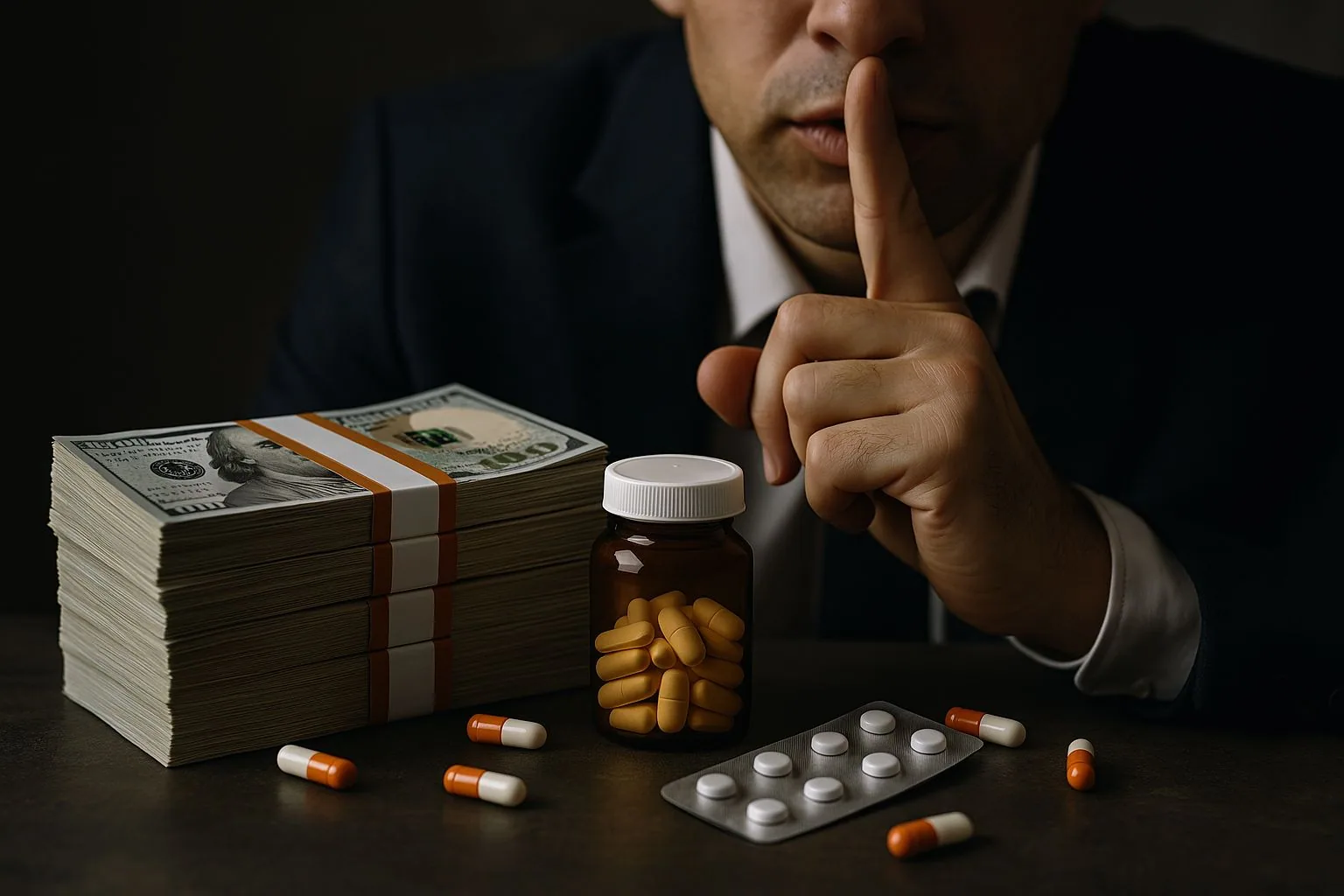
2. The Rise of Big Pharma & The Opioid Blueprint ✔ While the government cracked down on illegal drugs, corporations were pushing addictive legal ones. ✔ Purdue Pharma (makers of OxyContin) created the opioid epidemic, falsely claiming opioids weren’t addictive. ✔ By the 2000s, opioids killed more Americans than heroin ever had—yet pharma executives walked free.
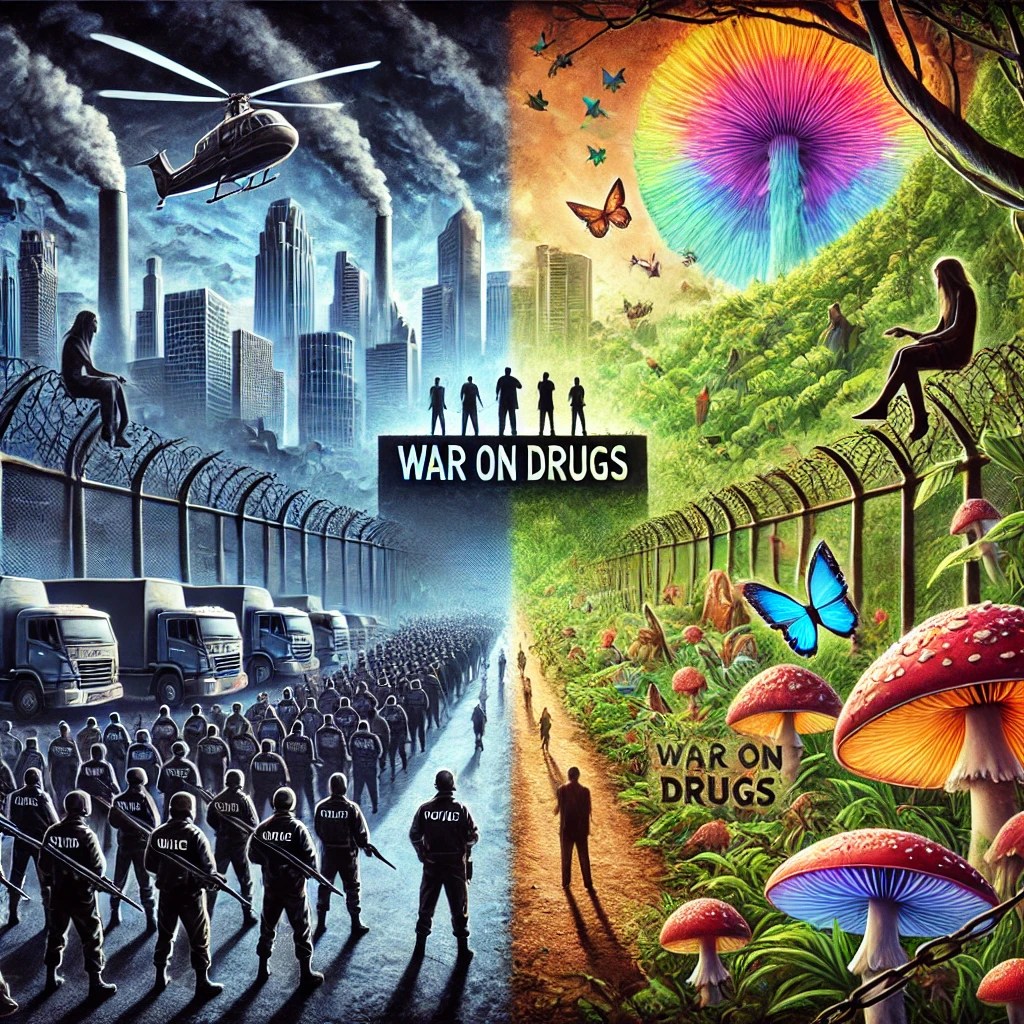
They demonised plant-based drugs like cannabis & mushrooms while pushing synthetic, addictive alternatives.
The 1990s-2000s: The Global Drug Trade & Government’s Silent Hand
By the 90s, the War on Drugs had expanded far beyond the US—because controlling drugs meant controlling global economies and crime networks.
Governments and the Underground Drug Trade: ✔ The US invaded Afghanistan in 2001—poppy production skyrocketed. ✔ Mexican drug cartels flourished under money laundering schemes linked to Western banks (HSBC, Wachovia). ✔ Cocaine production surged in Colombia, but crackdowns only targeted small-time dealers, never the real suppliers. ✔ Prisons became a billion-pound business, with private prison companies like CoreCivic and GEO Group profiting off mass incarceration.
The War on Drugs wasn’t ending drug crime—it was regulating who was allowed to profit.
Today: A Shift from Criminalisation to Corporate Takeover
Now, governments are legalising cannabis and reintroducing psychedelics—but on their terms. The same substances that once got people imprisoned are now being monetised by pharmaceutical giants and corporate investors.
✔ Weed was criminalised for decades—now corporations control the industry, pricing out those who went to prison for it. ✔ Psychedelics (psilocybin, MDMA) are being “approved”—but only for medical use under corporate-backed treatment plans. ✔ Opioid makers like Purdue Pharma made billions creating addiction—then rebranded as addiction treatment providers.
The War on Drugs is shifting from criminalisation to monopolisation.
The same governments that once banned psychedelics are now bringing them back—but only in ways that keep Big Pharma in control.
Underground Drug Factories, The Mob, & Controlled Chaos
Governments don’t want to end the drug trade—they want to regulate and benefit from it.
Who Really Runs the Drug Trade? ✔ The CIA’s known ties to cocaine trafficking prove state intelligence is involved. ✔ Mexican and Colombian drug cartels operate under the watch of global intelligence agencies. ✔ The US “War on Terror” coincided with a heroin boom in Afghanistan. ✔ Big Pharma pushes addictive substances legally, while underground labs flood synthetic drugs into streets worldwide.
The “war” on drugs is fake—because the biggest drug dealers wear suits, not ski masks.
The Real War Is On Perception
This isn’t just about crime, addiction, or policy. It’s about who controls human consciousness.
✔ Mind-expanding drugs (psychedelics) were banned—because they made people question reality. ✔ Mind-destroying drugs (opioids, synthetic substances) were pushed—because they created dependency and control. ✔ Cartels and underground markets exist—but they’re only crushed when they no longer serve the system’s interests. ✔ Now, psychedelics are coming back—but only under corporate control, ensuring people don’t use them freely.
The War on Drugs was never about stopping drugs—it was about managing who gets access to power, knowledge, and liberation.
The real question isn’t “Will the drug war end?”—it’s “Who will control the next phase?”