Britain’s Legacy of Biological Experimentation: From Anthrax Island to Today’s Shadow Games
By Sophie Lewis | @sophielewiseditorial
The Island That Never Stopped Killing: Gruinard and Anthrax Island
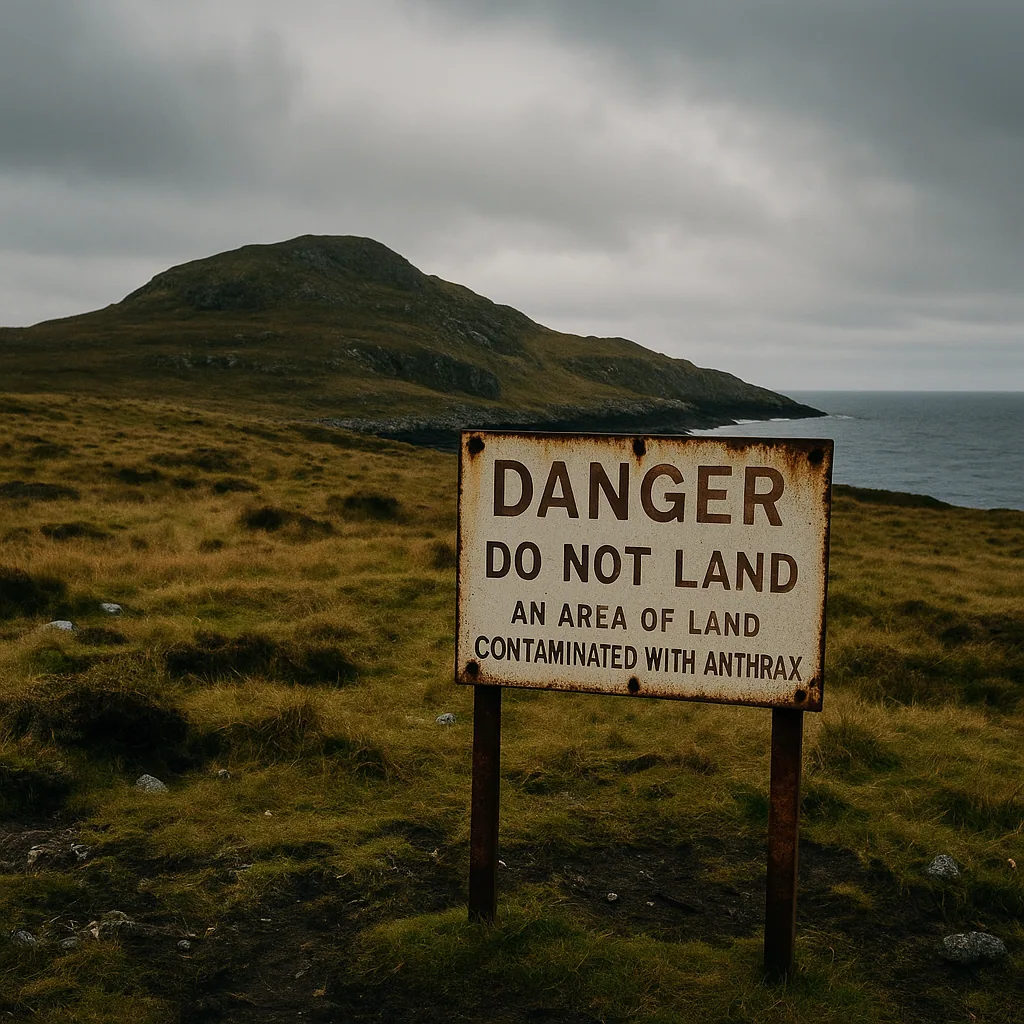
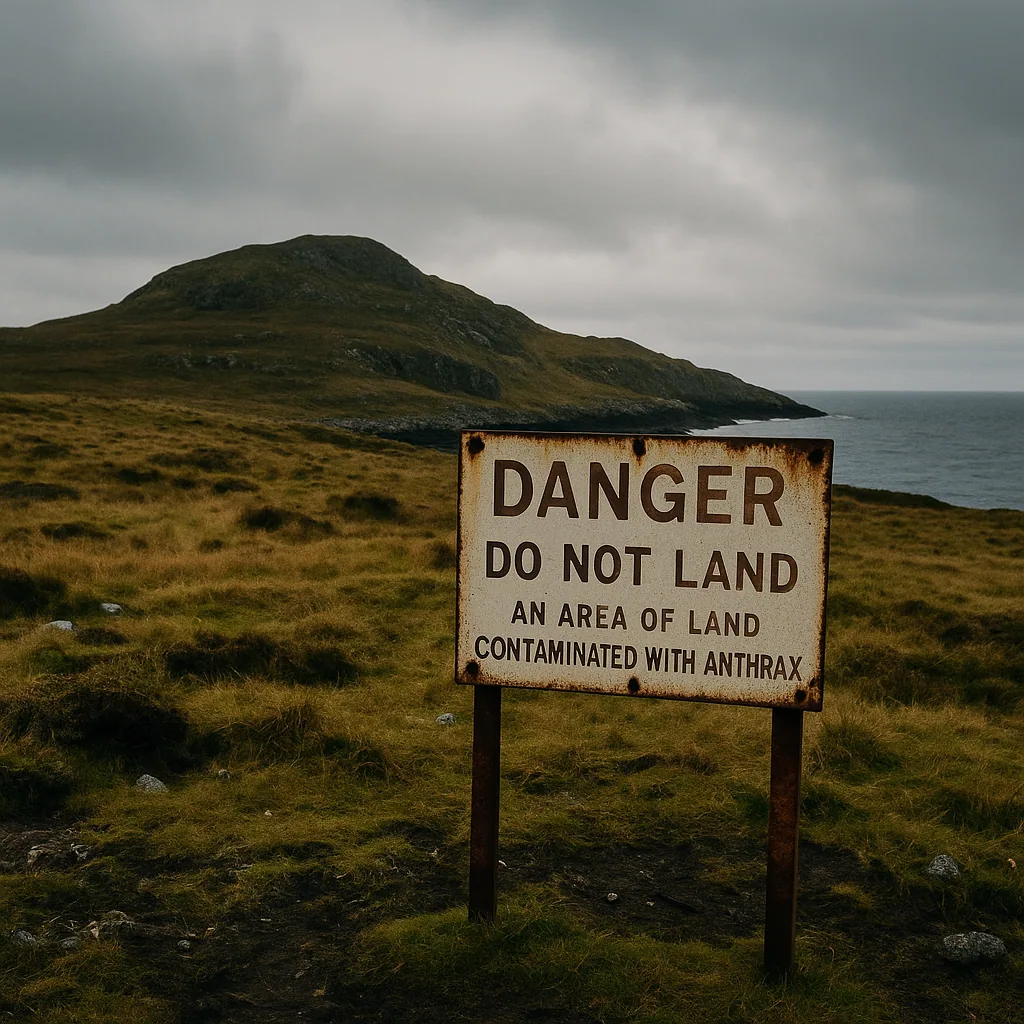
Gruinard Island isn’t just a footnote in British military history—it’s a testament to how far the state will go when no one’s watching. In 1942, scientists from Porton Down were dispatched to this remote Scottish island to conduct a grim experiment: to test anthrax as a biological weapon.
The strain they used, known as Vollum 14578, was chosen for its ferocity. Bombs packed with anthrax spores were detonated, releasing clouds of death onto sheep grazing on the island. Within days, the animals were dead, their bodies riddled with the bacteria’s lethal spores. The experiment was a success—if you measure success by how quickly life can be snuffed out.
But the cost was permanent. Anthrax spores can survive in soil for decades, and that’s exactly what happened. Gruinard became so contaminated that the government slapped a quarantine on it. No one could land there without permission. Signs warned of the deadly hazard. For fifty years, it was a silent, infected monument to Britain’s biological warfare ambitions.
Locals living near Gruinard were never told the full truth. Rumours spread, but official statements downplayed the danger. They said the tests were necessary, that everything was contained. But anthrax doesn’t stay in neat little boxes—it seeps into the land, into the water, into the air.
The island’s eventual “decontamination” in the 1980s was a political move, driven more by embarrassment than genuine concern. Using massive quantities of formaldehyde and seawater, the government claimed it had finally made the island safe in 1990. But can you ever really bleach away something like anthrax? Even now, Gruinard is avoided, a place of whispered warnings and the weight of a truth the government would rather you forget.
Operation Cauldron: Collateral Damage at Sea
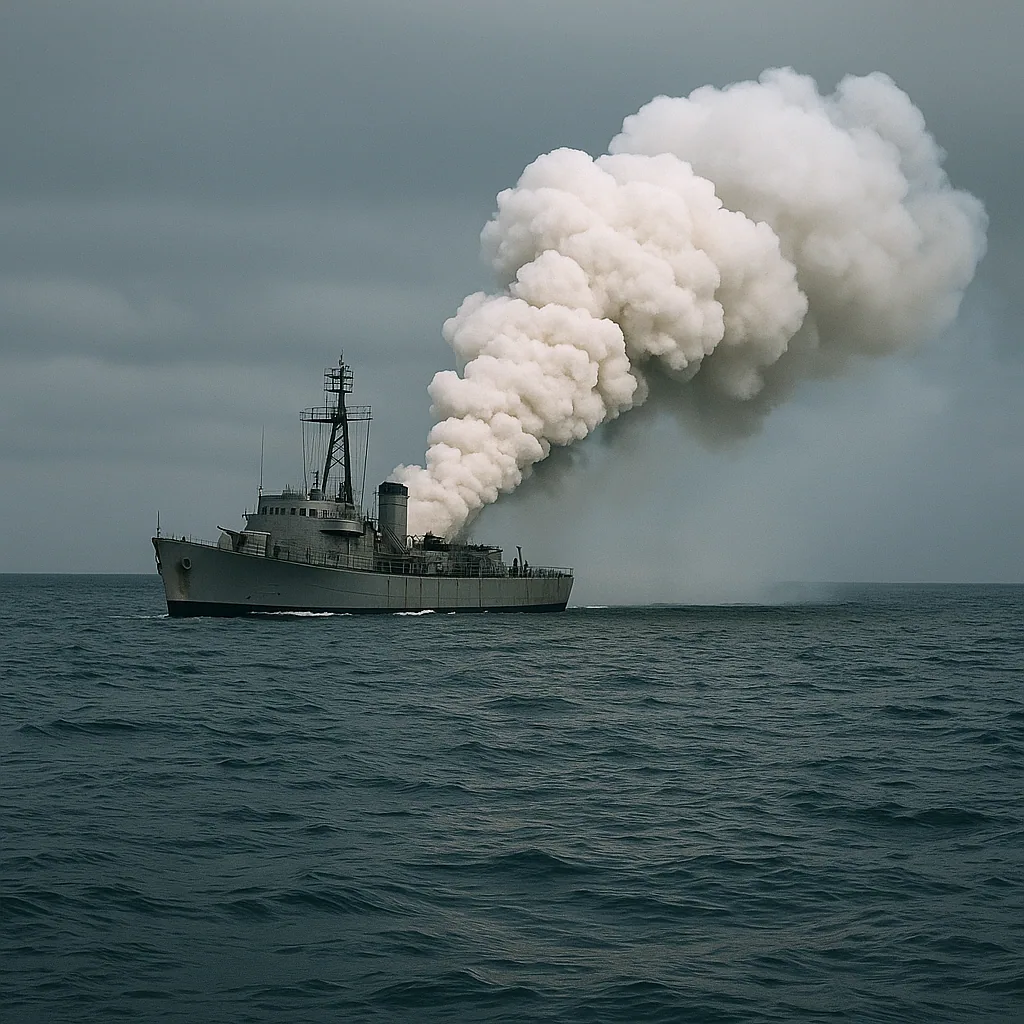
While Gruinard was sealed off, the British state’s biological ambitions drifted out to sea. In 1952, they launched Operation Cauldron, a series of tests to see how diseases could be spread over open water. Plague bacteria, brucellosis, and other pathogens were released from naval vessels off the coast of the Isle of Lewis.
The goal? To find out how these diseases could infect real people—how they moved in the wind, how they clung to ships and men. This was no sterile lab experiment. It was a test on the edge of real-world consequences.
One fishing trawler, the Carella, sailed into this silent war zone. The crew had no idea they were sailing through a cloud of deadly bacteria. They were just men trying to earn a living from the sea—men who would never be told they’d been used as human test subjects.
The government’s reaction was chilling. Rather than warn the crew, rather than decontaminate the ship or help the men, officials kept the incident secret. Their safety was less important than protecting the project’s secrecy.
What happened to those fishermen? Did they get sick? Did they die? We may never know. Their names are buried under decades of redaction and silence. What we do know is this: in the race for biological weapons, even civilians were seen as expendable.
Porton Down: The Shadow Lab of Chemical and Biological Horror
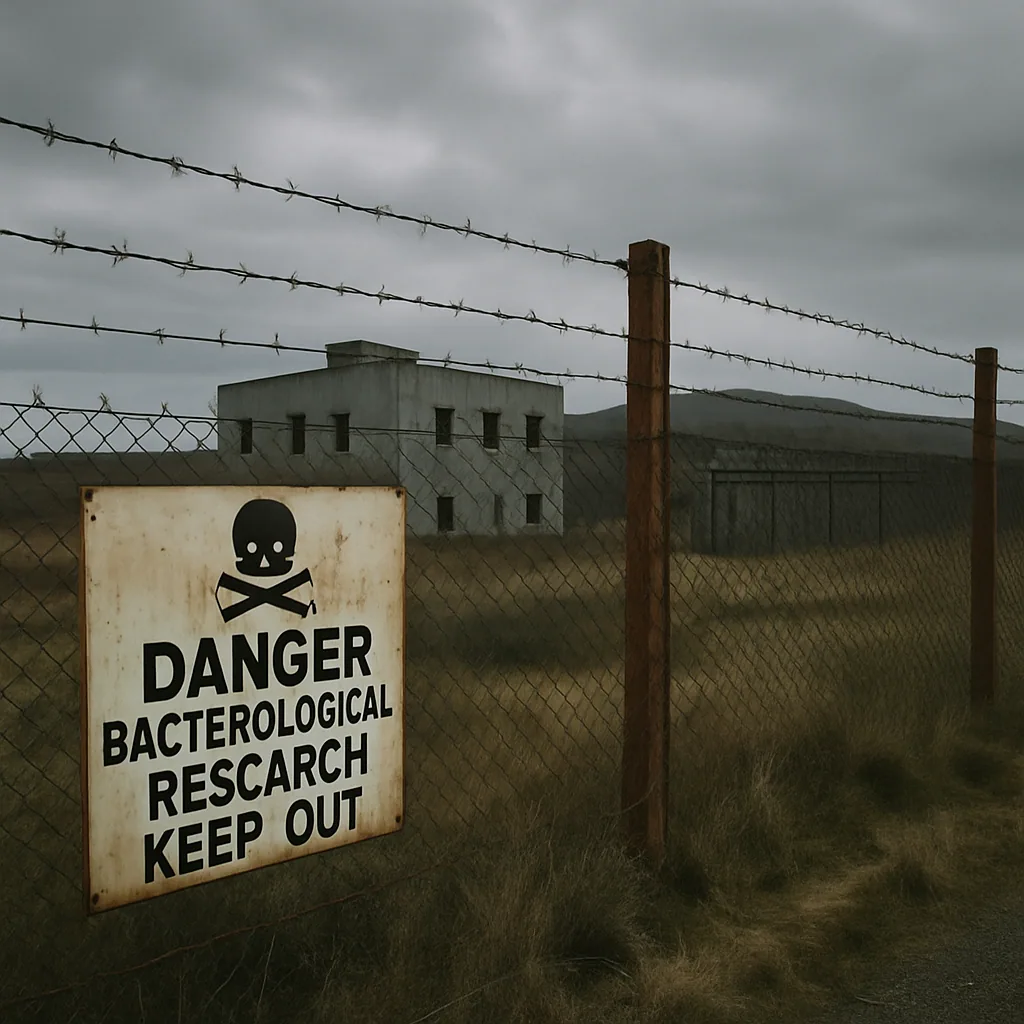
Gruinard and Cauldron were just the visible tip of the iceberg. Porton Down, hidden in the quiet fields of Wiltshire, was the beating heart of Britain’s chemical and biological weapons research.
For decades, Porton Down was the site of experiments that would be criminal if they hadn’t been protected by the label “national security.” Soldiers—young men, often barely out of boyhood—were recruited with promises of “harmless tests.” Instead, they were exposed to some of the deadliest agents known to man: sarin, VX, LSD, mustard gas, and biological agents like anthrax.
Some of these tests were designed to see how much of a deadly agent it would take to kill. Others were about finding ways to treat soldiers exposed on the battlefield—if the state ever decided to use these weapons. But in every case, the test subjects were treated like tools, not people. Consent was a word that meant nothing behind those barbed-wire fences.
Many of these men never fully recovered. Some died in the tests themselves. Others came home with lifelong health problems: lung disease, nerve damage, mental trauma. Their bodies were the battlegrounds for a war they never signed up for.
The 1990s saw the launch of Operation Antler, a police investigation that confirmed what many had long suspected: that Britain’s own soldiers were sacrificed on the altar of secrecy and ambition. But no one was ever held accountable. The state protected itself. The men were left to fight for recognition in the courts, scraping for compensation while the files stayed locked away.
Dorset’s Forgotten Victims: The Open-Air Tests
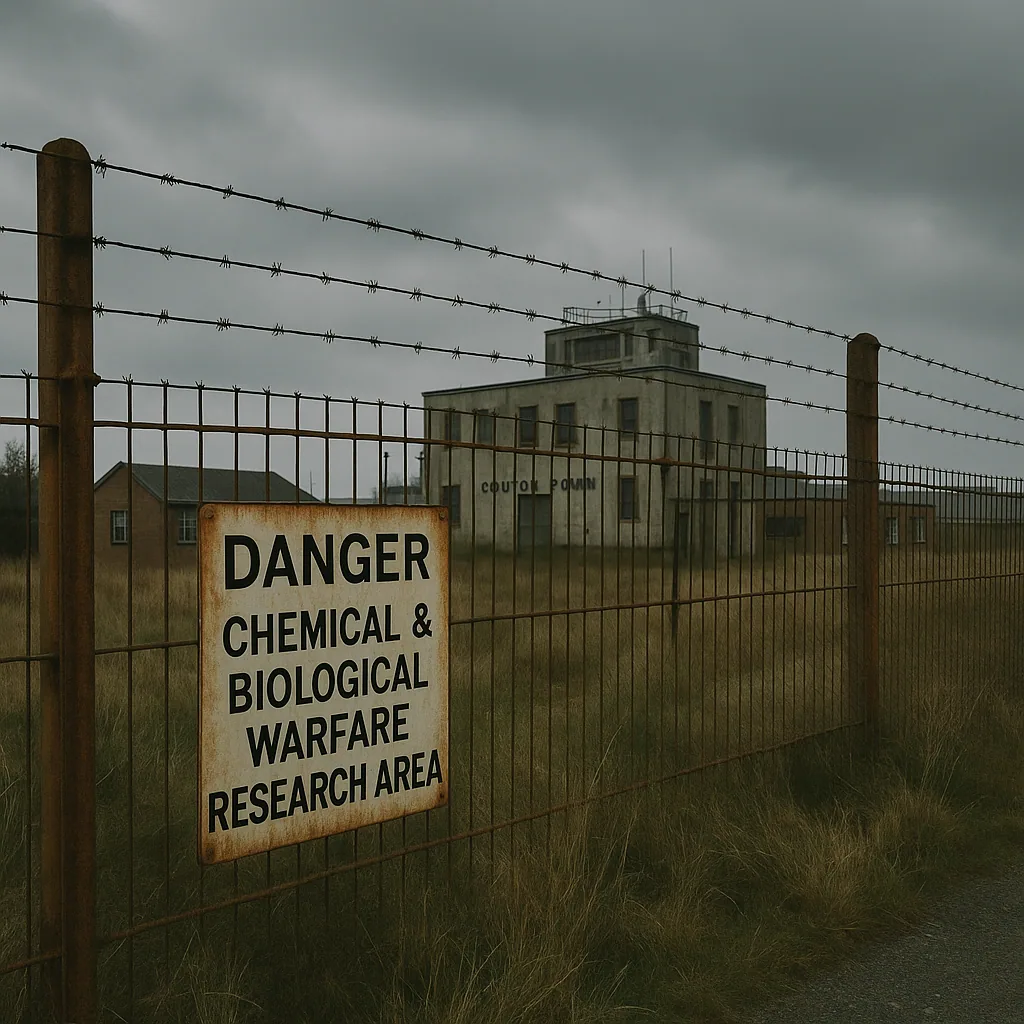
The experiments didn’t stop with soldiers and sheep. From the 1950s to the 1970s, the British government turned its eye on the people of Dorset.
The Dorset Biological Warfare Experiments were designed to see how bacteria would spread in real communities. Lorries and planes sprayed clouds of Bacillus subtilis (then known as Bacillus globigii) over towns like Lyme Regis and East Lulworth. The government called it a “harmless simulant,” but even now, studies suggest it can cause infections in vulnerable people—children, the elderly, and anyone with breathing problems.
Imagine living in one of those towns, stepping outside to breathe in the morning air, not knowing it was laced with bacteria by your own government. No warnings. No consent. Just another experiment to measure how far a germ cloud might travel.
For decades, no one admitted what had happened. The residents of Dorset were left with the uneasy sense that something wasn’t right, but no answers. The truth only emerged years later, in dusty archives and declassified reports that read like horror stories.
Dark Harvest Commando: The Resistance That Forced the State to Act
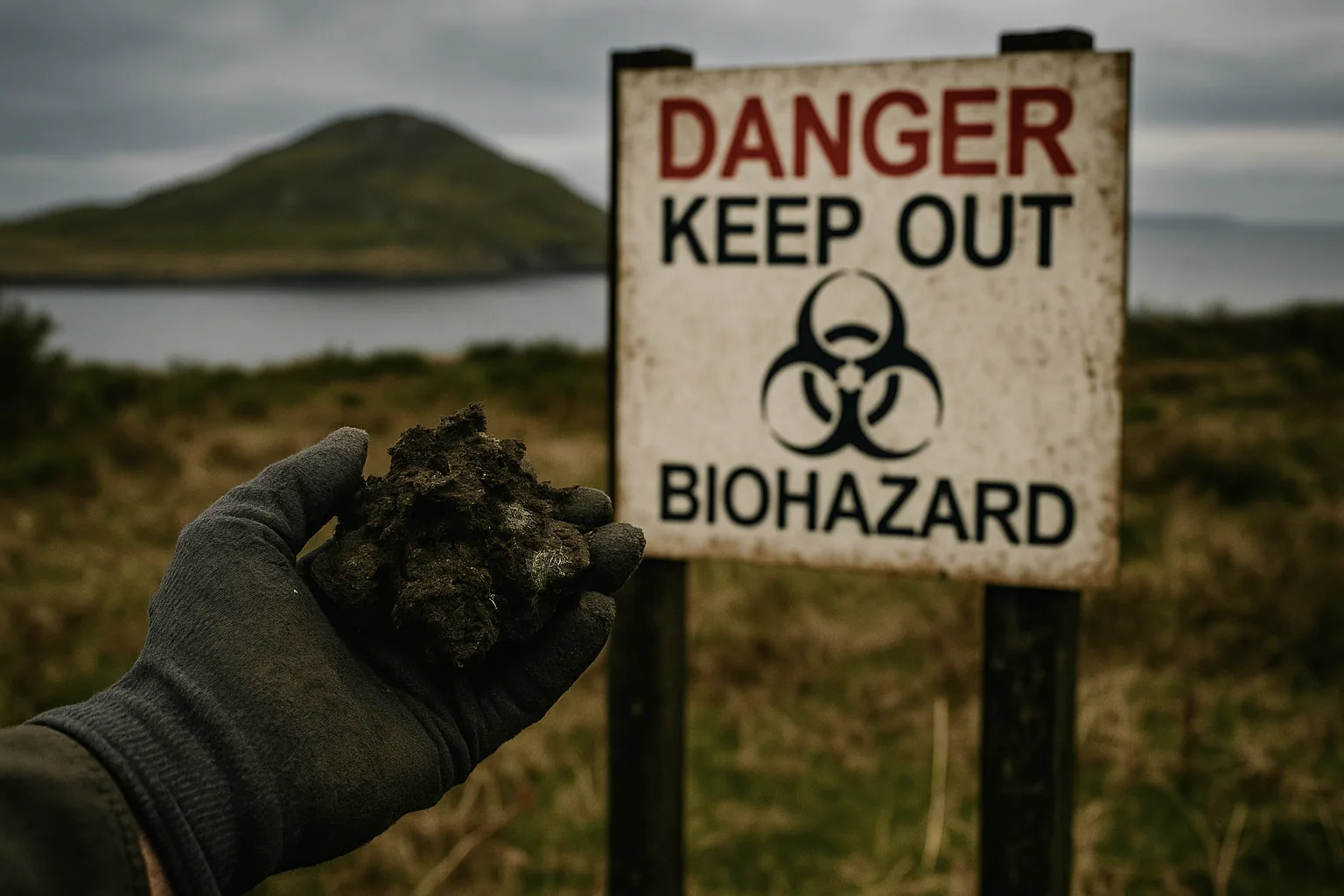
By the early 1980s, the weight of these secrets had become too much for some to bear. In 1981, an activist group calling themselves the Dark Harvest Commando decided to act. They rowed out to Gruinard Island under the cover of darkness, digging up soil still poisoned with anthrax spores. They took that soil and dumped it outside Porton Down and the offices of the government—an act of guerrilla resistance, a message written in the dirt of a poisoned island.
The government was forced to respond. Under pressure and public embarrassment, they finally launched a full decontamination program in the late 1980s. Gruinard was scrubbed with chemicals and declared safe in 1990. But the soil and the memories still hold the stain of what was done there.
The Dark Harvest Commando’s actions are a testament to the power of ordinary people refusing to stay silent. They forced the state to face the legacy it had buried, to clean up a mess it had pretended didn’t exist.
Then and Now: What’s Really Changed?
Porton Down is still there. Gruinard Island is still there. The files, for the most part, are still redacted. The state says it’s all defensive now—that the days of offensive bioweapons research ended in the 1950s. But history makes that hard to believe.
We know Porton Down worked on COVID-19 testing and vaccines. We know it’s one of the UK’s most secure labs, handling some of the deadliest pathogens known to man. But where’s the oversight? Who’s making sure that “defensive” research doesn’t become something else?
The truth is, the line between defence and offence has always been paper-thin. And the state has never been in a rush to come clean.
The Pandemic Age: Biolabs, Vaccines, and Public Distrust
COVID-19 showed the world how quickly a virus can change everything. It also raised old questions in new ways:
- Where do these viruses really come from?
- What happens behind closed doors in labs like Porton Down or the Wuhan Institute of Virology?
- Who decides what risks are “acceptable” in the name of security?
The vaccines—hailed as our way out of lockdowns—came with their own share of controversy. Reports of blood clots, myocarditis in young men, and strange patterns of excess deaths and cancers that no one seems in a hurry to explain. And let’s not forget: none of the pharmaceutical giants involved will accept full liability. If history teaches us anything, it’s that the state and the corporations will always put themselves first.
The same mindset that dropped anthrax on Gruinard and told Dorset residents the bacteria was “harmless” still shapes how these stories are told today. The same refusal to investigate fully, to let the truth breathe, is still the default. And the same people who want you to trust them now are the ones who kept the secrets then.
The Real Legacy: Secrecy and State Control
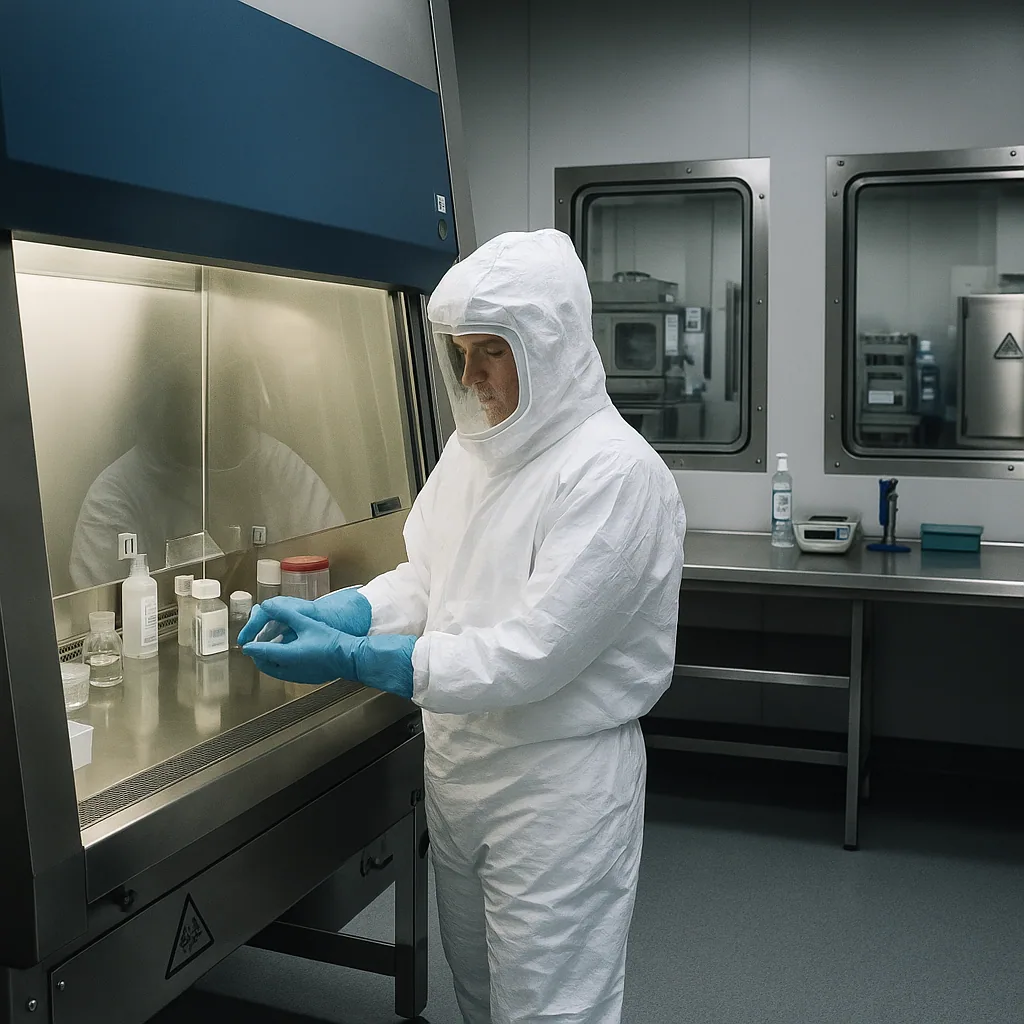
This isn’t about the past. It’s about the pattern. From Gruinard to Dorset, from Porton Down to pandemic lockdowns, the same story repeats: the state will sacrifice the few to protect the many, and then lie about it when they’re caught.
They say the files are redacted for your safety. But whose safety, really? They say Porton Down is working for you. But whose interests are they really serving?
Gruinard Island, once a no-go zone for anthrax, stands as a monument to the truth they’d rather you forget: that power, once it gets a taste for secrecy and control, never fully lets go.
So What Now?
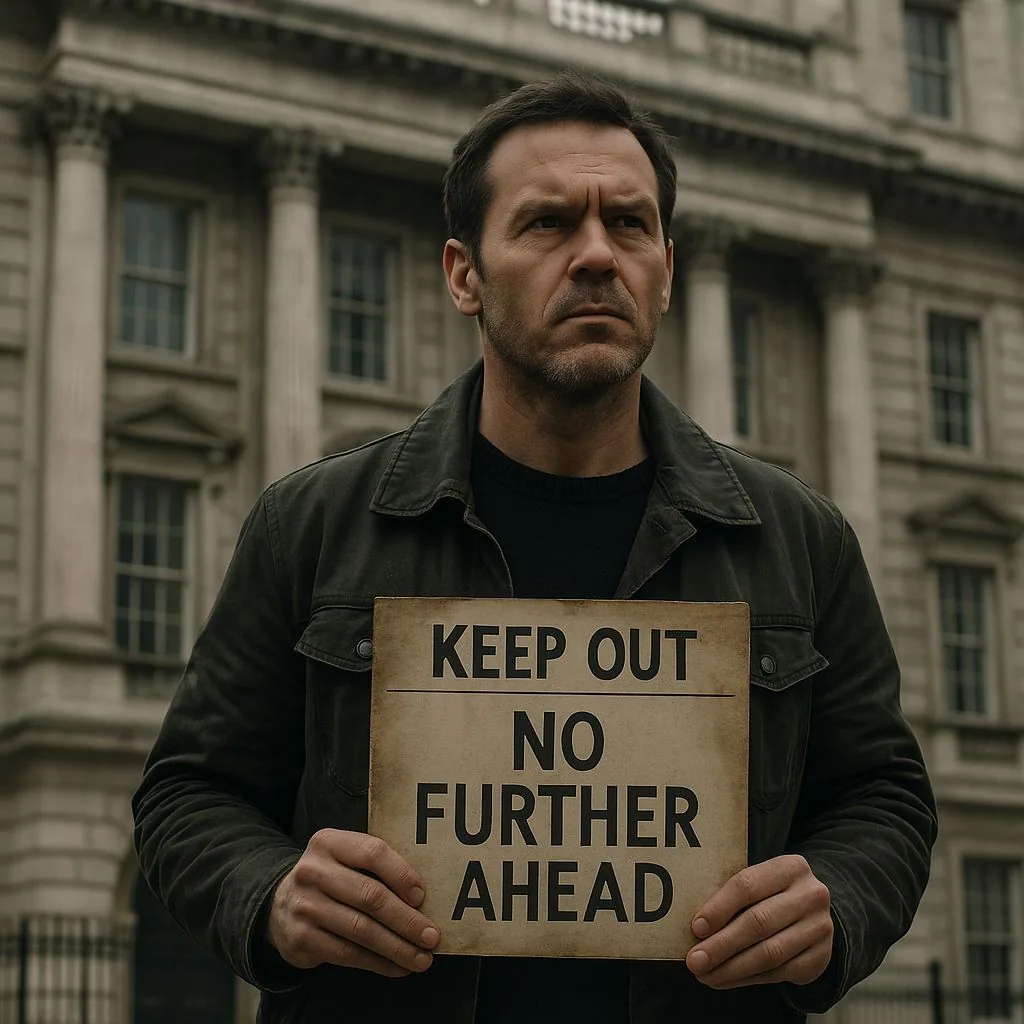
These aren’t just stories to be filed away in history books. They’re warnings for every person who still believes the state will tell you the truth. Because if there’s one thing Gruinard teaches us, it’s this: once the line is crossed, once death is weaponised in secret, the game changes forever.
The experiments are still happening—new names, new justifications, new pathogens. The difference is that now, they’re harder to see. But they’re there. And it’s up to us to remember, to dig deeper, and to never let them tell us the book is closed when the ink is still fresh.