Crypto Dip
Reflecting Global Tensions?
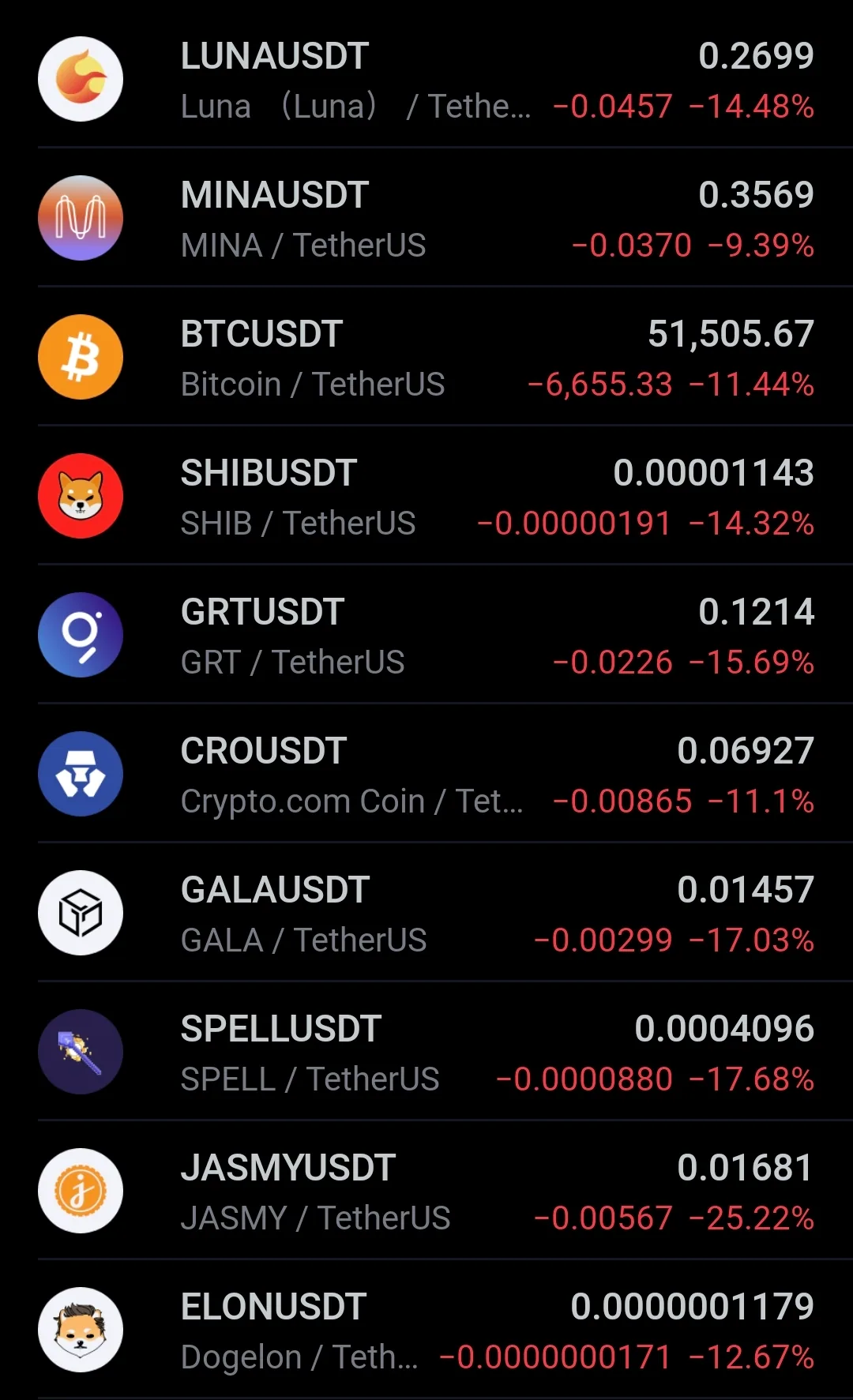
Over the past few years, I’ve invested countless hours in studying chart cycles within the crypto market. This has given me a unique perspective on current price movements and their potential underlying causes. Recently, the crypto market has experienced a sharp downturn, with Bitcoin dropping about 15% and altcoins like Shiba Inu falling around 20%. While these numbers might seem small on their own, they become much more significant when we consider the broader socio-economic context.
Social unrest is evident around the world. In the UK, protests and demonstrations have become more frequent and intense, reflecting a society that’s clearly on edge. This unrest isn’t isolated; it’s part of a larger global anxiety. We’re on the brink of potential conflict, with the spectre of war looming ever closer. This widespread fear is visible not only in society but also in the financial markets.
The recent sharp decline in cryptocurrency prices is a clear sign of this fear. Markets aren’t just driven by numbers and algorithms; they’re influenced by human emotions and reactions. When people are fearful, their investment behaviours change dramatically. The significant sell-offs in crypto highlight this collective anxiety.
Amidst this market turmoil, one detail stands out: the British Pound (GBP) is rising. This isn’t just a coincidence; it points to the influence of powerful global forces. The West, particularly the UK and the US, exerts considerable control over the world’s financial systems. The rise of the GBP amidst global unrest suggests that these Western powers are leveraging their influence to stabilise their currencies while others are struggling.
This pattern of market movements, especially during crises, suggests that changes are often deliberate rather than random. The financial elite and major economic players can influence these movements to their advantage, often capitalising on fear to consolidate their power and wealth.
This isn’t a new phenomenon. Historical market cycles frequently align with significant socio-political events. The human chart cycle, which links human emotions and societal trends with market behaviours, shows that during times of social and political unrest, markets often experience volatility. The current situation is a clear example of this theory in action.
The recent downturn in the crypto market, set against the backdrop of global unrest and the rising GBP, isn’t just a random fluctuation. It reflects broader societal fears and possibly the strategic actions of those in power.