“Desensitisation: The Barbaric Veil Shrouding South Wales’ Knife Crime Surge”

In the midst of South Wales, a dark shroud has enveloped the community as knife crime proliferates, particularly among the youth. This article delves into the chilling reality of desensitisation, exploring how a society once shocked by such acts has become increasingly immune to the barbarism unfolding within its borders.
The Alarming Normalcy:
Knife crime, once a shocking anomaly, is now threatening to become a tragically normalised facet of life in South Wales. The desensitisation to these acts is not only disconcerting but also indicative of a deeper societal issue that demands urgent attention.
Youth in the Crossfire:
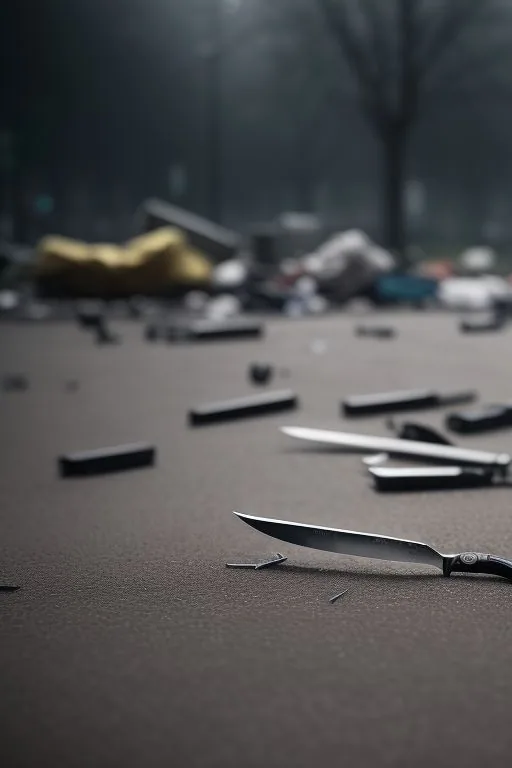
As knife crime surges, the youth find themselves caught in the crossfire, perpetuating a cycle of violence that further desensitises both the perpetrators and the community. The question echoes: How did we become so accustomed to the barbaric acts committed by the unbridled youth?

Media’s Role in Desensitisation:
The media, with its relentless coverage of violence, has played a significant role in desensitising society. Graphic portrayals, sensationalism, and the constant bombardment of violent imagery have collectively contributed to a culture where the barbaric becomes mundane.

Breaking the Chains of Apathy:
It’s time to shatter the chains of apathy that have bound us to this desensitised state. Acknowledging the severity of the issue is the first step, followed by concerted efforts to revive empathy and outrage in the face of such heinous acts.
Youth Rehabilitation:
Central to breaking this desensitised cycle is the rehabilitation of the youth involved in knife crime. Rather than accepting their actions as routine, a concerted effort must be made to understand the root causes and provide interventions that can redirect their paths toward a more positive future.
Community Awakening:
The community must wake up to the barbarism unfolding within its midst. Desensitisation should not be the norm; instead, it should be a call to action. Individuals must unite to restore sensitivity, empathy, and a collective determination to eradicate knife crime.
Conclusion:
As South Wales grapples with the surge in knife crime, the desensitisation that has taken hold must be recognised as a societal ailment. Only through a collective awakening, a renewed commitment to youth rehabilitation, and a rejection of apathy can the community hope to lift the barbaric veil that threatens to engulf its essence.
“I don’t believe in living by the norms of society. I somewhat feel like that’s half the problem with the world and people!”
In a society where norms dictate our actions, it becomes evident that conformity might be half the problem with the world and its people. The rising knife crime issue, particularly among the youth, reflects not just a breakdown in law and order but also a rebellion against societal expectations. The pressure from various sources, including media, influencers, and societal expectations, contributes to a sense of chaos among the younger generation. In this desensitised environment, the surge in knife crime appears not only as a criminal act but also as a symptom of a deeper societal issue – a stark reflection of a generation seemingly unbound and out of control.