Folk Devils and Media Narratives: Shaping Society and Legislation
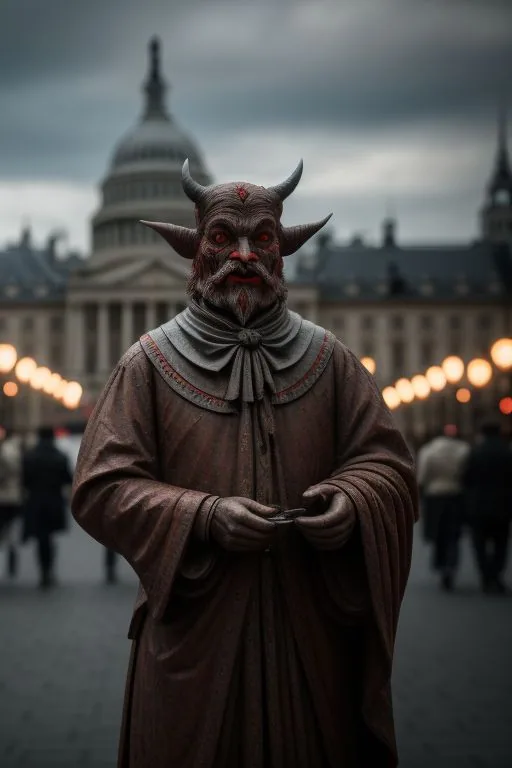
In today’s dynamic society, the interaction between media, government, and societal dynamics plays a pivotal role in constructing narratives that influence public perception and legislative decisions. This article delves into the concept of “folk devils,” popularised by sociologist Stan Cohen, and explores how media, government, and authoritative figures collaborate to create moral panics, ultimately shaping societal values and interests.
Understanding Folk Devils:
Stan Cohen’s ground-breaking study in 1972 examined media portrayals of clashes between Mods and Rockers in 1960s British seaside towns. Cohen introduced the concept of a ‘deviancy amplification spiral,’ wherein media dramatisation heightened visibility and public anxiety, leading to intensified reactions from authorities. Central to this process was the creation of “folk devils,” fictional figures onto whom societal problems, dangers, and anxieties were projected.
Media and Moral Entrepreneurs:
The symbiotic relationship between mass media and figures of authority, termed ‘moral entrepreneurs’ by Cohen, played a pivotal role in shaping these narratives. Judges, magistrates, senior police officers, and politicians found a platform to address the perceived ‘state of the nation’ and the dangers posed by certain groups. The media provided a forum for these figures to pass judgements, issue warnings, and demand strong actions, contributing to the construction of moral panics.
Global Perspectives:
While the focus of this article has been on the UK, the phenomena of moral panics and the creation of folk devils are not exclusive to a single region. Similar dynamics unfold across the world, often shaped by unique socio-political contexts. For instance, in the United States, the ‘War on Drugs’ campaign during the late 20th century and the portrayal of certain racial and ethnic groups as drug offenders exemplify how moral panics can have far-reaching consequences.
Relevance to Today’s Society:
In the context of contemporary events, it is evident that the creation of folk devils persists. Cohen’s prediction of recurring moral panics and the emergence of new folk devils holds relevance in the face of current societal challenges. Social structures continue to generate issues, prompting authorities to condemn solutions devised by certain groups, aligning with Cohen’s foresight.
Media’s Role in Shaping Narratives:
Beyond Cohen’s study, examples like the ‘yob culture’ during the 1990s and the invention of ‘mugging’ in the early 1970s, as explored by Stuart Hall and colleagues, underscore the media’s power in shaping narratives. The ‘mugger’ became a folk devil, deflecting attention from deep-seated social and political tensions onto a specific group. This led to the justification of tougher policing and the strengthening of the state’s authority.
Social Media and Activism:
In the age of social media, the creation of folk devils has taken on new dimensions. While these platforms can perpetuate moral panics, some argue that they also serve as tools that could be wielded strategically by those in power. Activism movements, such as #BlackLivesMatter and #MeToo, utilise social media to counter negative stereotypes and challenge traditional power structures that may contribute to the creation of folk devils. However, it’s essential to consider the possibility that social media, at times, might be manipulated to divert attention or sow division, further complicating the interplay between media and societal dynamics.
Impact on Legislation and Social Perception:
The creation of folk devils has lasting consequences, as seen in the case of the ‘sus’ law in Britain, allowing police to stop anyone suspected of committing a crime. The ‘mugging’ narrative facilitated the enactment of new police powers, exemplary sentences, and systematic harassment of young black men. The consequences of such narratives can be seen in ongoing issues, such as ethnic profiling in ‘stop and search’ practices.
Psychological Impact:
Being labelled as a ‘folk devil’ can have profound psychological effects on individuals and communities. It goes beyond societal perceptions and impacts the self-esteem and identity of those targeted. Studies have shown that individuals subjected to negative labels may internalise these perceptions, leading to a self-fulfilling prophecy where they conform to the expectations placed upon them. Understanding the psychological toll of such labelling is crucial in assessing the broader impact of moral panics.
Are We Still ‘Policing the Crisis’?:
The article concludes by posing a critical question: are we still ‘policing the crisis’ in contemporary society? Examining diverse perspectives on events like the English riots in 2011, it becomes apparent that debates continue about whether focusing on deviant behaviour is a deliberate displacement of larger economic, social, and political crises.
Conclusion:
In today’s society, the intricate interplay between media, government, and authoritative figures remains a potent force in shaping public opinion, influencing laws, and constructing narratives. The concept of folk devils, as identified by Stan Cohen, serves as a lens to understand how societal fears and anxieties are projected onto certain groups, perpetuating moral panics that impact individuals and communities. As we navigate the complexities of contemporary issues, it is crucial to critically examine the narratives that shape our perceptions and contribute to the creation of folk devils.