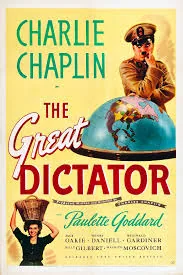
From Dictatorship to Unity: Chaplin’s Relevance Today
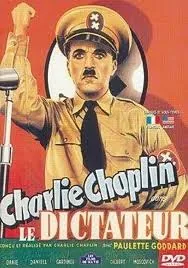
“I’m sorry, but I don’t want to be an emperor. That’s not my business. I don’t want to rule or conquer anyone. I should like to help everyone – if possible – Jew, Gentile – black man – white. We all want to help one another. Human beings are like that. We want to live by each other’s happiness – not by each other’s misery. We don’t want to hate and despise one another. In this world there is room for everyone. And the good earth is rich and can provide for everyone. The way of life can be free and beautiful, but we have lost the way.
‘Charlie Chaplin’
Greed has poisoned men’s souls, has barricaded the world with hate, has goose-stepped us into misery and bloodshed. We have developed speed, but we have shut ourselves in. Machinery that gives abundance has left us in want. Our knowledge has made us cynical. Our cleverness, hard and unkind. We think too much and feel too little. More than machinery we need humanity. More than cleverness we need kindness and gentleness. Without these qualities, life will be violent and all will be lost…
The aeroplane and the radio have brought us closer together. The very nature of these inventions cries out for the goodness in men – cries out for universal brotherhood – for the unity of us all. Even now my voice is reaching millions throughout the world – millions of despairing men, women, and little children – victims of a system that makes men torture and imprison innocent people.
To those who can hear me, I say – do not despair. The misery that is now upon us is but the passing of greed – the bitterness of men who fear the way of human progress. The hate of men will pass, and dictators die, and the power they took from the people will return to the people. And so long as men die, liberty will never perish…
Soldiers! don’t give yourselves to brutes – men who despise you – enslave you – who regiment your lives – tell you what to do – what to think and what to feel! Who drill you – diet you – treat you like cattle, use you as cannon fodder. Don’t give yourselves to these unnatural men – machine men with machine minds and machine hearts! You are not machines! You are not cattle! You are men! You have the love of humanity in your hearts! You don’t hate! Only the unloved hate – the unloved and the unnatural! Soldiers! Don’t fight for slavery! Fight for liberty!
In the 17th Chapter of St Luke it is written: “the Kingdom of God is within man” – not one man nor a group of men, but in all men! In you! You, the people have the power – the power to create machines. The power to create happiness! You, the people, have the power to make this life free and beautiful, to make this life a wonderful adventure.
Then – in the name of democracy – let us use that power – let us all unite. Let us fight for a new world – a decent world that will give men a chance to work – that will give youth a future and old age a security. By the promise of these things, brutes have risen to power. But they lie! They do not fulfil that promise. They never will!
Dictators free themselves but they enslave the people! Now let us fight to fulfil that promise! Let us fight to free the world – to do away with national barriers – to do away with greed, with hate and intolerance. Let us fight for a world of reason, a world where science and progress will lead to all men’s happiness. Soldiers! in the name of democracy, let us all unite!”
The Final Speech from The Great Dictator
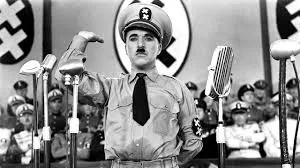
Charlie Chaplin’s final speech in “The Great Dictator” emerges as a timeless beacon, illuminating the labyrinth of history and intertwining with the intricacies of our contemporary world. In this exploration, we delve into the profound relevance of Chaplin’s words, traversing the boundaries of time to unravel their connection with the challenges that define our present.
The Essence of the Speech
Chaplin’s speech commences with a poignant repudiation of the pursuit of power and conquest, setting the stage for a universal plea to extend help across all facets of humanity, transcending differences. The condemnation of greed, acting as a corrosive force on the soul and erecting barriers of hate, remains a haunting reflection of our shared vulnerability. These timeless words, spoken decades ago, persist as a powerful reminder of the fragile nature of human existence and the necessity to prioritise empathy and compassion.
Relevance in Today’s World
As we navigate the complexities of the 21st century, Chaplin’s words echo with renewed resonance. In a world entangled in geopolitical tensions, economic disparities, and social divisions, the call for universal brotherhood reverberates, challenging the currents of hate and intolerance. The speech serves as a poignant commentary on the repercussions of unchecked greed, advocating for global unity and the cultivation of a society grounded in kindness and gentleness.
Global Challenges
Chaplin’s denunciation of greed, intertwined with misery and bloodshed, finds echoes in the disturbing proliferation of ongoing conflicts and the persistent challenges of the digital divide. From the trenches of conflict to the expansive disparities in wealth distribution, our world grapples with issues that necessitate collective solutions. The speech serves as a clarion call, urging us to reflect on the consequences of power pursuit at the expense of human well-being and underlining the pressing need for a paradigm shift towards empathy and cooperation. In the current era, where wars break out in various corners of the globe, the urgency of such a shift becomes all the more apparent.
Technology and Unity
The mention of the aeroplane and the radio, bringing humanity closer together, resonates vividly in our interconnected world. While technological advancements hold the potential to foster unity and understanding, Chaplin’s cautionary note reminds us of the weighty responsibility that accompanies such power. In this era of instant global communication, the call for the goodness in humanity and universal brotherhood takes on newfound importance, challenging us to harness technology for the betterment of all.
Political Reflection
Chaplin’s call to fight for liberty and against enslavement reverberates in a world where authoritarianism continues to cast shadows over democratic values. The speech stands as a stark reminder that the power lies with the people and the struggle for a world free from national barriers and intolerance demands collective action.
Conclusion
Charlie Chaplin’s final speech in “The Great Dictator” endures as a timeless masterpiece, weaving a narrative that transcends its cinematic origins. In a world confronted with pressing challenges, the relevance of Chaplin’s message remains undeniable. As we navigate the complexities of the present day, let us heed the call for empathy, unity, and humanity. The power to shape a better world lies within each one of us, waiting to be harnessed for the collective good.