From Rehab to Ruin: HMP Parc’s Descent into Crisis — A Full-Scale Breakdown Behind the Razor Wire
©️ By Sophie Lewis | The Indie Leaks | @realtalkrealtea
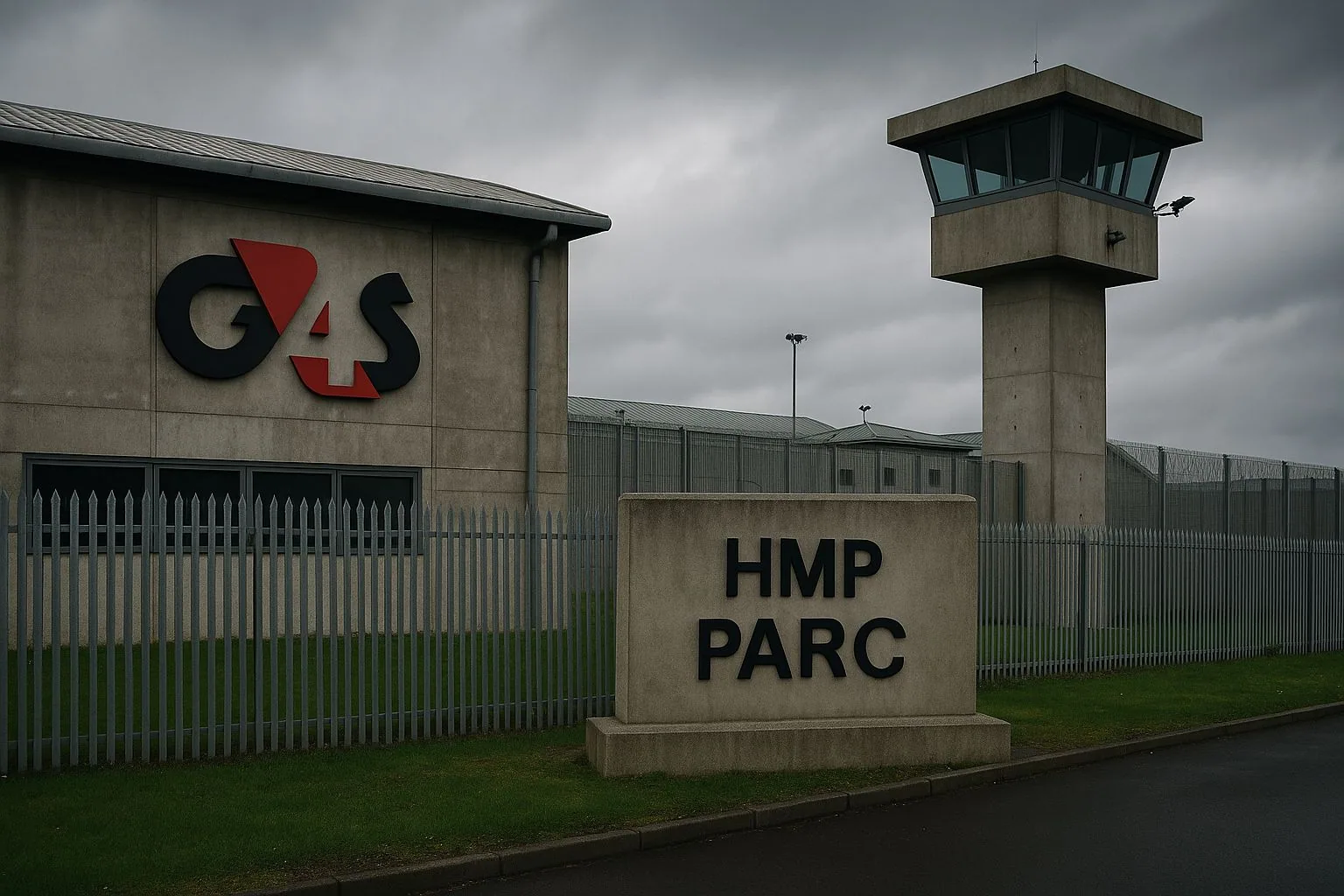
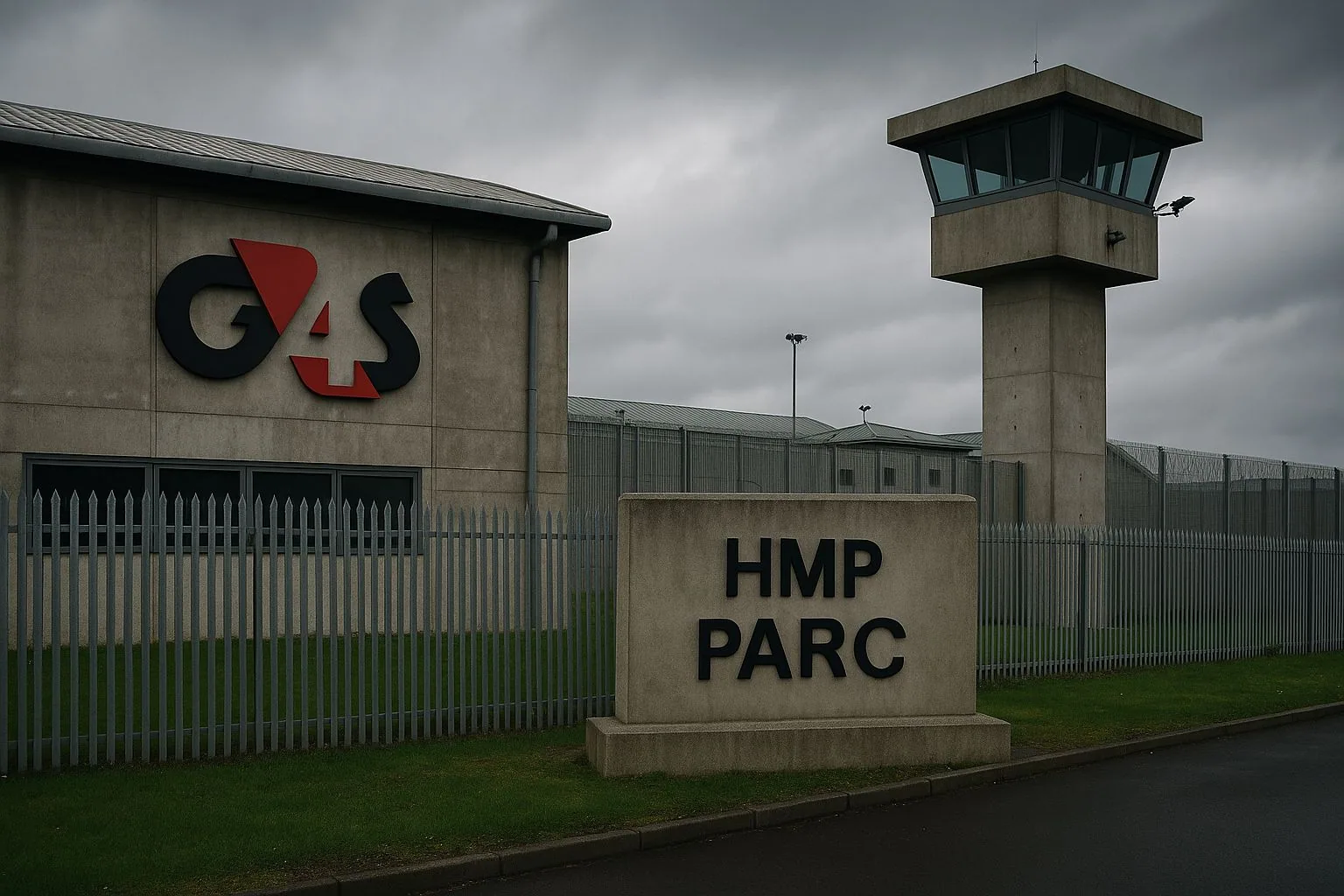
From Rehab to Ruin: HMP Parc’s Descent into Crisis
Link to the Full Report HERE! 😳
It’s supposed to be a place of rehabilitation. A stepping stone to a better life. A last chance.
And let’s be clear — it’s not just eight. Since 2022, over 30 men have died inside HMP Parc. Most never made the headlines. Some are still unexplained. And the system would prefer we didn’t count them. But we do.
Instead, HMP Parc has become a place where people go to disappear — into violence, addiction, hunger, grief, and in far too many cases, death.
The inspection report dropped with the usual bureaucratic distance. “Safety — poor.” “Respect — not sufficiently good.” “Drugs — widespread.” “Mental health — under extreme pressure.” But beyond the civil service tone lies a starker truth:
HMP Parc is not just failing. It is a crime scene.
Between February and May 2024, eight men died in custody. Three of those deaths were officially confirmed as self-inflicted. Others were linked to a rising tide of synthetic opioids sweeping through the prison — substances that have been found concealed in letters, sprayed on clothing, dropped via drones, and smuggled in by corrupt staff.
That’s not a system “under strain.” That’s a system off the rails.
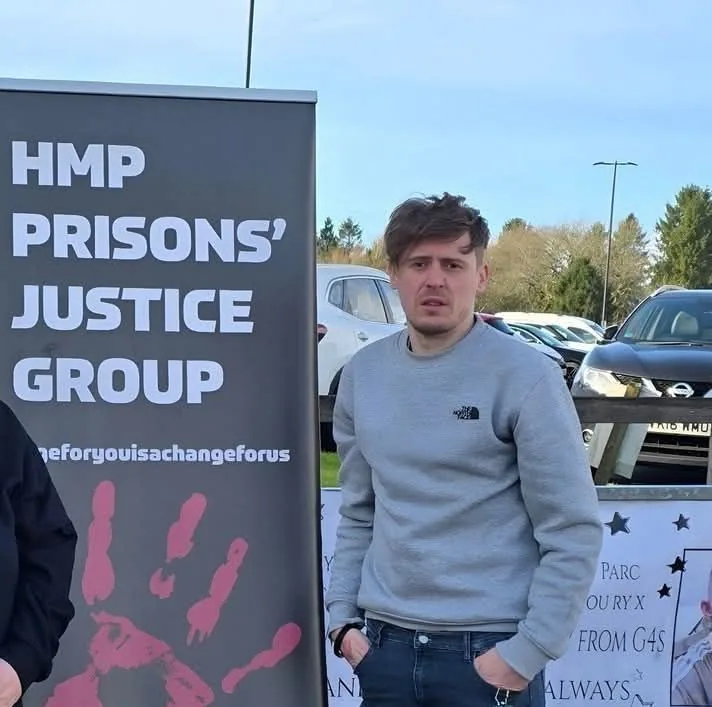
And we would know. Because we don’t just read the reports — we live the fallout. As survivor-journalists, as system challengers, and as the team behind HMP Prisons Justice Group, we have seen the cracks widen, the rot deepen, and the excuses pile up. Parc isn’t an isolated case. But it is the clearest proof yet that this model — private contracts, public indifference, paper-thin oversight — is not just unfit. It is deadly.
The Death Toll No One Can Explain
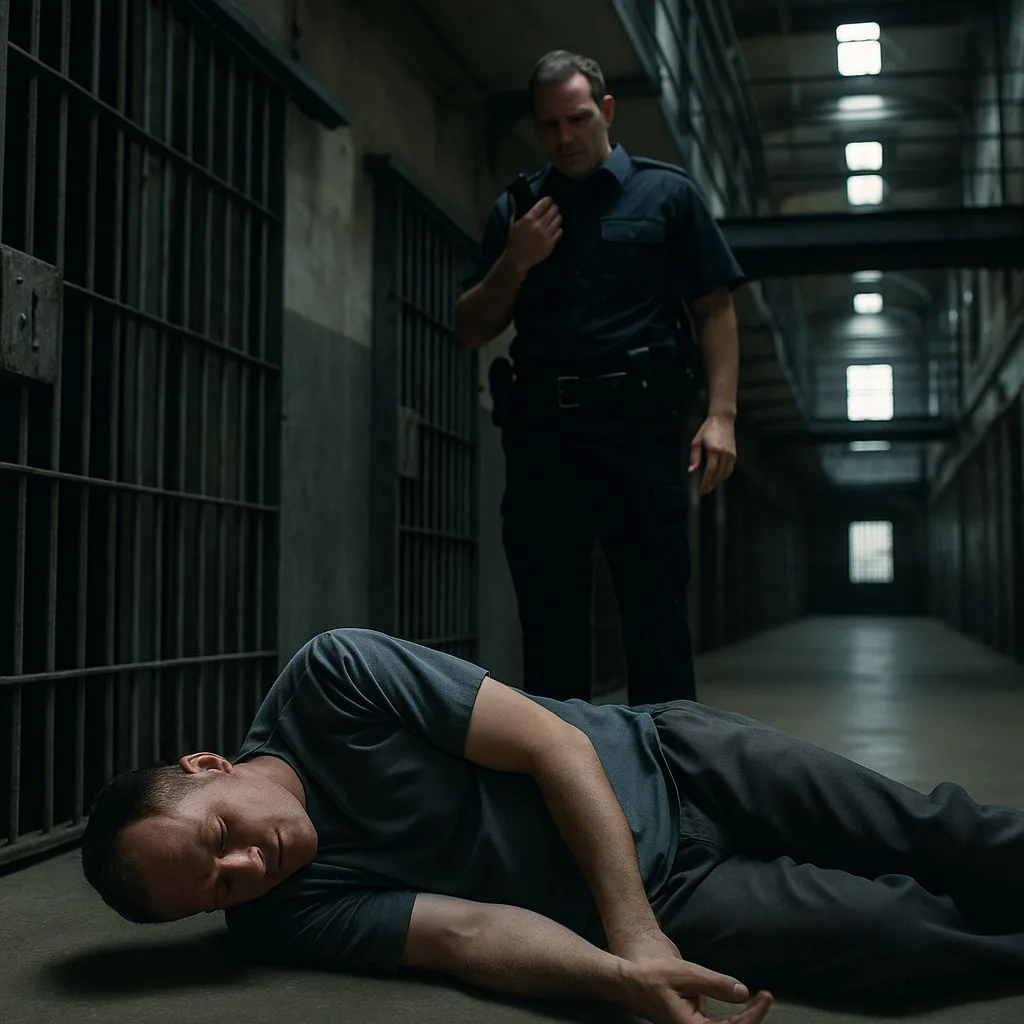
“They died quietly. The system stayed quieter.”
Between February and May 2024, eight men died behind the walls of HMP Parc. Three were confirmed as self-inflicted. The rest? Shrouded in silence. Whispers of overdose. Synthetic opioids. Drones. Staff corruption. “Unexplained causes.”
This isn’t tragic. It’s systematic.
The inspection team visited in January 2025. By then, the prison was still reeling — grief hadn’t been processed, answers hadn’t been delivered. Staff described the deaths as “devastating” but admitted they felt helpless. Many hadn’t even been told the causes of death. Others had stopped asking.
Why? Because HMP Parc, like too many prisons, doesn’t run on transparency. It runs on containment.
These weren’t elderly men or people nearing natural decline. They were young. Most under 40. Some had been in Parc for just weeks. Others were days away from release.
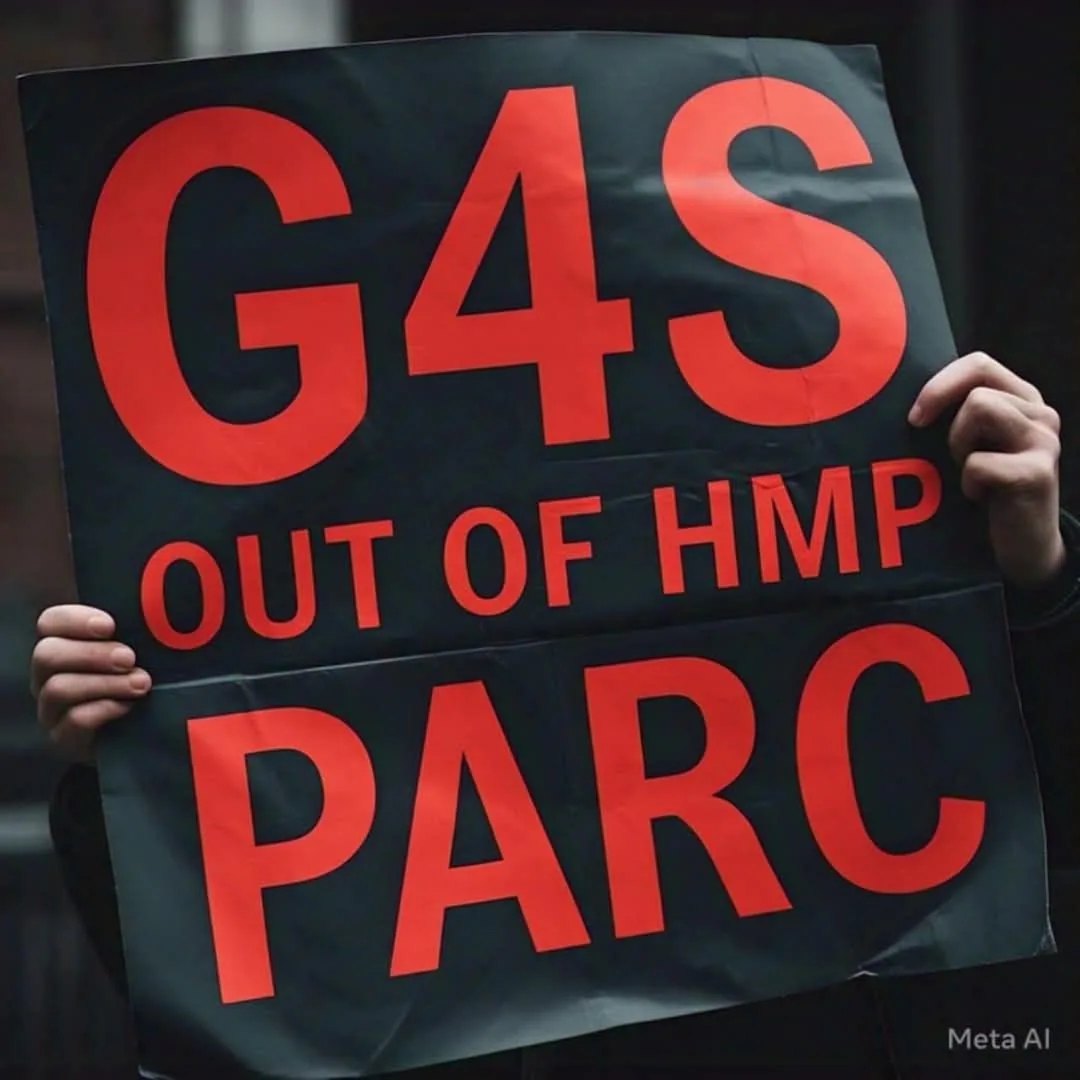
And when families called for answers, they hit a wall of silence. When protestors gathered at the gates in Bridgend, security ushered them off the land. When media asked questions, they were met with PR fluff from G4S and “ongoing investigation” lines from the Ministry of Justice.
But here’s what the report confirms:
Three suicides. Five suspicious deaths. And a prison completely unprepared for the aftermath.
“We found the safety team overwhelmed, their processes chaotic. Learning from deaths was inconsistent, and the causes were often unknown at the time of inspection.” — HMP Inspectorate, 2025
The Prison and Probation Ombudsman is still reviewing some of these cases. But we already know enough.
- No trauma-informed response plans.
- No improved mental health care post-deaths.
- No consistent communication to staff.
- No change in drug supply routes.
- No public accountability from G4S.
Instead, the system waited it out — until the outrage dulled, the bodies were buried, and the rest of the population moved on in fear.
We won’t move on.
Because these aren’t just deaths. They’re data points in a pattern — and HMP Parc is just the one inspection that caught them.
A Prison High on Spice and Rotten to the Core
“Everyone’s using. If you’re not, you’re suffering.”
If HMP Parc was a hospital, it would be shut down.
If it was a school, there’d be outrage.
But because it’s a prison, the drugs crisis is allowed to breathe — festering in the walls, passed in through windows, sprayed on paper, and absorbed through desperate lungs.
The report is unflinching:
- 52% of prisoners said it’s easy to get drugs inside.
- On A and B wings? That spikes to 70%.
- 34% developed a drug or alcohol problem after arrival.
Let’s say that again: one in three became addicted while in custody.
The place designed to reduce harm is actively creating addicts.
Drone drops. Staff mules. Paper laced with death.
The drugs flooding HMP Parc aren’t just cannabis and tobacco. They’re synthetic — Spice, Mamba, designer benzos, and lethal blends sprayed invisibly onto letters, clothes, and Bible pages. One dose too heavy? Respiratory failure. Heart attack. Death. Prisoners collapse mid-convo. Staff watch, numb.
And how are they getting in?
- Drones: Parc’s windows have long been known as weak points. As of 2025, they’re still not all secure.
- Corrupt staff: Three have been convicted already. More under investigation.
- Through the post: One parcel can take out a wing.
Despite this, prison leadership dragged its heels on window replacements. Handheld substance detectors were only introduced after the deaths. And even now, staff aren’t regularly trained to spot the signs of intoxication.
“Security intelligence was not being used proactively. Too often, we saw no intervention until someone overdosed.” — HMIP, 2025
And here’s where it gets darker.
Parc houses young prisoners, lifers, men with no previous sentences — and all are dumped in wings with open access to drugs. There’s no separation, no triage, no real detox wing. The people who want help can’t get it. The people who don’t care? Drown in it.
The in-house support? Dyfodol, the subcontracted substance misuse provider, is described as “overwhelmed and under-resourced.” Caseworkers carry caseloads of 100+. There’s no meaningful 1-on-1 help. No rehab pathway. No exit strategy.
This isn’t “rehabilitation.” This is state-sanctioned slow death.
And G4S?
Silent.
The same G4S who signed a 10-year contract in 2022. Who take public money to run this facility. Who rolled out “recovery programmes” on paper — but when asked by inspectors, couldn’t show outcomes. Couldn’t show structure. Couldn’t show safety.
They did show PowerPoints. But that’s all.
Inside, prisoners are starving, stoned, and stuck in survival mode. And every time a man collapses from Spice, the guards radio for medical — and the system just resets.
Locked Up, Starved, Forgotten
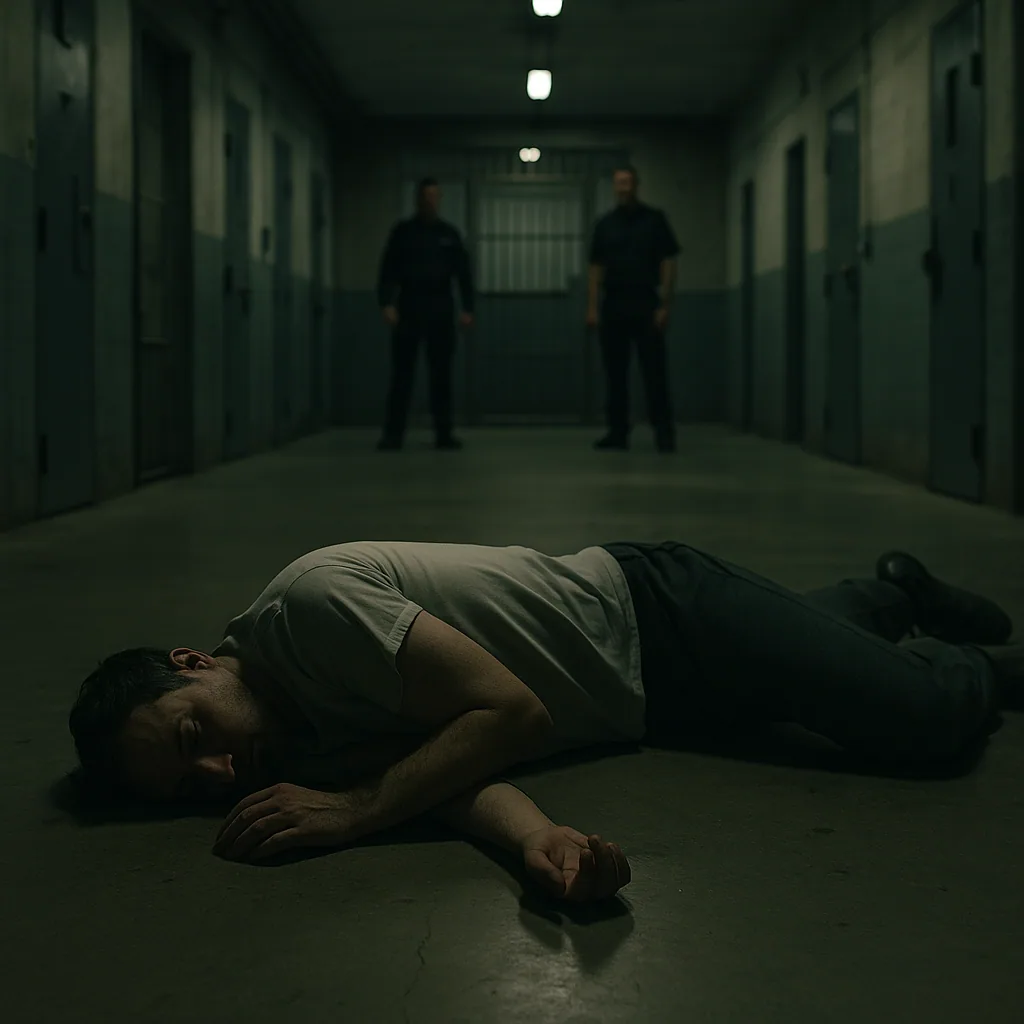
“You’re not human here. You’re a number. A burden. A cost to be cut.”
There’s something especially disturbing about watching people go hungry inside a state-funded prison. Parc isn’t a warzone. It’s not some post-apocalyptic ruin. It’s a private prison — run under contract by one of the largest security firms in the world, G4S — and it can’t even feed the men in its custody.
The inspectors couldn’t believe it either:
- Only 23% of prisoners said they had enough to eat.
- Food was described as “often inadequate in portion and nutritional value.”
- The kitchen was found to be understaffed, too small, and without proper storage for fresh food.
- Muslim prisoners said their halal options were handled with the same gloves used for pork.
- Vegan and vegetarian options? Non-existent.
And it gets worse.
The canteen system — meant to provide choice and dignity — is a joke.
Many items listed were out of stock for weeks. There’s no fruit, no fresh veg, and absolutely no provision for cultural or religious dietary needs. Ethnic minority prisoners? Forgotten. Diabetics? Overlooked.
“They give us rice, bread and slop. And they call it choice.” — Prisoner testimony, anonymous
One Muslim man said he stopped eating entirely from the prison kitchen after finding meat in his supposed vegetarian meal. He lived on overpriced canteen noodles — until the shop ran out.
“Hungry, idle, and angry.”
That’s how multiple prisoners described their daily reality.
Here’s why:
- Most spend 19–21 hours per day locked in a cell.
- Nearly 200 men were found to be sitting idle after induction — no job, no education, no activity.
- Even those who want to work are trapped in limbo due to admin delays, broken systems, and miscommunication between departments.
- Education places are limited. 17% of prisoners are completely unemployed.
This creates pressure.
Boredom breeds violence. Hunger feeds desperation.
Drugs become the only coping mechanism — the only source of stimulation.
The regime? It’s not a regime. It’s solitary confinement disguised as “routine.”
And still — the prison can’t seem to grasp the urgency. G4S has admitted to staffing shortages, logistical chaos, and a backlog in activity allocation. But what’s being done?
You guessed it: meetings, memos, more reports.
Not food. Not purpose. Not care.
“We observed men left to rot, hungry and withdrawn, with no explanation for why they were not engaged in activity.” — HMIP, 2025
We’ve got people developing vitamin deficiencies in British prisons.
We’ve got men losing teeth because they can’t get dentist appointments.
We’ve got lifers eating cold pasta off a plastic tray with their fingers because the cutlery ran out.
And we’re told this is justice.
Mental Health Meltdown — A Prison Crying for Help

“I told them I wanted to die. They told me to wait.”
There are men in Parc who haven’t spoken to a human being in three days.
There are men screaming through cell doors for medication that doesn’t come.
And there are staff walking wing to wing with panic in their eyes because they know — if someone ends their life tonight, they probably won’t have the tools, the time, or the backup to stop it.
This isn’t dramatic. It’s documented. Extensively.
597 mental health referrals in three months.
That’s one every 3.5 hours.
The in-reach and primary care teams are fragmented, understaffed, and uncoordinated.
Psychiatric support is backlogged by 22 weeks.
“Many prisoners in crisis were locked in cells most of the day. They had no mental health support plans in place.” — HMIP, 2025
Let’s be clear: this isn’t just about a few stretched workers. This is a total system collapse.
- There’s no autism assessment pathway.
- There’s no ADHD triage or support.
- There’s no psychological therapy available, even for those clearly in distress.
- Prisoners with diagnosed conditions? Left to rot.
- Suicidal ideation? Managed with observation sheets and 15-minute checks.
We spoke to families. Some hadn’t heard from their loved ones in weeks. Some got phone calls where their sons were slurring — not from drugs, but from withdrawal, psychosis, fear.
And the staff? Burnt out. Some new recruits with no mental health training are being tasked with crisis management. One wing officer had been in post just eight weeks when a prisoner tried to take his life in the cell next door. She’d had no training in suicide response. Just panic buttons and crossed fingers.
Over 1,900 self-harm incidents in one year.
That’s up 58%.
And you know what the prison’s suicide prevention strategy was described as?
“Chaotic.”
“Inconsistent.”
“Non-compliant with basic procedures.”
There are forms not being filled in. Care plans not being written. Meetings not happening.
Why? Because the people running Parc are more focused on covering up statistics than confronting trauma.
“The ACCT (suicide/self-harm care) process was not understood or applied consistently… documentation was poor.” — HMIP, 2025
And what happens when someone’s in real crisis?
They’re locked behind a steel door. Alone.
With a pillowcase or belt taken away.
Maybe on 24-hour watch if they’re lucky.
No therapy. No de-escalation. No release.
Just time, silence, and survival.
Let’s call it what it is: psychological torture dressed in prison uniform.
And for men who’ve already endured trauma, abuse, neglect — this is just retraumatisation.
We’ve heard from men who begged to be sectioned.
Who swallowed batteries to get help.
Who were laughed at when they said, “I need to see someone.”
Rehabilitation Is a Lie — Parc’s Promise Is Dead

“They tell the public we’re getting help. We’re not. We’re getting through it. Or we’re not.”
HMP Parc once claimed to be a pioneer in rehabilitation. A prison that did things differently. With veterans’ wings. Neurodiversity units. Specialist support. Reintegration plans.
But peel back the brochure gloss, and what’s left?
A crumbling regime where men sit idle, unheard, and unprepared for life beyond the walls.
And if you ask the people living it, the truth is brutal:
“They told me I’d get help with my addiction. I left with more of one.”
“They said I’d do education. I spent four months in my cell.”
“I begged for resettlement support. They told me to ask probation.”
Here are the facts:
- A fifth of the prison population is unemployed.
- 180+ prisoners were found to be doing nothing post-induction — no activity, no education, no progression.
- Education places are too few, and attendance is inconsistent.
- Sentence planning is patchy, poorly documented, and often non-existent for short-stayers.
- Key work — the essential 1-on-1 between staff and prisoners — is barely happening.
In one case, inspectors found a man with zero contact from his key worker in over a year.
Others had plans in name only — no records, no goals, no human contact.
“Key work had significantly deteriorated since 2022. There was no evidence of purposeful contact or relationship building.” — HMIP, 2025
And it matters. Because rehabilitation isn’t a service you provide after someone’s calmed down. It’s the thing that stops them going back. It’s the difference between release and reoffending.
Parc used to lead on this. Now? It’s failing men before they leave — and failing the public after.
Public protection? Also collapsing.
When new arrivals come in, risk information is not always shared.
That means sex offenders, violent offenders, and vulnerable individuals are sometimes placed on wings without safeguards.
MAPPA (multi-agency public protection arrangements) oversight was found to be incomplete or delayed in multiple cases.
And for those being released?
- Some leave with no ID.
- Some with no housing arranged.
- Some with just a bus ticket and a phone number.
And the public? Told it’s all handled.
Tick-boxes. Case notes. Spreadsheets.
But real people are walking out into the community more damaged than when they arrived, still addicted, still traumatised, still unsupported.
Rehabilitation is not happening at Parc. And the people paying for that failure are all of us.
Every man dumped back onto the streets without a plan is a risk the system created.
Every overdose post-release is a policy failure.
Every reoffence could have been prevented if the basics had been done inside.
“The men are crying out for purpose. And the system is giving them paper exercises and half promises.” — Senior officer, anonymous
The State of Denial — G4S, the Ministry, and the Cost of Silence

“When systems fail this hard, someone should be held accountable. But no one ever is.”
You don’t get eight deaths, a drug epidemic, collapsing mental health care, racial inequality, and systemic neglect by accident.
You get it when profit is prioritised over people, and when the people responsible are protected by contracts, press releases, and silence.
Let’s name it.
G4S.
A private security giant with a rap sheet longer than some of the men it locks up.
From fraud charges and detainee abuse to fatal failures in custody — this is the same company that has:
- Lost control of HMP Birmingham (which the state had to take back)
- Been accused of assaulting detainees at immigration centres
- Falsified records in youth custody
- And now, is presiding over the total breakdown of HMP Parc
They were handed a fresh 10-year contract to run Parc in 2022.
Two years in? Staff exodus. Spike in violence. Escalation in deaths. Drug chaos. Inspection bombshell.
And yet… nothing.
No termination. No penalties. No public explanation. Just vague pledges and internal “improvement plans.”
“We found a culture of chaos. Senior leadership had fractured. Line management was inconsistent. Information was not filtering down. Accountability was lacking at every level.” — HMIP, 2025
And where’s the Ministry of Justice?
Exactly where they always are when things go wrong: behind a curtain of generic statements and risk management spreadsheets.
They knew Parc was in decline.
They saw the 2022 warning.
They received daily updates on deaths, violence, drug use.
And yet — they renewed contracts. Offered praise. Sent inspectors late.
This isn’t oversight.
It’s complicity.
Here’s the truth they won’t print:
Outsourcing prisons is political cowardice dressed as innovation.
It lets ministers avoid responsibility, hide behind “providers,” and wash their hands of the harm.
And it’s happening across the board.
Not just Parc.
Not just G4S.
Every time a prison is run for profit, care becomes a cost.
Mental health becomes “non-essential.”
Drug crises become “anticipated risks.”
Deaths become “incidents.”
And rehabilitation becomes a buzzword for brochures.
The silence is the point.
Because if the public really knew what was happening inside Parc —
how many lives are unraveling behind those gates,
how many families are grieving with no answers,
how many men are being left worse than when they arrived —
we’d burn the whole system down.
But they don’t know.
Because the state keeps it buried.
Because the press won’t look deeper.
Because people think “prisoners deserve it.”
Until it’s their brother.
Their son.
Their friend.
Their mistake.
This Is Not Justice — This Is a Crime Scene

We’ve shown you the wreckage.
- Eight men dead in three months.
- Over half the prison addicted or developing addictions after arrival.
- Nearly 2,000 acts of self-harm in a year.
- A mental health system drowning.
- Food shortages, racial neglect, and spiritual needs ignored.
- No education, no purpose, no future.
- Staff turnover so severe the people running the wings barely know what they’re doing.
- And behind it all? A private company, G4S, running this disaster for profit.
This isn’t failure. This is a crime.
But no one’s in handcuffs.
No G4S exec has faced public scrutiny.
No minister has apologised.
No official has said: “We let this happen.”
They just let the bodies pile up.
So we’ll say it.
This is a system built to brutalise.
To silence.
To strip people of identity, dignity, and then release them more broken than before.
And if you think this only affects the people behind the bars — you’re not paying attention.
Because this doesn’t stop at the gate.
This affects the families.
The mothers getting phone calls in the middle of the night.
The kids growing up with no contact.
The communities reabsorbing people who’ve been dehumanised, retraumatised, and set up to fail.
And the public? Being lied to.
Sold stories of rehabilitation.
Fed statistics stripped of context.
Told that G4S is delivering results.
They’re not.
They’re delivering damage — and charging taxpayers for the privilege.
So here’s what we demand.
As HMP Prisons Justice Group. As survivors. As campaigners. As people who give a damn:
- Immediate independent investigation into all deaths at HMP Parc between 2022–2025.
- Termination of G4S’s contract and public accountability hearings.
- Full audit of mental health provision, suicide prevention, and self-harm protocols in Parc and all privately-run UK prisons.
- Restoration of proper neurodiversity and veterans support units with trained staff and full funding.
- A national review of private prison contracts — with survivor-led consultation and transparency.
- A statutory duty to provide proper food, healthcare, and rehabilitation — enshrined in law.
- An end to the political silence. No more hiding behind “commercial confidentiality.”
We won’t wait for change.
We’ll keep speaking.
We’ll keep protesting.
We’ll keep publishing the truth until the system has nowhere left to hide.
HMP Parc is a warning.
And we heard it loud and clear.
If you work in Parc and want to speak — we’ll protect your identity.
If you’ve lost someone inside — we’ll stand with you.
If you’ve survived it — your story matters.