Mountains to Quarries: Is Quarrying Fuelling Pontypridd’s Flooding Crisis?
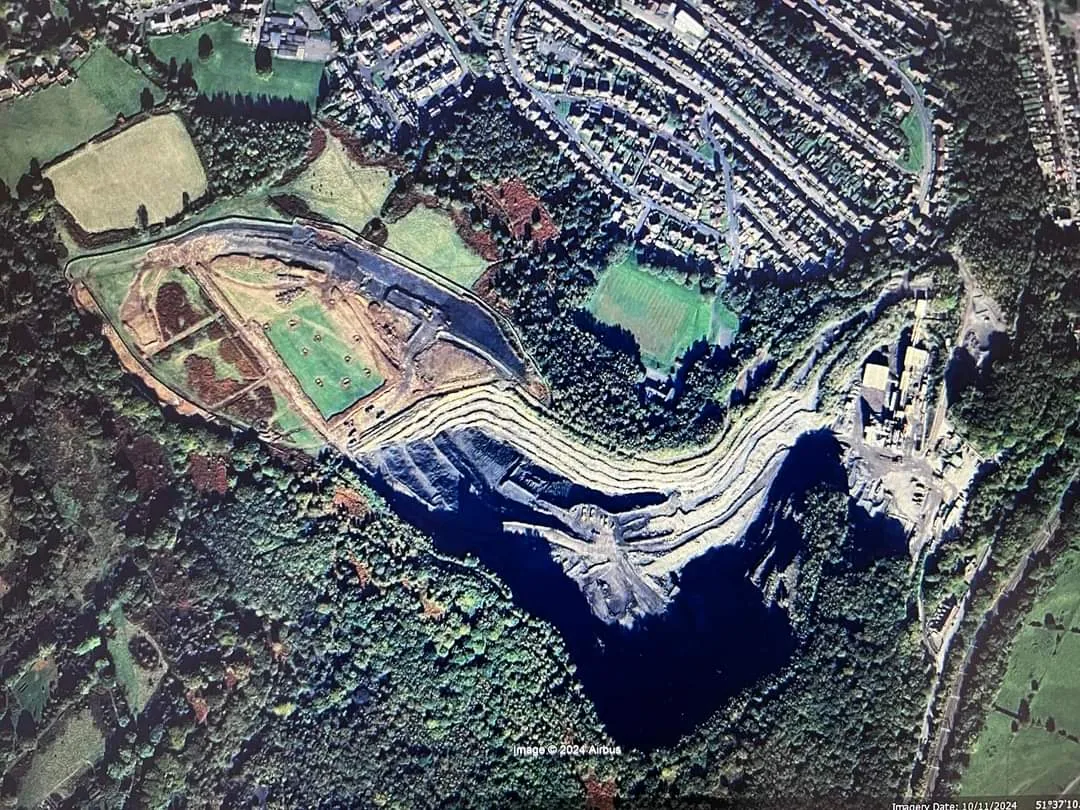
As Pontypridd and its surrounding areas endure yet another devastating flood, residents are left questioning the underlying causes. While heavy rainfall is often blamed, a growing chorus of voices believes human activity—specifically, the expansion of the Craig-yr-Hesg quarry above Glyncoch—is exacerbating these events. Could quarrying, combined with urbanisation and climate change, be pushing the region towards an environmental tipping point?
Craig-yr-Hesg Quarry: Expansion Amid Opposition
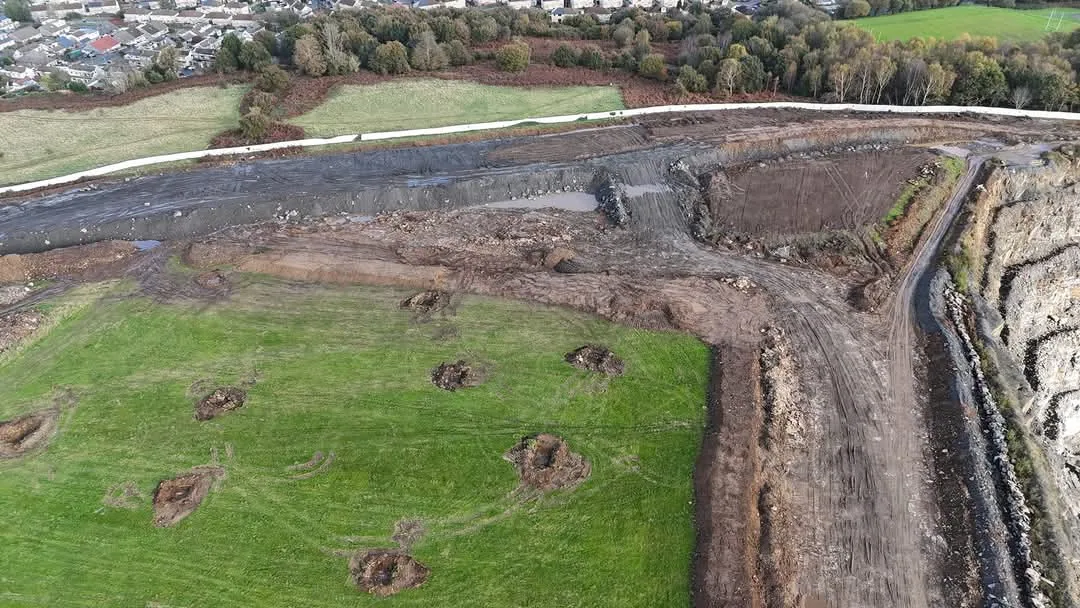
The Craig-yr-Hesg quarry, operated by Heidelberg Materials, recently gained approval to extend operations, despite significant local opposition. Over 15.7 million tonnes of additional aggregate extraction were authorised, with operations extended until 2047. This decision overturned Rhondda Cynon Taf Council’s initial rejection, raising questions about how public concerns were addressed during the appeal.
The quarry’s footprint has dramatically altered the landscape. Originally covered in vegetation, this area once played a critical role in absorbing rainwater and slowing its flow into local rivers. The removal of natural flood barriers has created an exposed, impermeable surface, prone to increasing surface runoff during storms.
How Quarrying Alters Flood Patterns
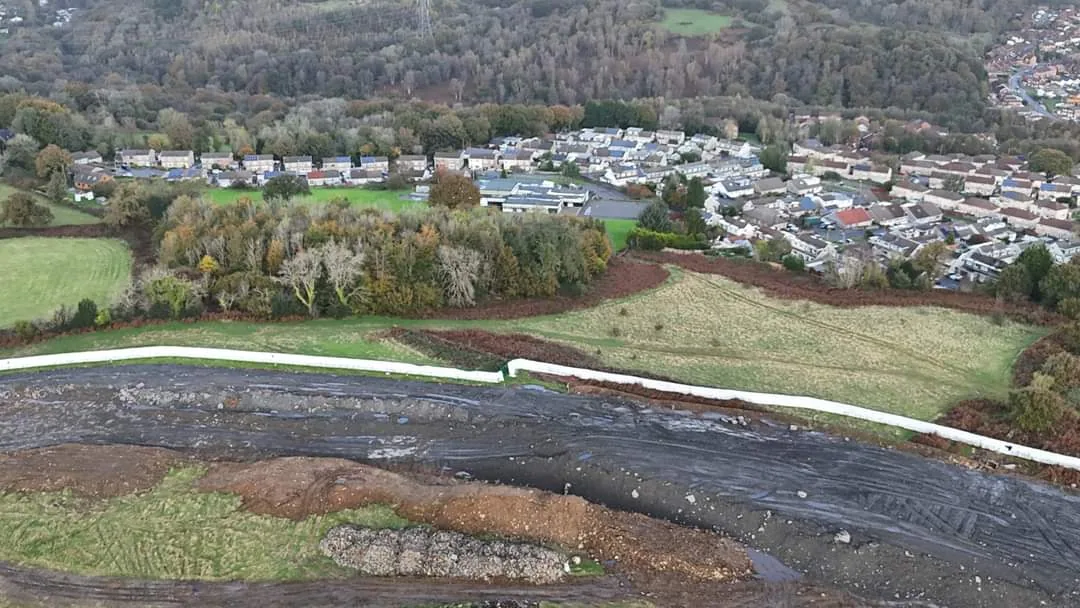
Mountain ecosystems serve as nature’s flood defences. Vegetation and soil absorb and retain water, releasing it slowly into streams and rivers. Quarrying, however, disrupts this delicate balance by:
1. Removing vegetation, reducing water absorption.
2. Compacting land, leading to increased runoff.
3. Depositing sediment into rivers, reducing their capacity to carry floodwaters.
A Natural Resources Wales report highlighted that the River Taff catchment is particularly sensitive to land-use changes. Quarrying above Glyncoch, paired with urbanisation in the valley below, could be overwhelming the Taff’s natural flow patterns.
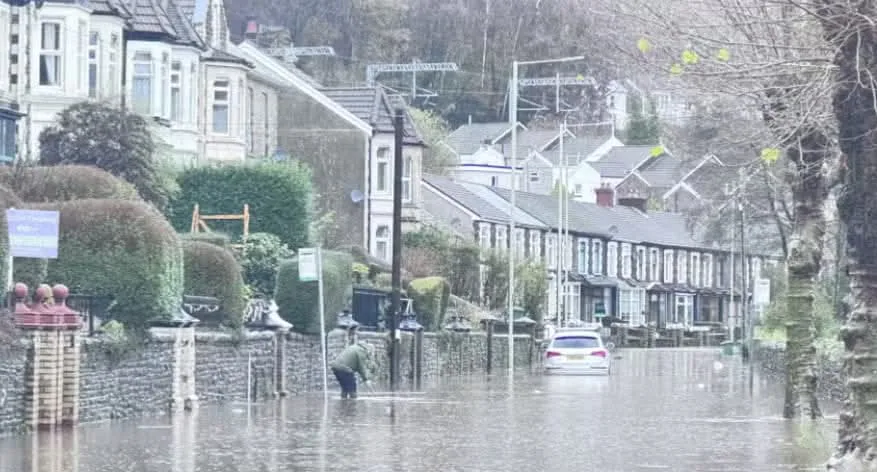
Local Testimonies: Unnatural Flooding
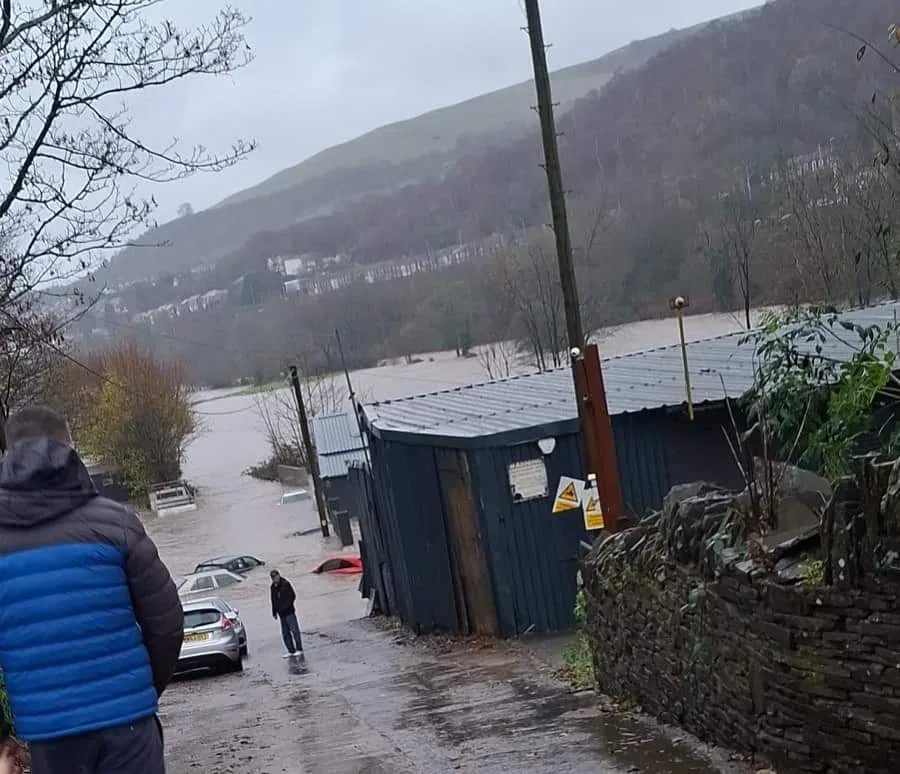
Pontypridd residents have observed increasingly erratic river behaviour. One lifelong resident shared:
“We’ve had heavy rain in the past, but the flooding now feels different. The Taff isn’t rising and falling as it used to—it seems to spike rapidly. Something about this isn’t natural.”
These observations align with hydrological studies showing that disturbed landscapes cause faster water flow into rivers, creating higher flood peaks and leaving less time for warning or mitigation.
The Role of Climate Change and Urbanisation
While quarrying is a significant factor, it’s part of a broader environmental crisis. Climate change is intensifying rainfall patterns across Wales, with heavier downpours becoming more frequent. Urbanisation has added impermeable surfaces like tarmac and concrete, further reducing the land’s ability to absorb water. Together, these factors amplify the risks posed by quarrying.
A Call for Accountability
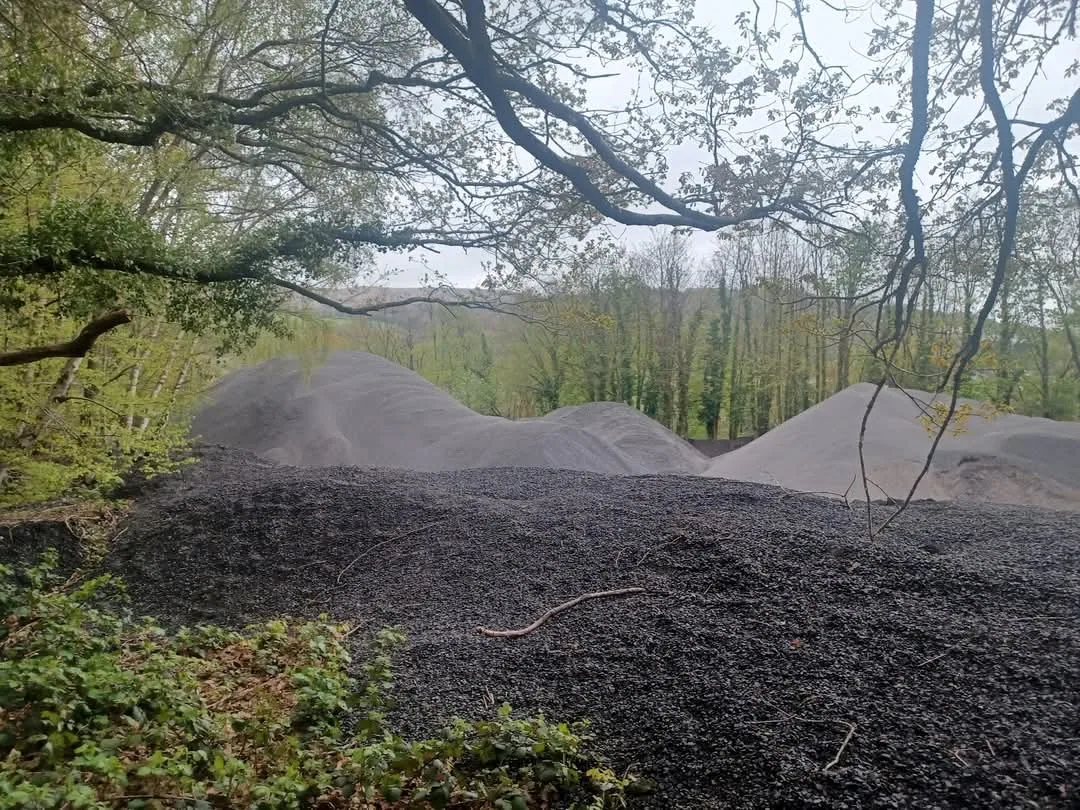
The residents of Pontypridd and Glyncoch are not just victims of flooding—they’re victims of a system that prioritises industrial interests over community welfare. Despite clear evidence of environmental harm, decisions continue to favour profit over sustainability.
One local activist summarised the sentiment:
“We feel ignored. The quarry benefits companies, not the people living downstream who face the consequences.”
What Needs to Change?
To prevent further devastation, urgent actions are required:
1. Independent Environmental Assessments: A detailed hydrological study should examine how quarrying and urbanisation are impacting local flood risks.
2. Stronger Regulatory Oversight: Quarry expansions must include mandatory flood mitigation measures, such as reforestation and improved drainage systems.
3. Community-Led Advocacy: Residents must unite to demand transparency and action from both Heidelberg Materials and local authorities.
4. Investments in Flood Defences: Measures like retention basins, river dredging, and natural flood management schemes must become a priority for the Welsh Government.
Time to Act

Pontypridd’s flooding crisis is not just an environmental issue—it’s a wake-up call about the long-term consequences of unsustainable development. The mountains, valleys, and rivers that define this region are interdependent; disrupting one inevitably impacts the others. As these floods continue to devastate lives and livelihoods, the government and industry must prioritise sustainability over short-term gains. Nature will always fight back—it’s time we started listening.