Silencing Continues
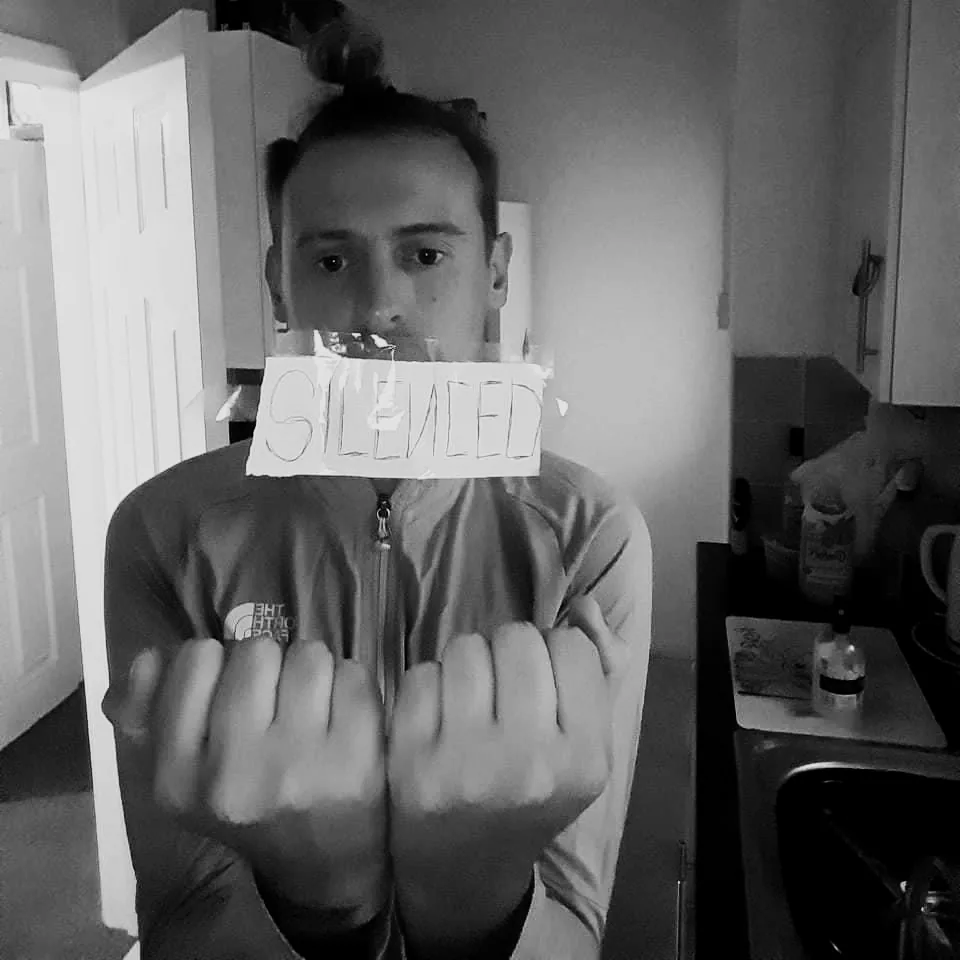
Activist Zack Griffiths Arrested Again for Exposing G4S Parc Prison!
In a disheartening turn of events, activist Zack Griffiths, who has long been a vocal advocate for prisoners’ rights at G4S Parc Prison, has once again been arrested and charged. His latest arrest, which occurred on 8th October 2024, highlights the lengths to which authorities are willing to go to silence those who dare speak out against institutional injustices. Griffiths’ case raises fundamental questions about free speech, transparency, and the right to hold power accountable.
Zack’s activism—once a beacon of hope for those silenced behind prison walls—has become a target for relentless suppression. Despite the growing public support for his cause, Zack is now facing serious charges that aim not just to punish him, but to prevent him from continuing his advocacy.
The Arrest: Silencing Through Legal Retaliation
Zack’s arrest on 8th October wasn’t a random incident—it is part of a disturbing trend. He was charged with multiple offences related to his continued efforts to expose the harsh realities of life inside G4S Parc Prison, a private facility in Wales notorious for its inhumane conditions.
Zack pleaded guilty to several charges at Cardiff Magistrates’ Court, including:
Transmitting or causing the transmission of an image or sound from a prison, a violation of the Prison Act 1952.
Sending an “offensive, indecent, obscene, or menacing” message over a public communication network.
Using threatening, abusive, or insulting language intended to cause harassment, alarm, or distress.
In an attempt to stifle his work further, Zack now awaits sentencing at Cardiff Crown Court on 6th November, where he faces even more severe consequences. He has already been sentenced to four weeks in prison for the charge of harassment—a punishment that seems designed to keep him out of the public eye and off social media, where his voice has carried the most weight.
The Bigger Picture: When Free Speech Is Conditional
Zack’s latest arrest is not just an attack on one man—it is an attack on the principle of free speech itself. His case reveals the uncomfortable truth that in Western societies, free speech is often conditional, particularly when it challenges powerful institutions or brings to light abuses that many would prefer remain hidden.
By criminalising Zack’s efforts to share the reality of prison life at Parc, authorities are sending a clear message: dissent will not be tolerated. The charges against him, especially those concerning the transmission of information from within the prison, are not about protecting public order—they are about controlling the narrative.
Zack’s work has been vital in exposing systemic abuse and neglect in Parc Prison, and his voice is a lifeline for those who cannot speak for themselves. Yet, in silencing him, the authorities are attempting to erase the experiences of prisoners whose rights are already being violated daily.
The Dangerous Precedent: Suppressing Activism
What is happening to Zack is not an isolated incident. Activists around the world are increasingly finding themselves targeted by laws that are ostensibly meant to protect public order, but are instead being used to suppress dissent and shield institutions from scrutiny. Zack’s case is a stark example of how those in power are willing to manipulate the legal system to crush activism.
If we allow this kind of legal retaliation to go unchecked, what does it say about the state of our democracy? Are we truly free to speak out against injustice, or are we only free to do so when it does not threaten the powerful? These are questions that Zack’s case forces us to confront, and they have implications far beyond one man’s struggle.
Zack’s Fight: More Than Just a Legal Battle
Zack’s advocacy goes beyond social media posts—it is a fight for transparency, accountability, and human rights. His willingness to risk imprisonment to expose the conditions in G4S Parc is a testament to his courage, and it is a call to action for all of us.
His battle is not just about one prison or one activist—it is about the right to hold institutions accountable, the right to expose injustice, and the right to demand change. Zack’s voice has been a lifeline for prisoners at Parc, and now it’s our turn to make sure his voice doesn’t get drowned out by the system.
As he awaits sentencing in November, the stakes are higher than ever. His imprisonment is meant to silence him, but we cannot let that happen. Zack’s fight is not just about the prisoners of G4S Parc—it’s about defending the right of every individual to speak out against injustice, and the necessity of protecting those who risk everything to bring the truth to light.
A Call to Action: Stand with Zack
We cannot afford to let Zack’s voice be silenced. Now is the time for us to stand in solidarity with him and others who have been targeted for their activism. We must demand greater transparency from the institutions that claim to protect us, and we must push back against the systems that seek to suppress dissent.
Zack’s struggle should inspire us all to continue the fight for human rights, free speech, and justice. The silencing of one voice should not deter us; it should strengthen our resolve to ensure that the stories of the oppressed are heard, and that those responsible for these injustices are held accountable.
Let us rally behind Zack and remind the authorities that silencing him will not make the problems he exposed disappear. In fact, it will only make them louder.