The Remote Control Theory and the Dangers of Media Influence
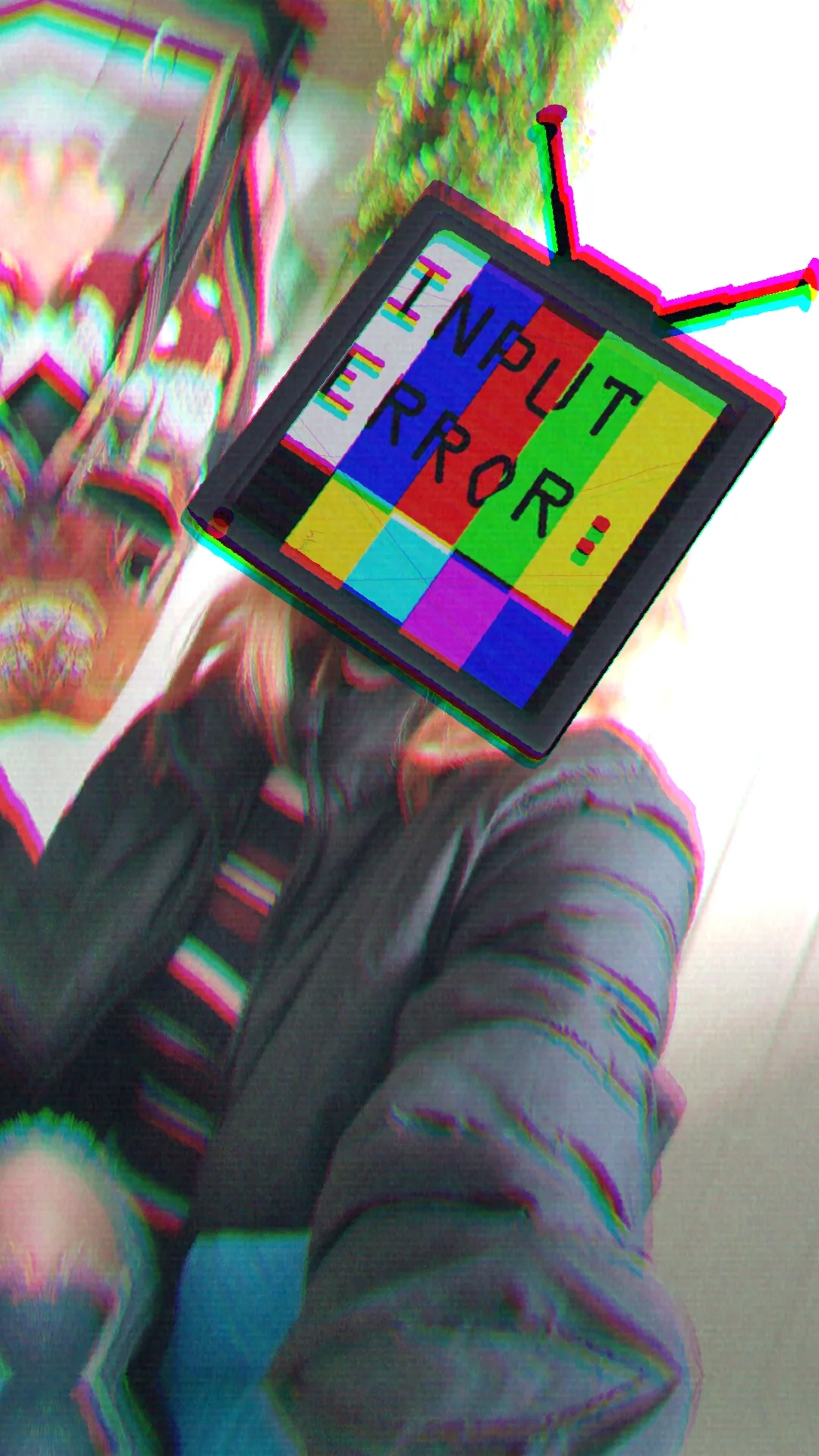
In today’s digitally driven world, the term “remote control” takes on a whole new significance beyond its literal meaning. It’s not just a device for changing channels; it’s a subtle reminder of the intricate control mechanisms embedded within media consumption.
Think about it: when we switch channels, we’re not merely toggling between programmes; we’re choosing which narrative, perspective, and message to absorb. However, even this seemingly simple act is not without its implications. Each channel, each programme, carries with it a payload of subliminal messaging, framing, and agendas carefully crafted to shape our thoughts, beliefs, and behaviours.
This is where the remote control theory comes into play—a notion that suggests our media consumption habits are akin to being remotely controlled by unseen forces. Whether it’s through subtle advertising techniques, biased news coverage, or carefully curated content, the media wields an immense power to influence us from a distance.
But why should we be concerned? The dangers lie in the passive acceptance of these influences without critical examination. By allowing ourselves to be swayed by the narratives presented to us, we relinquish our autonomy and become mere conduits for the agendas of others.
Consider the prevalence of subliminal messaging, where subtle cues and symbols are embedded within media content to influence our subconscious minds. These tactics bypass our conscious awareness, subtly shaping our perceptions and preferences without us even realising it.
Moreover, the proliferation of biased or sensationalised news coverage further exacerbates the issue. When we passively accept these narratives without questioning their validity or considering alternative perspectives, we risk falling victim to misinformation, polarisation, and manipulation.
Reflecting on my own journey, I made the conscious decision to part ways with my television over a decade ago, and I haven’t looked back since. Free from the constant bombardment of external noise, I embarked on a path of self-discovery and self-awareness. This personal choice allowed me to break free from the grip of remote control, both literal and metaphorical, and reclaim autonomy over my own thoughts and actions.
So, what can we do to combat these dangers? The key lies in media literacy and critical thinking. By developing the skills to analyse and evaluate media content critically, we can become more discerning consumers, capable of recognising and resisting manipulative tactics.
Furthermore, we must actively seek out diverse perspectives, question the motives behind media messages, and remain vigilant against the subtle influences that permeate our media landscape.
In conclusion, the remote control theory serves as a stark reminder of the power dynamics at play within media consumption. By acknowledging the dangers inherent in passive acceptance of media influences and advocating for greater media literacy and critical thinking, we can reclaim control over our own minds and resist being remotely controlled by unseen forces.