The Uncomfortable Truth About Prisons: Systemic Failure or Personal Accountability?
A Hard Conversation No One Wants to Have
When it comes to prison reform, most discussions revolve around corruption, inhumane conditions, and the failures of the justice system. And that’s all true—the system is broken beyond belief. But there’s another side to this conversation, one that many activists refuse to acknowledge: at what point do we hold the prisoners themselves accountable for the chaos inside?
Yes, the system creates monsters. But do all prisoners have to embrace it?
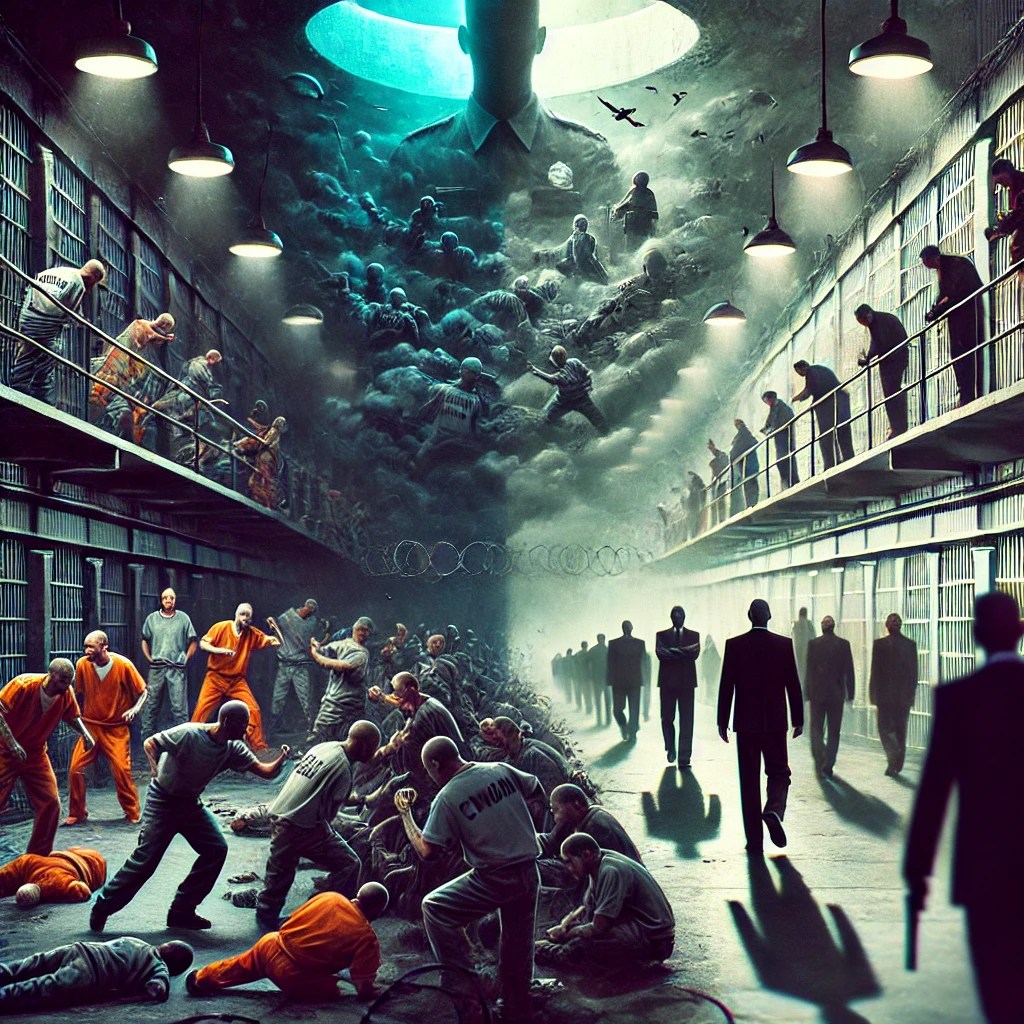
From overcrowded, lawless prisons in Georgia, USA, to the failing UK prison system, we’re witnessing something far beyond systemic failure. Inside these walls, some people actively choose destruction—and that’s something we can’t ignore any longer.
The System Is Designed to Fail
The prison system isn’t built to rehabilitate. It’s built to warehouse people, generate profit, and keep the cycle going.
- Prison Conditions: Overcrowding, violence, unsanitary environments, and lack of proper healthcare create a breeding ground for chaos.
- Corrupt Guards and Drug Flow: Drugs don’t just appear inside prisons—they’re brought in, often by the very people paid to maintain order.
- For-Profit Prisons (US) and Underfunded Facilities (UK): In the US, many prisons operate like corporations—more inmates mean more funding. In the UK, chronic underfunding has left prisons dangerously overcrowded and understaffed, allowing violence and drug addiction to spiral.
- Lack of Rehabilitation: Instead of preparing people for life after prison, the system funnels them right back in.
- UK Prisons in Crisis: Reports show UK prisons running at over 150% capacity, leading to severe staff shortages, increased violence, and extreme drug problems. HMP Wandsworth, for example, recently made headlines when an inmate escaped due to sheer negligence and lack of security measures.
- Reoffending Rates: The UK has one of the highest reoffending rates in Europe, with over 48% of released prisoners reoffending within a year. This cycle proves that the system isn’t focused on reforming criminals—it’s designed to keep them coming back.
If prisons are a mess, it’s because they’re designed to be.
The Inmates: When Does Personal Responsibility Start?
While the system is undoubtedly broken, some of what happens inside these prisons is self-inflicted.
- Some inmates have no interest in rehabilitation. Violence, drugs, and gang hierarchies thrive because many choose to embrace them.
- The ‘Animal Mentality’ Effect: If you cage people in inhumane conditions, they will act accordingly—but does that excuse all behaviour?
- Addiction and Chaos: Many prisoners are addicts who fuel the cycle of destruction within. But at what point is addiction a choice?
- Gang Dominance and Power Plays: Some inmates actively ensure the prison remains violent to maintain their status, control contraband, and instil fear.
- UK vs US: While UK prisons may not be as openly lawless as some US facilities, violence, gang control, and extreme drug abuse—especially the rise of synthetic drugs like Spice—mirror the same patterns seen in American prisons.
- HMP Liverpool Report: A 2023 inspection found that drug abuse was so rampant that some inmates were found unconscious from overdoses, with staff barely able to intervene.
Yes, the system creates criminals—but some prisoners also choose to stay criminals.
Where Does the Blame Truly Fall?
It’s easy to point fingers at the justice system, the guards, and the lack of resources. And those things all contribute to the disaster. But ignoring the fact that some inmates willingly embrace the chaos is just as dishonest.
- Some prisoners are victims of the system, stuck in a loop they can’t escape.
- Others are just violent, reckless individuals with no desire to change.
- Blaming only the system ignores the reality of those who make the chaos worse.
- UK Prisons Are No Exception: With record-high levels of reoffending, frequent prison riots, and growing reports of extreme drug abuse, the UK’s justice system is heading down the same road as the US—if not already there.
- HMP Birmingham Case Study: A riot in 2016 exposed how fragile UK prisons are—hundreds of inmates took control of the facility for hours, setting fires and attacking officers.
Both things can be true: the system is corrupt, but some individuals take it even further.
The Hypocrisy of Free Speech in Activism
One of the strangest things in activist spaces is the contradiction between demanding free speech and suppressing it within their own groups.
- Activists fight for free expression—but silence anyone who questions their narrative.
- Many groups block, delete, and discredit dissenters—even if they raise legitimate concerns.
- The demand for justice often applies selectively—only when it fits their ideology.
- Some groups become echo chambers, mirroring the very control structures they claim to oppose.
- UK Activist Groups Are No Different: Whether it’s prison reform, social justice, or political activism, UK groups also engage in selective censorship, silencing voices that challenge their carefully curated narratives.
If we want real change, we can’t pick and choose when free speech matters.
The Money Behind Prisons: Who Really Profits?
- Private Prison Contractors: Companies like Serco, G4S, and Sodexo are contracted to run UK prisons, often with massive government funding.
- Financial Incentives for Mass Incarceration: The UK government spends approximately £46,000 per prisoner per year, meaning the longer an inmate stays in the system, the more money flows into private contracts.
- Prison Labour: Inmates in both the UK and US are used as cheap labour for major corporations, often making less than £1 per hour.
- Who Benefits? The longer prisoners stay locked up, the more money flows into government budgets and private contractor pockets.
The prison system is a business. And like all businesses, its goal is not rehabilitation—it’s profit.
A Reality Check for Both Sides
This isn’t about saying all prisoners are bad or the system is perfect. The truth is, both sides are responsible for the state of modern prisons.
- The justice system profits from keeping people locked up in chaos.
- Some prisoners feed into that chaos, willingly making it worse.
- Activists need to be willing to have real conversations—even when uncomfortable.
- The UK’s prison system is not far behind the worst of the US—and ignoring it will only make it worse.
No more sugarcoating. No more one-sided blame. It’s time for honesty.