“Unveiling the Depths: Inner Dialogue, Monologue, and Aphantasia in the Mosaic of Cognition”
Introduction:
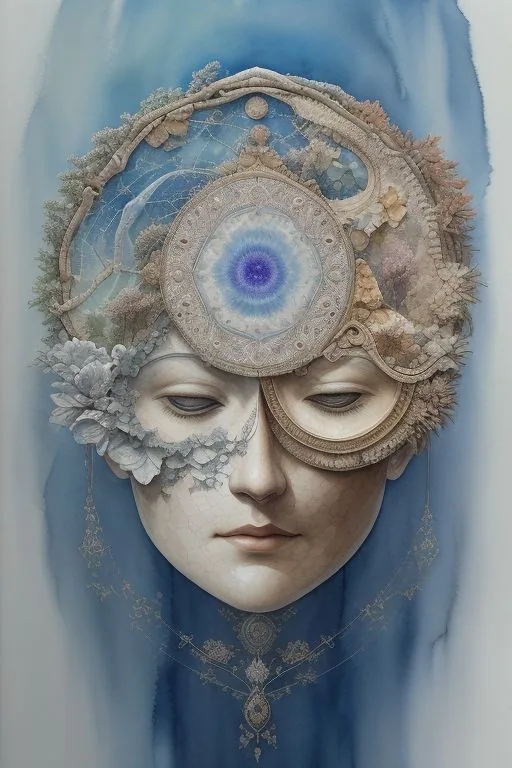
In the intricate symphony of human cognition, our minds are diverse landscapes, each a unique masterpiece. This exploration embarks on a profound journey, unravelling the complexities of inner dialogue, monologue, and aphantasia. As we navigate these cognitive territories, we discover the captivating ways in which thoughts, feelings, and recognition converge.
Inner Dialogue and Monologue: The Dance of Cognitive Expression
Within the vast realm of mental processes, inner dialogue and monologue perform a nuanced dance. Inner dialogue, akin to a dynamic discussion, features multifaceted exchanges, while inner monologue is a solitary narrative or reflective journey. These cognitive nuances underscore the rich tapestry of human thought processes.
Personal Insight:
Traversing the landscapes of my own cognition, the dance of inner dialogue and monologue takes centre stage. In the symphony of thoughts, I find solace in the contemplative journey of inner monologue—an exploration of a singular, self-directed flow of thoughts.
Aphantasia: Embracing a Canvas of Feeling and Recognition
In the absence of vivid mental imagery—aphantasia—a unique cognitive landscape unfolds. Aphantasia refers to the condition where individuals lack the ability to visualise mental images. For me, the recollection of memories or faces is not a visual experience but a journey through abstract feelings and interconnected thoughts. The canvas of aphantasia is painted with an emotional palette, where faces are sensed rather than seen, and memories are felt rather than painted.
Personal Insight: Navigating the Cognitive Mosaic
Within the intricate tapestry of my cognitive landscape, the interplay of inner dialogue, monologue, and aphantasia forms a mosaic uniquely my own. When recalling significant moments, the absence of a vivid mind’s eye doesn’t hinder the resurfacing of memories and emotions; instead, they intricately unfold within the canvas of my thoughts. This experience highlights the complexity of aphantasia, where visual elements may be absent, yet the richness of emotions and thoughts persists.
Psychedelic Exploration:
Remarkably, my experience with psychedelics introduces a fascinating twist to this cognitive tale. Despite the inherent aphantasia, the mind’s eye seemingly opens, and surreal visuals emerge. These psychedelic visions, distinct from conventional mental imagery, underscore the complexity and adaptability of the mind under altered states.
Connecting Threads: Celebrating Cognitive Diversity
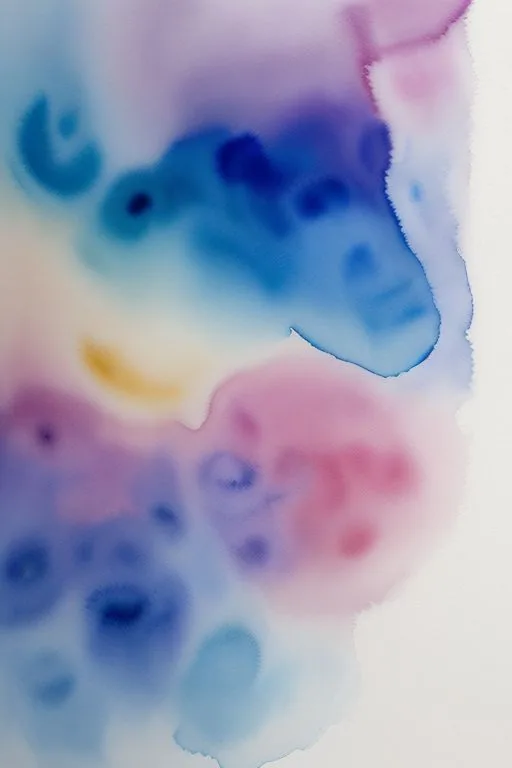
Beyond individual experiences, the absence of visual landscapes in aphantasia unveils a celebration of cognitive diversity. Recent studies, such as the work led by Dr. Adam Zeman at the University of Exeter1, delve into the neurological aspects of aphantasia, shedding light on the fascinating variations in how our minds function. In challenging norms and expanding the canvas of cognitive diversity, we collectively enrich the narrative of the human experience.
Cognitive Symphony: Unravelling the Depths
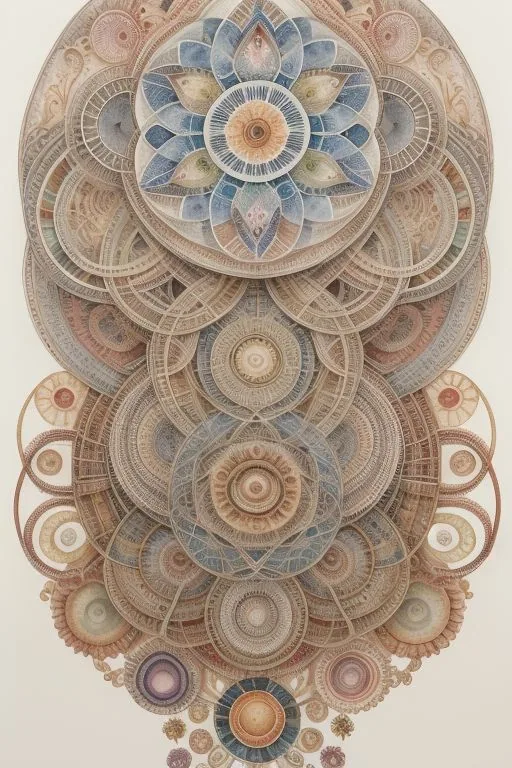
As we delve into the depths of inner dialogue, monologue, and aphantasia, a cognitive symphony unfolds. Drawing parallels to the intricate patterns found in Claude Monet’s “Water Lilies,” we can illuminate the beauty inherent in the orchestrated complexity of human thought. Reference the perspectives of philosopher Henri Bergson, who explored the concept of duration and the fluidity of thought processes2. This ongoing exploration is a celebration of the mind’s capacity to shape thoughts in diverse and unexpected ways. The richness within these subtleties adds layers to the intricate tapestry that defines the human experience.
Closing Note: Embracing the Canvas Within
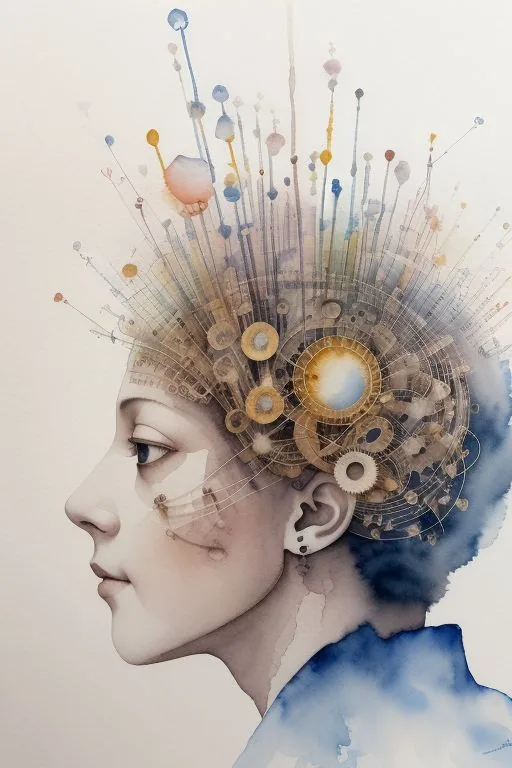
The exploration of diverse cognitive landscapes unveils the richness within the subtleties of inner dialogue, monologue, and aphantasia. Understanding these cognitive processes holds significant implications for various fields, including education, creativity, and mental health. In education, recognising the spectrum of inner cognitive processes can inform personalised learning strategies, catering to individual strengths and preferences. Creativity, too, stands to benefit as we grasp the intricate ways minds shape thoughts, fostering environments that nurture diverse creative expressions. Moreover, insights into the cognitive intricacies contribute to advancements in mental health, paving the way for tailored approaches to therapy and interventions.
This ongoing journey is an ode to the mind’s ability to shape thoughts in diverse ways. As we collectively embrace and share these unique cognitive stories, we not only enrich our understanding but also contribute to the vibrant tapestry that defines the human experience.
Call to Action: Share Your Cognitive Canvas
Join the conversation! Share your unique cognitive experiences—whether shaped by inner dialogue, monologue, aphantasia, or a combination of these. Your story adds depth to the ongoing exploration of the mosaic of human cognition. I encourage readers not only to share individual experiences but also to reflect on and share insights gained from the article. This two-way exchange contributes to a diverse narrative of minds coming together to explore and understand the intricate realms of cognition.

References:
- Zeman, A., Dewar, M., & Della Sala, S. (2015). Lives without imagery – Congenital aphantasia. Cortex, 73, 378-380.
- Bergson, H. (1911). Creative Evolution. Macmillan.