What Happens When Courts Misread Autism? Families Say Justice Is at Risk
©️ By Sophie Lewis | Real Talk, Real Tea
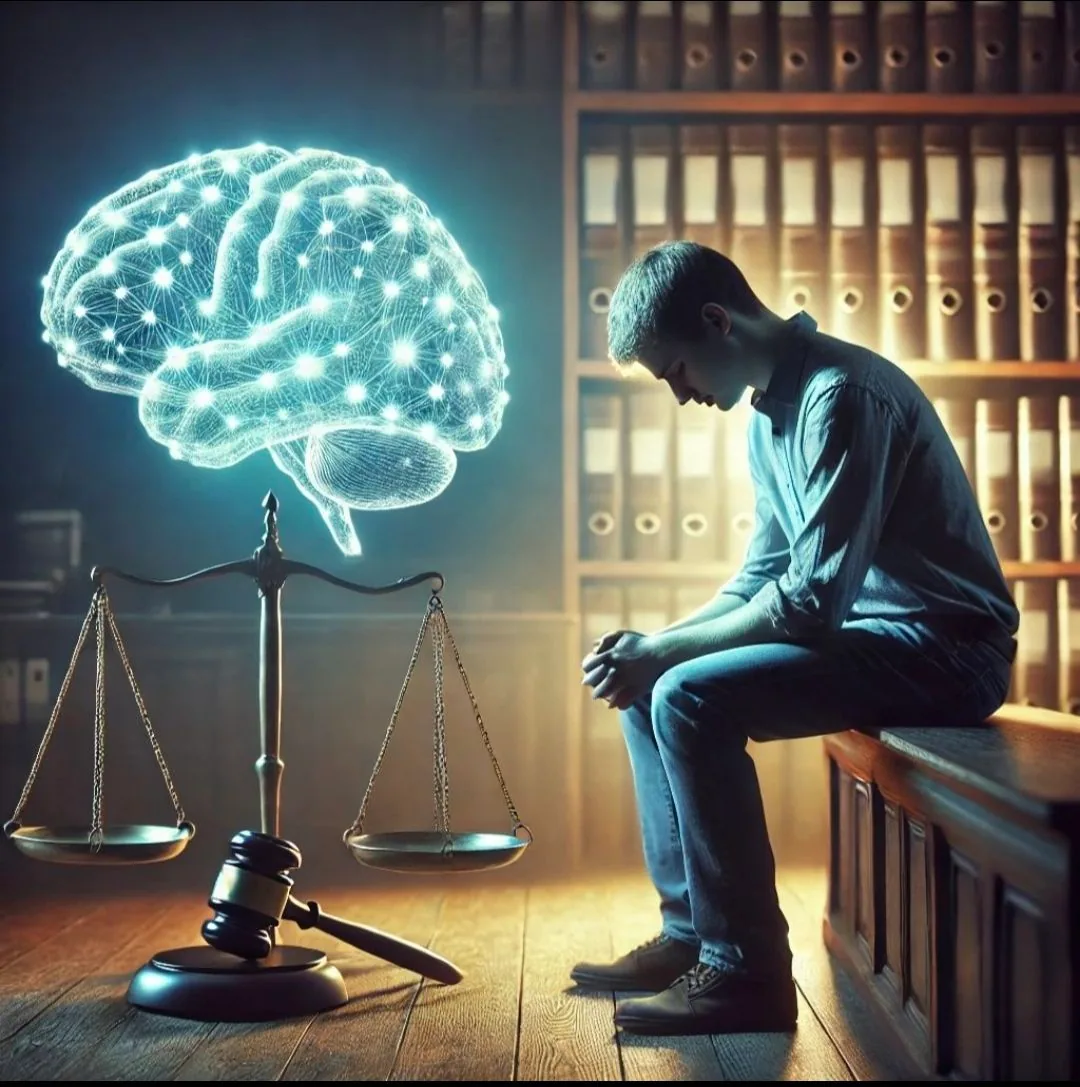
“He’s not a monster. He’s my son. And the system never saw who he really was.”
Charlotte’s voice trembles — not from confusion, but exhaustion. She’s spent years watching her son unravel after a traumatic relationship left him mentally unwell, housebound, and dependent on her for basic safety. Now, after a trial that she describes as “cold, careless, and completely disconnected from his needs,” she’s left facing every parent’s worst nightmare: a conviction she believes was delivered without justice ever truly being served.
This is more than one mother’s heartbreak. It’s a window into a much deeper issue — a justice system that, in Charlotte’s words, “was never built for people like my son.” And across Scotland, families like hers are beginning to speak out.
The Case No One Listened To
Charlotte’s son was diagnosed with ASD (Asperger’s) and PTSD following an assault years ago — and since then, he’s never been the same. Isolated in his room, unable to leave without the curtains drawn and doors locked, Charlotte did everything she could to shield him from the world that seemed to have swallowed him whole.
So when he was accused of rape and abuse — years after the relationship had ended — it felt like the floor gave way beneath her. “I didn’t know how to make anyone see him for who he really is. All they saw was an accusation and a young man who didn’t make eye contact or answer questions the way they expected.”
Her son was eventually arrested and charged, with cases split between Wales and Scotland. While Newport authorities dismissed the case, Scotland pursued it. The trial began in March 2025 — and from the first day, Charlotte says, it was like screaming into a void.
A Trial Built for Someone Else
Every day of the trial, her son was assigned a different appropriate adult — strangers who didn’t know him or his triggers. The family, despite offering statements and support, weren’t allowed to be present beside him. “It wasn’t just cruel,” Charlotte says, “it was disabling. They took away his voice and then judged him for being quiet.”
Witnesses in his favour were never called. Individuals he found intimidating — including the accuser’s father, who had previously assaulted him — were allowed to sit directly behind him in court. When he asked for them to be moved, he was told no. “It’s a public courtroom,” the solicitor reportedly said.
“He didn’t stand a chance,” Charlotte says. “They thought his behaviour meant guilt. But that’s autism. That’s trauma. He wasn’t being evasive — he was just surviving.”
The Scottish System: Different Rules, Higher Stakes
Many people don’t realise how different the justice system in Scotland is from the rest of the UK — and how those differences can change the course of someone’s life.
In Scottish courts:
- Juries have 15 members, not 12.
- Verdicts can be delivered by simple majority — even if several jurors are unconvinced.
- The Moorov Doctrine allows multiple unproven accusations to support each other — meaning someone could be convicted on allegations alone, if they seem “similar” enough.
- Sections 274 and 275 often restrict what background information the defence can present — limiting the ability to show context or contradict the accuser’s claims.
While legal experts defend these rules as efficient, many campaigners say they leave neurodivergent people dangerously exposed. When a trial hinges on whether a jury “believes” a person — and that person communicates differently due to autism — what chance do they really have?
Justice for Whom?
Charlotte’s son is now behind bars, on suicide watch, struggling to eat due to sensory issues with prison food. The people who know him best are hours away, locked out of the system that now defines his fate. “I’ve researched everything,” she says. “There are hundreds of people like him — especially in Scotland. We’re only just starting to see how deep this problem runs.”
She’s right. Organisations like Justice for Innocent Men Scotland (JIMS) have been documenting systemic failures across the Scottish legal system for years. They warn that neurodivergent people, in particular, are being misjudged and misrepresented — often by juries with no understanding of how autism works. Their recent success in the case of David Daly — who was granted bail and an appeal — shows that cracks in the system are being acknowledged. But JIMS says it’s just the tip of the iceberg.
A Broken Compass
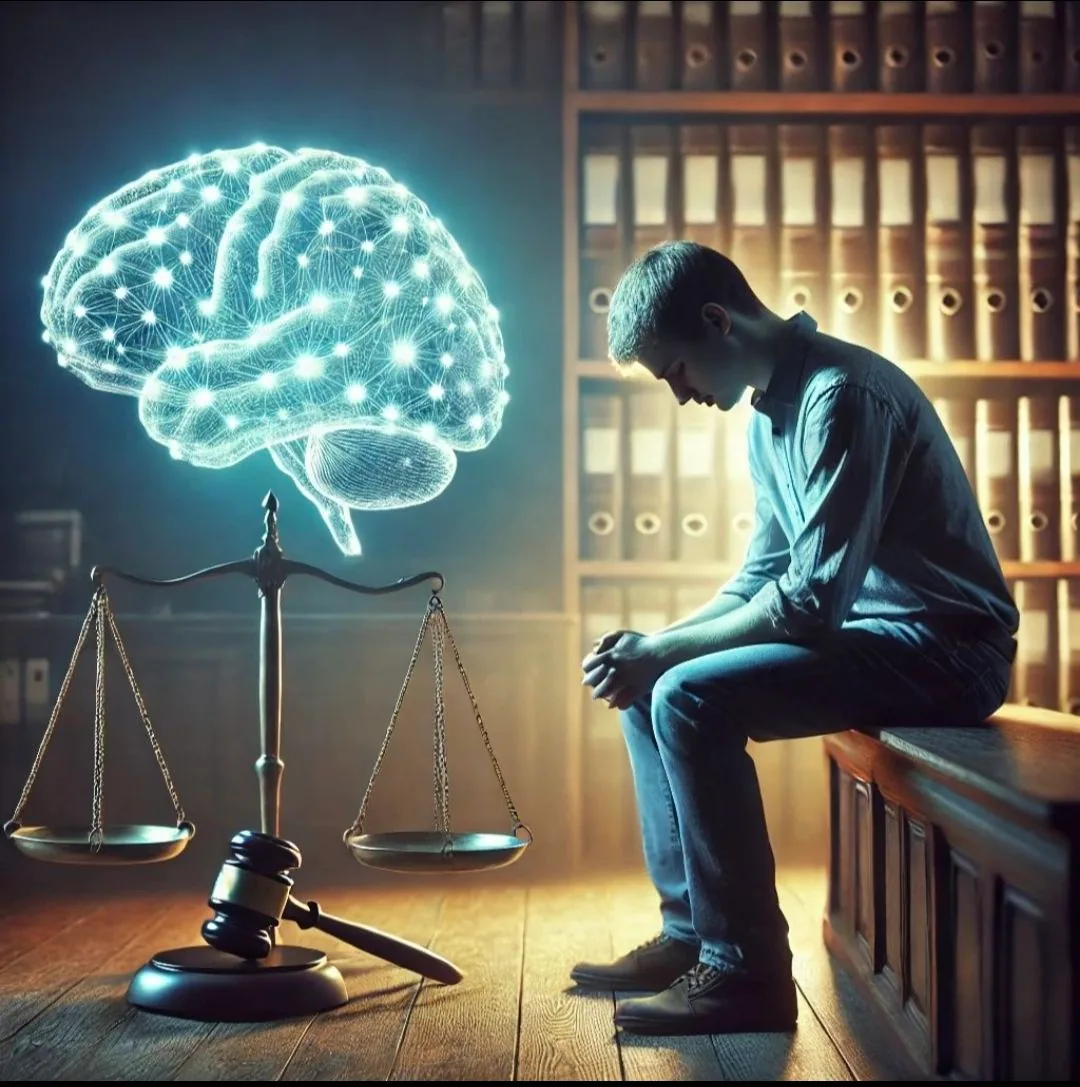
No article like this can or should pass judgement on any single case. But what it can do is ask this:
What happens when a justice system misreads behaviour that doesn’t follow a script? What happens when juries are told to “trust their instincts” about someone who communicates in a completely different way? And how many more families will be destroyed before we accept that justice must be accessible to all — not just the neurotypical?
Because when the courts can’t recognise autism, they risk punishing it.
And that’s not justice. That’s failure.
Name omitted for privacy. This article is based on Charlotte’s account, supported by public sources. No conclusions of guilt or innocence are implied.