Witness and Weight: Two Tragedies That Haunt Us
By Sophie Lewis | @sophielewiseditorial
Two tragedies, decades apart, yet both force us to confront the same haunting question: what does it mean to stand by in the face of unimaginable loss?
As a journalis, whether behind the lens or behind the byline. I’ve always believed our first duty is to witness. But these stories pull me back to the uncomfortable truth: that to witness is also to be judged.
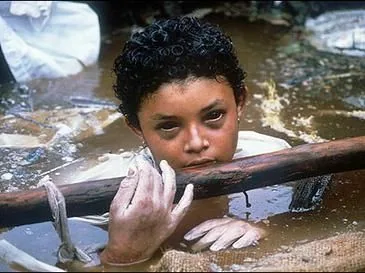
In 1985, Frank Fournier captured the final hours of 13-year-old Omayra Sánchez, trapped in volcanic mudflow in Colombia. His haunting photograph would become one of the most powerful images of the 20th century. But as he documented her last breaths, her face bloodshot, her words heartbreakingly brave, he was forced to make an impossible choice. There was no way to free her. He could only witness. And for that, he faced a storm of criticism: why didn’t you help? Why didn’t you save her?
In that moment, Fournier knew rescue was physically impossible. Yet the outside world couldn’t see that. They saw only a man behind a camera, seemingly detached. They didn’t see the desperate rescue workers who tried and failed. They didn’t feel the weight of that impossible choice, the knowledge that sometimes, the most you can do is show the world what’s happening.
And just days ago, another tragedy unfolded closer to home.
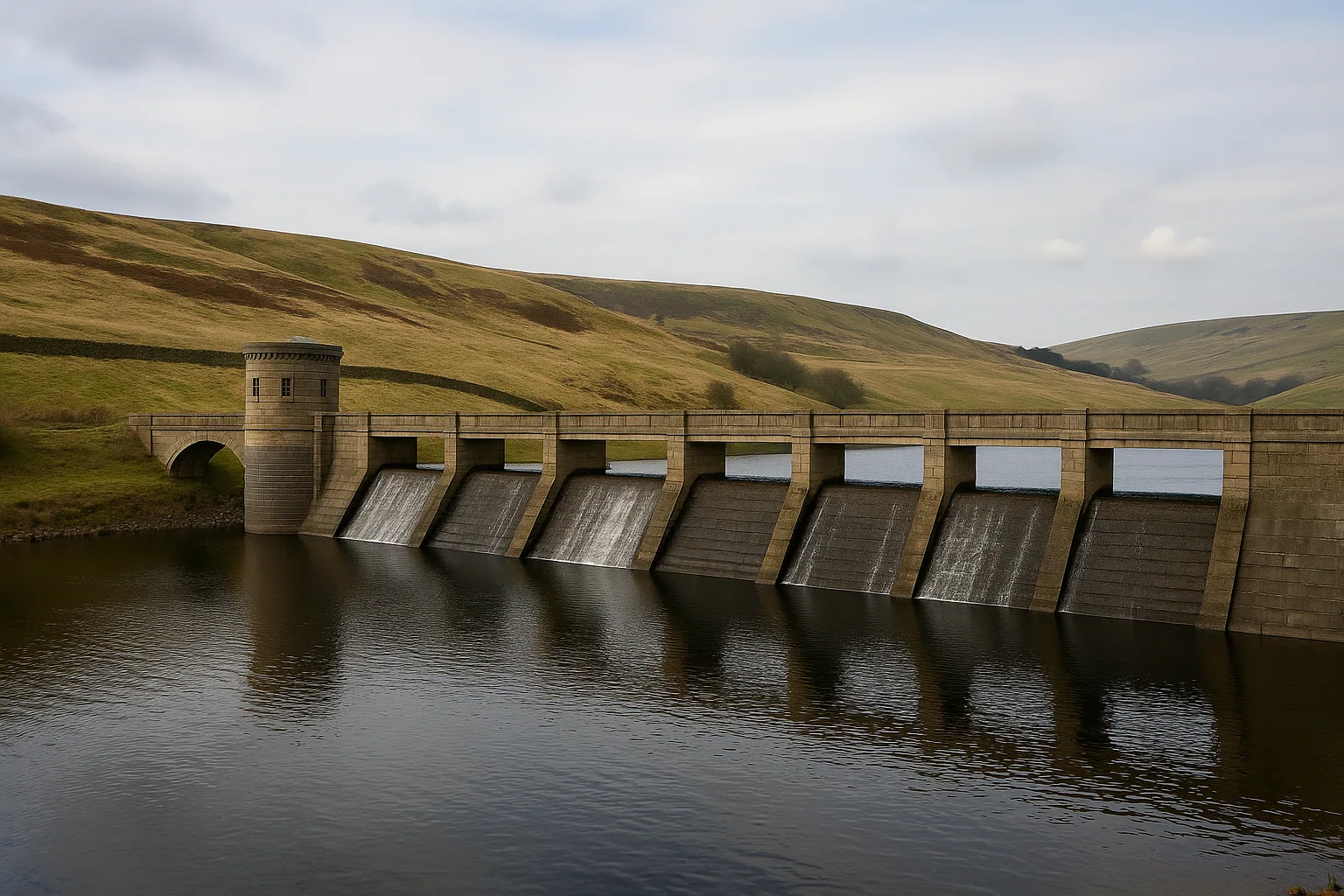
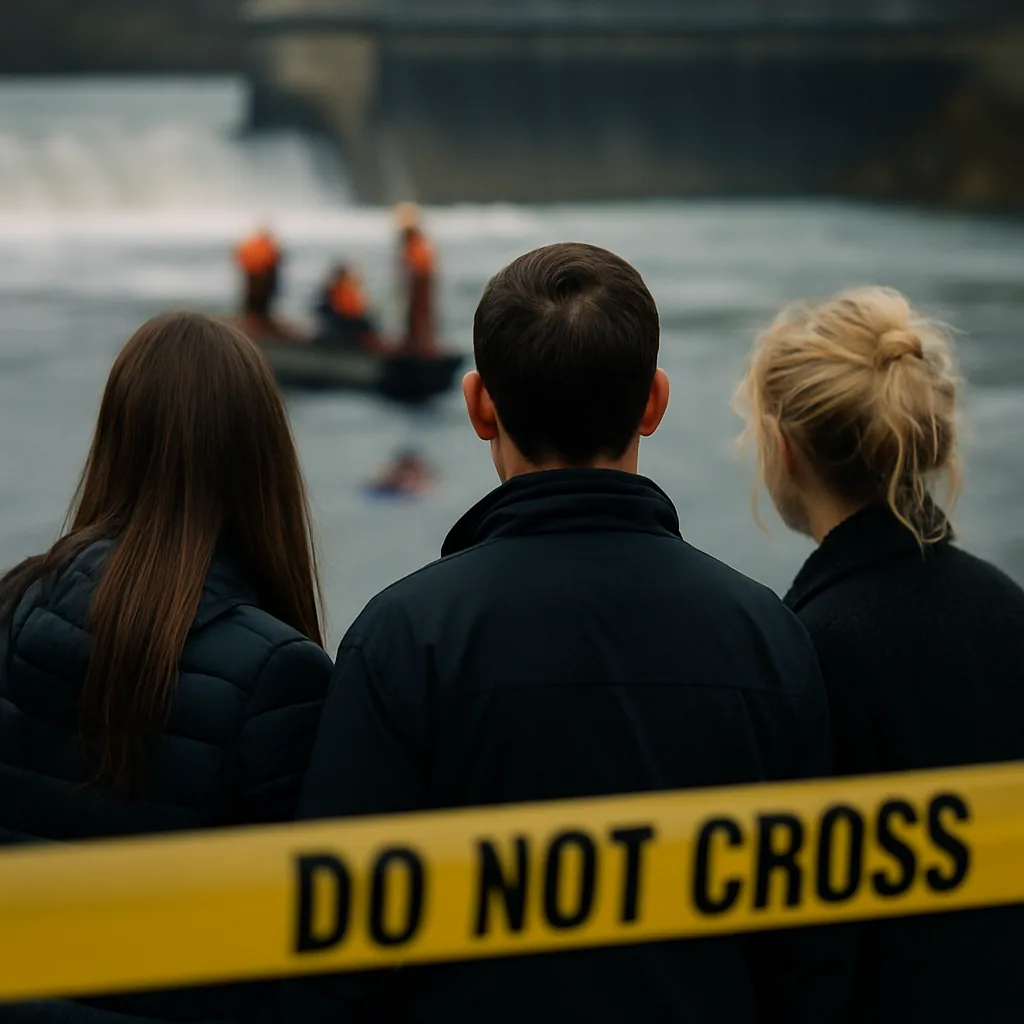
A young girl fell into the water at Baitings Dam in West Yorkshire. Her father didn’t jump in after her. He was already battling a heart condition. But the moment was shared with the world, and the same questions rose up again. Why didn’t he jump? Why didn’t he save her?
We judge so quickly, don’t we? We see the headline, the viral image, the fleeting story and we forget that real life isn’t black and white. In those moments of crisis, instincts collide with physical limits. Fear, love, and helplessness all fight for control. And sometimes, the body or the mind just says no. But the world doesn’t always understand that.
I’m not a photojournalist like Fournier, but these stories speak to me. They remind me that as journalists, we’re often forced to make that same impossible choice: when to act, and when to witness. And in those moments, we’re not just journalists. We’re human beings, grappling with the weight of the moment and the endless echo of outside noise.
Maybe that’s what these stories are really about: the courage it takes to stand there. To see, to care, and to carry that moment with you forever.
To witness. To remember. To refuse to let the world look away.