The Torture Mother
©️ Sophie Lewis|Shadowborn
The Murder of Sylvia Likens: When an Entire Neighbourhood Became Complicit
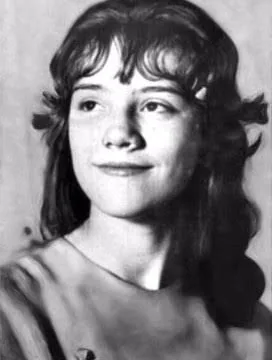
Sylvia Likens was 16 years old.
She loved the Beatles. She babysat neighbourhood kids. She went by the nickname “Cookie.”
She was described as pretty, confident, and bright, though she was missing a front tooth.
In July 1965, her parents, carnival workers struggling financially, left Sylvia and her 15-year-old sister Jenny in the care of a woman named Gertrude Baniszewski.
They paid her $20 a week.
It seemed like a reasonable arrangement whilst they travelled for work.
Three months later, Sylvia was dead.
Her body covered in over 150 separate wounds.
And the person who killed her wasn’t just Gertrude Baniszewski.
It was Gertrude’s seven children.
And a rotating cast of neighbourhood kids.
Some as young as 10 years old.
Who paid five pence to watch, participate, or beat Sylvia themselves.
Who Was Gertrude Baniszewski?
Gertrude Baniszewski was 37 years old in 1965.
Divorced. Mother of seven children:
- Paula (17)
- Stephanie (15)
- John Jr. (12)
- Marie (11)
- Shirley (10)
- James (8)
- Dennis (1)
She was mentally and physically unwell.
Depressed. Asthmatic. Financially struggling.
On the surface, she appeared resilient, a single mother raising seven kids on a limited income.
But beneath that, she was unstable, cruel, and violent.
And when the Likens parents left their daughters in her care, they handed Sylvia over to someone who would orchestrate one of the most sadistic murders in American history.
How It Started
At first, things seemed fine.
Sylvia and Jenny moved into Gertrude’s home at 3850 East New York Street in Indianapolis.
They did what teenagers do, sang, roller-skated, earnt small amounts of money doing odd jobs, helped with housework.
But Lester Likens’ financial struggles continued.
And when the $20 weekly payment arrived late, Gertrude snapped.
She took out her frustration on the girls.
At first, it was just beatings.
Slaps. Punches. Being hit with belts and boards.
But it escalated.
Quickly.
And almost exclusively, the focus landed on Sylvia.
The Rumours and the Scapegoating
Gertrude began spreading rumours that Sylvia was promiscuous.
That she was sleeping around.
That she was a “prostitute.”
None of it was true.
An autopsy later confirmed Sylvia’s hymen was still intact, she was a virgin.
But the rumours gave Gertrude a justification.
She wasn’t torturing an innocent girl.
She was punishing a bad girl who deserved it.
And that narrative made it easier for others to participate.
The Systematic Torture
What happened to Sylvia Likens over the next three months defies comprehension.
This wasn’t a single act of violence.
This was sustained, incremental, deliberate cruelty inflicted by multiple people over an extended period.
The Beatings
Sylvia was beaten:
- With fists, boards, belts, paddles
- Kicked repeatedly
- Thrown down the basement stairs
- Used as a practise dummy for judo moves by neighbourhood boys
Gertrude’s 12-year-old son, John Jr., would practise judo flips and punches on her.
Neighbourhood boys Coy Hubbard and Richard Hobbs did the same.
They treated her like an object. A toy. A punching bag.
The Burns
Sylvia was burnt with:
- Cigarettes (over 100 cigarette burns documented)
- Matches
- Scalding hot baths (forced to sit in water so hot it peeled her skin)
The Mutilation
On 22 October 1965, Gertrude and Paula heated a sewing needle.
They used it to carve into Sylvia’s stomach:
“I’m a prostitute and proud of it”
The carving took hours.
Sylvia screamed the entire time.
Gertrude later had Richard Hobbs (a neighbourhood teenager) finish the job because her hands were shaking too badly.
The Starvation and Deprivation
Sylvia was:
- Denied food for days at a time
- Denied water
- Denied access to the bathroom (forced to wet herself, then punished for it)
- Fed her own faeces
- Forced to eat rubbish
She lost significant weight. Her body began to shut down.
The Basement
After Sylvia became incontinent from the abuse, Gertrude decided she was “too dirty” to live upstairs.
She was locked in the basement.
Tied up.
Left in the dark.
With no food. No water. No access to a toilet.
Neighbours later reported hearing screams from the basement.
Screams that would stop around 3:30 AM.
Then start again the next day.
The “Guests”
Gertrude invited neighbourhood children to come see Sylvia.
She charged them five cents to watch or participate in the torture.
Some kids:
- Beat her
- Burnt her with cigarettes
- Stubbed out cigarettes on her skin
- Practised martial arts moves on her tied-up body
- Threw her down the stairs
One 10-year-old girl later testified she “didn’t think it was wrong” because Gertrude said it was okay.
The Forced Letter
In the final days of Sylvia’s life, Gertrude had a plan.
She was going to take Sylvia to a wooded area called Jimmy’s Forest, leave her there, and let her die.
To cover her tracks, she forced Sylvia to write a letter claiming she’d been beaten and tortured by “a gang of boys” after agreeing to have sex with them.
The letter was intended to frame anonymous boys for Sylvia’s condition.
Sylvia, barely able to hold a pen, wrote the letter.
Gertrude was going to blindfold her, have John Jr. and Jenny take her to the woods, and abandon her.
But Sylvia never made it to the woods.
The Escape Attempt
On 25 October 1965, Sylvia overheard Gertrude and John Jr. discussing the plan to dump her in the forest.
She realised they were going to kill her.
So she tried to escape.
Despite being unable to walk properly from the injuries, she crawled up the basement stairs.
She made it to the living room.
But Gertrude caught her.
Dragged her back downstairs.
And the beating that followed was the worst one yet.
26 October 1965 – The Final Day
The morning of 26 October, Sylvia could barely move.
She could no longer form intelligible words.
Her body was shutting down.
Gertrude and her children beat her one last time.
Particularly around the stomach.
They tried to force crackers into her mouth.
Sylvia refused, saying: “Give it to the dog, I don’t want it.”
Gertrude forced the crackers down her throat anyway.
Then beat her around the head with a shower head.
Sylvia went into shock.
By 6:30 PM, she was dead.
Cause of death: Subdural haematoma (brain bleed) and shock, complicated by severe malnutrition.
She had over 150 separate wounds on her body.
Burns. Bruises. Broken fingernails. Lacerations. A swollen vaginal cavity.
Her lips were so badly damaged, she’d bitten through them.
Muscle damage. Nerve damage. Extensive internal injuries.
She weighed barely anything.
She was 16 years old.
The Cover-Up
When Sylvia died, Gertrude panicked.
She called the police and stuck to her cover story:
Sylvia had been out with boys in the woods. They’d beaten her to death. They’d carved the words into her body.
The police arrived.
They saw Sylvia’s body lying on a filthy mattress in an upstairs bedroom.
And even hardened officers were horrified.
But Jenny Likens, Sylvia’s 15-year-old sister, saw her chance.
She got close to a police officer and whispered:
“Get me out of here and I’ll tell you everything.”
The Arrests
Police arrested:
- Gertrude Baniszewski
- Paula Baniszewski (17)
- Stephanie Baniszewski (15), later turned state’s evidence, not charged
- John Baniszewski Jr. (12)
- Richard Hobbs (teenager, neighbourhood)
- Coy Hubbard (teenager, neighbourhood)
Additional minors arrested for “injury to person”:
- Mike Monroe
- Randy Lepper
- Darlene McGuire
- Judy Duke
- Anna Siscoe
When the case went to trial, it became clear:
An entire neighbourhood had participated.
Children. Teenagers. All encouraged by an adult who convinced them it was acceptable.
The Trial
The trial began in April 1966.
Deputy Prosecutor Leroy New called it “the most diabolical case to ever come before a court or jury.”
Gertrude’s own defence lawyer described Sylvia as having been subjected to “acts of degradation that you wouldn’t commit on a dog.”
The prosecution presented:
- Autopsy evidence (150+ wounds)
- Testimony from Jenny Likens
- Testimony from neighbourhood children who participated
- Evidence of the carved message on Sylvia’s stomach
Gertrude’s defence tried to claim insanity.
Her lawyer even held up a photo of Sylvia’s mutilated body and asked the jury:
“How can anybody look at that woman and say she’s sane?”
But the jury didn’t buy it.
The Sentences
19 May 1966:
Gertrude Baniszewski: Guilty of first-degree murder. Sentenced to life imprisonment.
Paula Baniszewski: Guilty of second-degree murder.
John Baniszewski Jr., Richard Hobbs, Coy Hubbard: Guilty of manslaughter.
But here’s where it gets infuriating:
Gertrude was released on parole in 1985, after serving just 20 years.
Paula was released in 1972, after serving just 7 years.
John Jr., Hobbs, and Hubbard were released in 1968, after serving less than two years in the Indiana Reformatory.
Two years.
For torturing a 16-year-old girl to death.
What Happened to Them After Release
Gertrude Baniszewski
Changed her name to Nadine Van Fossan.
Moved to Iowa.
Worked as a teacher’s aide.
When her past was discovered in 2007 (after the film An American Crime was released), she was suspended.
She died of lung cancer in 1990 at age 61.
She never publicly expressed remorse.
Paula Baniszewski
Changed her name.
Got married. Had children.
Reportedly lived a quiet life.
Never publicly acknowledged what she did.
John Baniszewski Jr.
Changed his name to John Blake.
Became a lay minister and estate agent.
Unlike the others, he publicly expressed remorse.
He told a reporter: “My mum was a very selfish, self-centred woman.”
He died of cancer in 2005 at age 52.
He’s reportedly the only one who ever showed genuine remorse.
Coy Hubbard
Never changed his name.
Remained in the Indianapolis area.
Reportedly lost his job in 2007 when the An American Crime film came out and people realised who he was.
Was tried for another murder in 1982 but acquitted.
Richard Hobbs
Lived quietly after release.
One of Sylvia’s solicitors ran into him at a petrol station in the early 1970s.
Hobbs was effusive and friendly, wanting to introduce the lawyer to his boss.
That was the last contact.
The Neighbours Who Knew
Here’s what makes this case even more horrifying:
People knew.
The Neighbours
Neighbours heard Sylvia’s screams.
They heard someone asking for help.
One neighbour said the screams stopped around 3:30 AM on the morning of 26 October.
By 6:30 PM, she was dead.
But in 1965, no one felt compelled to come forward.
The prevailing attitude: “It wasn’t their business.”
The Public Health Nurse
A neighbour reported the abuse to a public health nurse.
The nurse visited the house.
But Gertrude convinced her that everything was fine, that she’d “kicked the Likens girls out.”
The nurse didn’t see Sylvia (she was locked in the basement).
So the nurse concluded nothing was wrong and left.
Diana Shoemaker (Older Sister)
Sylvia and Jenny’s older sister, Diana, tried to visit.
Gertrude refused to let her in, claiming she had “permission from the parents” to keep Diana away.
Two weeks later, Diana saw Jenny by chance and asked about Sylvia.
Jenny said: “I can’t tell you or I’ll get into trouble.”
Diana didn’t push further.
She later said she sneaked food into the basement for Sylvia when she could.
But she didn’t call the police.
The Teachers
Teachers at school likely noticed Sylvia’s injuries, bruises, burns, open sores.
But they didn’t feel “empowered” to say anything.
In 1965, there were no mandated reporting laws.
No system to protect children from abuse in their own homes.
Why Did This Happen?
1. Gertrude’s Psychological State
Gertrude was:
- Mentally ill (likely untreated depression, possible personality disorder)
- Physically ill (severe asthma, chronic pain)
- Financially desperate
- Resentful of her own circumstances
She took out her rage on Sylvia.
But she didn’t act alone.
2. The Children Learnt Cruelty
John Jr. (12 years old) demonstrated violent behaviour as a “solution” to problems.
He’d seen his mother do it.
So when Gertrude started torturing Sylvia, John copied her.
He kicked Sylvia. Burnt her with cigarettes. Used her as a practise dummy.
And when his classmates came over and saw him doing it, they joined in.
Because if an adult says it’s okay, it must be okay.
Right?
3. The Bystander Effect
Everyone assumed someone else would intervene.
Neighbours thought: “It’s not my place.”
Teachers thought: “I’m not empowered to act.”
Family members thought: “Someone will handle it.”
No one handled it.
4. The Lack of Systems
In 1965, there was:
- No mandated reporting law
- No child protective services as we know them today
- No training for teachers or nurses on recognising abuse
- A cultural attitude of “don’t interfere in other people’s homes”
So even when people saw or heard abuse, they didn’t know what to do.
Or felt they couldn’t do anything.
The Legacy
After Sylvia’s death, Indiana passed mandated reporter laws.
Everyone in the state, regardless of age or profession, is now required by law to report suspected child abuse.
Prosecutors and police began to understand child abuse investigations better.
Schools and child-first organisations began identifying signs of abuse.
There’s now a Child Advocacy Centre in Boone County, Indiana, named Sylvia’s CAC in her honour.
They provide forensic interviews and victim advocacy services at no cost to families.
The house at 3850 East New York Street stood vacant for years.
There were discussions about converting it into a women’s shelter, but funds were never raised.
It was demolished in 2009.
Two films have been made about Sylvia’s case:
- An American Crime (2007) starring Elliot Page and Catherine Keener
- The Girl Next Door (2007)
What This Case Reveals
Cruelty is Contagious
When an authority figure, a parent, a teacher, an adult, normalises violence, children learn that violence is acceptable.
Gertrude didn’t just torture Sylvia herself.
She recruited her own children and neighbourhood kids to participate.
She made it a group activity.
And children, desperate for approval and unclear on boundaries, went along with it.
Bystanders Enable Abuse
For three months, people heard screams.
Saw injuries.
Suspected something was wrong.
And did nothing.
Not because they were evil.
But because they didn’t think it was their responsibility.
Or they didn’t know how to help.
Or they were afraid of the consequences.
Systems Matter
Sylvia died because there was no system in place to protect her.
No mandated reporting.
No trained professionals looking for signs of abuse.
No mechanism for intervention.
Her death changed that.
But it came too late for her.
The Prosecutor’s Words
At the trial, Deputy Prosecutor Leroy New said:
“This is the most diabolical case to ever come before a court or jury. I don’t think the people of Indiana have ever been confronted with such a spectacle.”
The Indianapolis Police Department’s homicide chief, a veteran of over 30 years, said it was “the most sadistic act I ever came across.”
And Gertrude’s own defence lawyer said Sylvia had been subjected to “acts of degradation that you wouldn’t commit on a dog.”
What Sylvia Deserved
Sylvia Likens deserved to:
- Be safe in the home her parents left her in
- Finish school
- Sing along to the Beatles
- Skate with her friends
- Live
She deserved neighbours who called the police when they heard screams.
She deserved teachers who reported the bruises and burns.
She deserved a system that protected children.
She deserved justice that matched the crime.
She got none of that.
Final Thoughts
The murder of Sylvia Likens wasn’t just committed by Gertrude Baniszewski.
It was committed by:
- Gertrude’s children, who learnt cruelty from their mother
- Neighbourhood kids, who participated because an adult said it was okay
- Neighbours, who heard screams and did nothing
- Teachers, who saw injuries and stayed silent
- A system, that had no mechanism to intervene
For three months, Sylvia suffered.
And for three months, an entire community looked away.
Not because they were monsters.
But because no one thought it was their job to help.
💀🏚️
Sylvia Marie Likens
3 January 1949 – 26 October 1965
She was 16 years old.
She loved the Beatles.
She wanted to live.
May her name be a warning.
And may we never say “it’s not my business” again.