What to Do When They Come Back
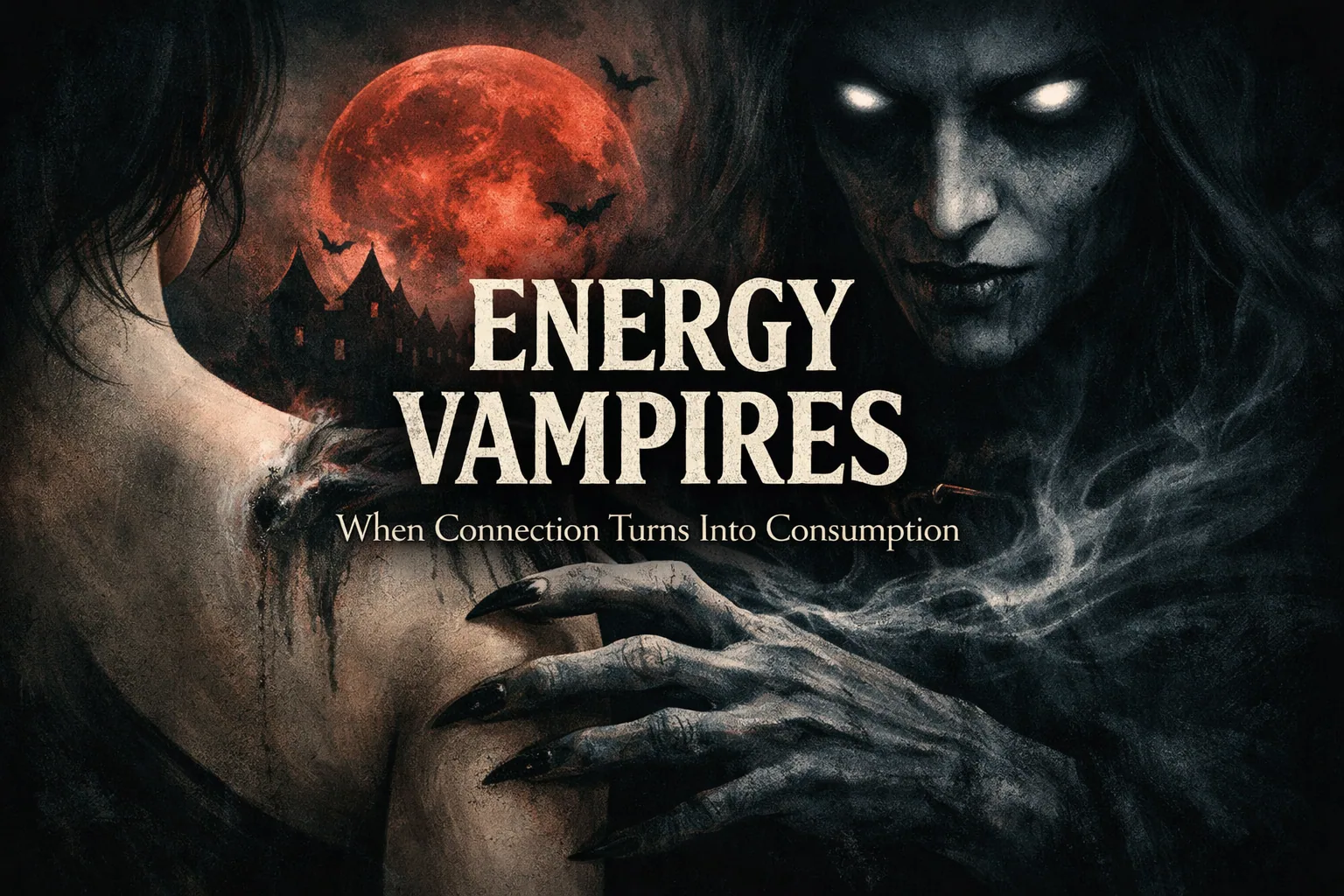
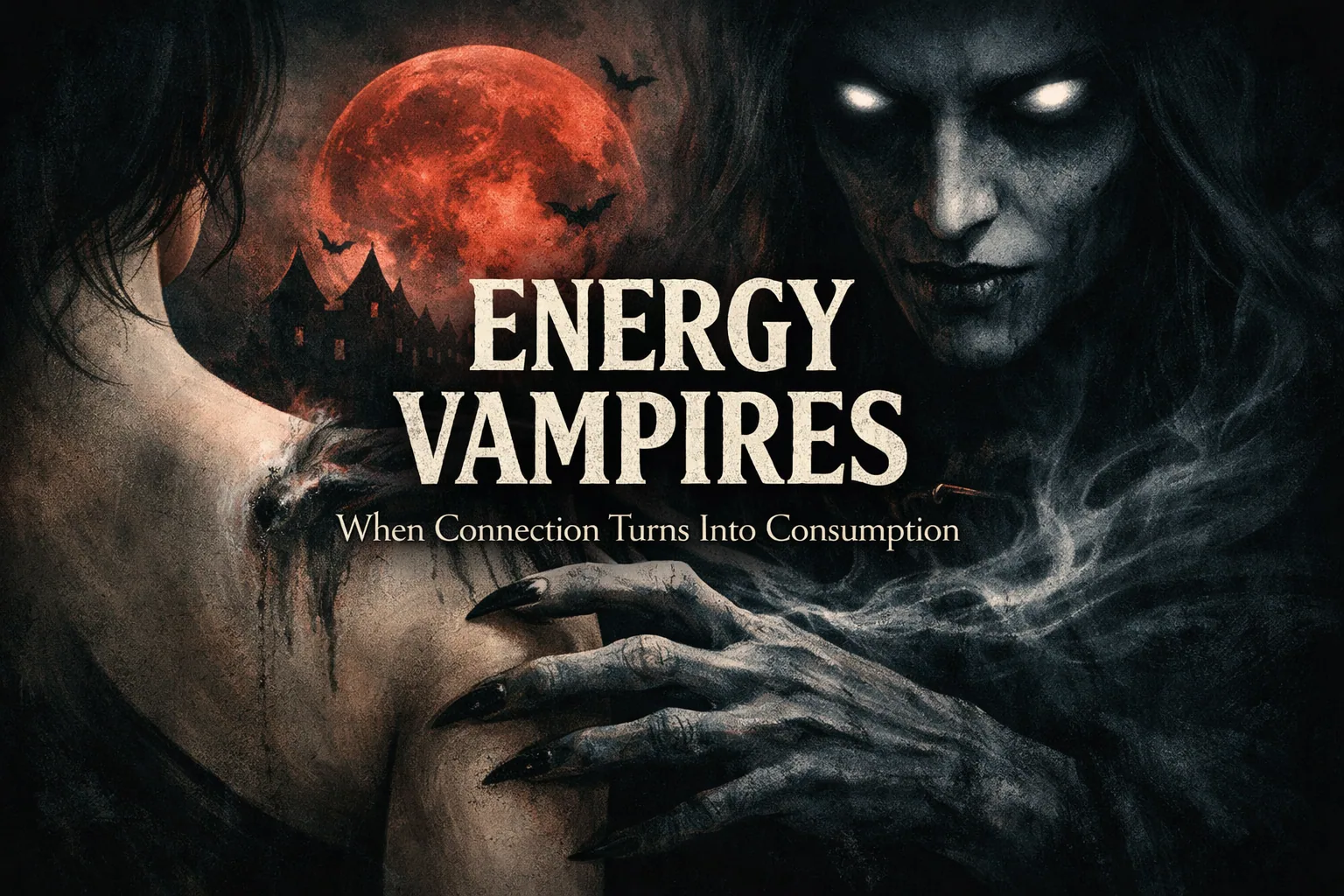
A Shadowborn guide to handling re entry attempts, extinction bursts, and the second wave of emotional extraction
THE RETURN
They Always Come Back
If you have stepped away from an energy vampire dynamic, here is what almost no one tells you:
They come back.
Not always immediately.
Sometimes weeks later.
Sometimes months.
Sometimes right when you have finally stopped thinking about them.
And when they do, it rarely looks like what you expect.
What the Return Looks Like
The re entry attempt usually takes one of these forms:
1. The Casual Check In
“Hey, just thinking about you. How are you?”
“Saw something that reminded me of you.”
“It has been a while…”
No acknowledgement of the dynamic.
No recognition of why you stepped back.
Just a gentle knock on the door, testing if it is still open.
2. The Crisis Re Activation
“I really need you right now.”
“Something terrible happened.”
“I do not know who else to turn to.”
This one comes with urgency.
It bypasses your boundary by making it seem cruel to maintain it in the face of their emergency.
3. The Apology (That Is Not Really an Apology)
“I am sorry if I was too much.”
“I have been working on myself.”
“I understand why you needed space.”
It sounds like accountability.
But watch what happens next. If the pattern does not actually change, the apology was just another way in.
4. The Guilt Trip
“I guess I am not worth your time anymore.”
“I thought we were closer than this.”
“You really hurt me when you disappeared.”
This one reframes your boundary as your cruelty.
It flips the script so that protecting yourself becomes the thing you need to apologise for.
5. The Love Bomb
“You are the only person who really gets me.”
“I miss you so much.”
“You are so important to me.”
This floods you with what you wanted from the relationship all along. Appreciation. Recognition. Reciprocity.
But it is not real connection.
It is bait.
Why They Come Back
Here is the truth that is hard to hear:
They do not come back because they have changed.
They come back because their supply ran out.
Energy vampires move through people.
When you stepped away, they found someone else or tried to manage on their own for a while.
But eventually:
- The new person set boundaries too
- They burned through their other contacts
- Their own dysregulation became unbearable
- They remembered you were safe
And so they return.
Not because they miss you.
Because they miss what you provided.
THE TEST
What They Are Actually Doing
When they come back, they are not just reaching out.
They are testing.
Testing:
- If the boundary is still there
- If you have softened
- If they can slip back in
- If guilt will work this time
This is not always conscious.
Most of the time, it is not.
Their nervous system is looking for the pattern that worked before.
And it is hoping you will return to it.
The Moment of Choice
This is where you decide.
Not in theory.
Not in the abstract.
Right now, in the moment when the message comes through.
You have three options:
1. Re engage
Go back to the old dynamic.
Respond. Soothe. Regulate. Repeat.
2. Negotiate
Reply with boundaries. Try to make it work differently this time.
3. Hold the line
Do not respond. Or respond minimally and hold your position.
None of these is wrong.
But only one of them protects what you have built since stepping away.
What Your Nervous System Is Doing
When they come back, your body often responds before your mind does.
You might feel:
- Anxiety. A flood of what if I was wrong
- Guilt. Maybe I was too harsh
- Relief. See, they do care
- Dread. Oh god, not this again
- Confusion. Why do I feel bad when I set the boundary
This is your nervous system trying to make sense of conflicting information:
- The part of you that wants connection, even broken connection
- The part of you that knows the cost
- The part of you that still hopes it could be different
All of these parts are valid.
But they do not all serve your healing.
THE DECISION
How to Know If This Time Is Different
Sometimes people do change.
Sometimes the re entry is genuine.
Sometimes they have done real work and the dynamic can shift.
Here is how to tell:
Real change looks like:
- Acknowledgement. They name the specific pattern that was harmful
- Accountability. They do not make excuses or blame you for stepping back
- Action. They have been in therapy, doing their own work, building other support
- Respect. They do not pressure you to re engage. They leave the door open without demanding entry
- Time. They are willing to rebuild slowly, without immediately returning to the old intensity
Fake change looks like:
- Vague apologies without specifics
- I have been working on myself without evidence
- Pressure to move past it quickly
- Immediate return to the same patterns once you re engage
- Making you responsible for proving you have forgiven them
If you cannot tell the difference yet, default to distance.
You can always choose connection later.
You cannot un drain yourself once you are back in it.
The Script: If You Are Responding
If you decide to respond, keep it short, clear, and boundaried.
“I appreciate you reaching out. I am still not available for the kind of support dynamic we had before. If that changes, I will let you know.”
“I am glad you are doing better. I am not in a place to reconnect right now.”
“I care about you, but I need to prioritise my own wellbeing. I hope you understand.”
“I am not available for this anymore. I wish you well.”
No justification.
No softening.
No opening for negotiation.
If they respond with guilt, anger, or pressure, that is your confirmation that nothing has changed.
The Script: If You Are Not Responding
Sometimes the healthiest response is no response.
Not out of cruelty.
But because:
- You do not owe them access
- Engaging will restart the cycle
- Your silence is your boundary
If you choose not to respond, you might feel:
- Guilty, normal
- Anxious, also normal
- Like you are being mean, you are not
But silence is not punishment.
It is protection.
THE SECOND WAVE
When They Escalate
If your boundary holds, they might escalate.
This is called an extinction burst, a psychological term for when a behaviour that used to work suddenly does not, so the person intensifies it in a last ditch attempt to get the old result.
What escalation looks like:
- Multiple messages in a row
- Are you getting my messages
- Switching platforms, text to email to social media
- Reaching out through mutual friends
- Framing your boundary as cruelty or abandonment
- Threatening self harm or crisis
- Showing up in person, if they have access
This is not connection.
This is desperation.
And your response needs to stay the same. Hold the line.
If They Threaten Harm
This is one of the hardest situations.
If someone says:
- I do not know what I will do without you
- You are the only person keeping me alive
- If you do not respond, I might hurt myself
You are not responsible for their safety.
Let me say that again:
You are not responsible for their safety.
If someone is genuinely in crisis:
- Suggest they contact a crisis line, therapist, or emergency services
- If you are genuinely concerned they are at immediate risk, you can call for a welfare check
- But you do not have to re engage to save them
Using self harm as emotional leverage is manipulation, even if the distress is real.
Responding to it teaches them that threats work.
When They Send Flying Monkeys
Sometimes they do not come back directly.
They send someone else to do it.
A mutual friend messages. “They are really struggling. Can you just talk to them?”
A family member. “I think you are being too hard on them.”
Someone from the periphery. “They just need closure.”
This is triangulation.
And it is a way of bypassing your boundary by using someone else’s concern as a crowbar.
Your response:
“I appreciate your concern, but this is between me and them. I am not discussing it further.”
You do not owe anyone an explanation for your boundaries.
Not even people you care about.
THE LONG GAME
What Happens Over Time
If you hold your boundary, one of a few things will happen:
1. They give up and move on
They find a new source. The contact stops. You are no longer useful to them.
2. They cycle back periodically
Every few months, another check in. Testing. Hoping. Fading again when you do not engage.
3. They do the work
Rare, but it happens. They get real help. They change. And maybe, eventually, there is space for a different kind of relationship.
4. You realise you do not want them back anyway
Sometimes distance gives you clarity. And you realise that even if they did change, you have changed too, and the relationship no longer fits.
The Grief That Comes Later
Even when you know you made the right call, it can still hurt.
You might grieve:
- The version of them you hoped they would become
- The relationship you thought you had
- The time you spent trying to make it work
- The part of yourself that tried so hard to fix it
This grief is real.
And it is allowed.
You can mourn the loss and still know you did the right thing.
Both are true.
THE RECALIBRATION
What Changes in You
When you hold a boundary with an energy vampire, especially when they come back and you still hold it, something shifts.
You start to notice:
- How much energy you have when you are not managing someone else’s emotions
- How calm your nervous system feels without constant crisis
- How much space there is for your own needs
- How different relationships feel when they are actually reciprocal
This is recalibration.
You are learning what healthy connection feels like by experiencing the absence of unhealthy extraction.
And once you feel that difference, it is very hard to go back.
Building New Patterns
When you exit an energy vampire dynamic, you create space.
That space needs to be filled intentionally, or you will fall back into old patterns.
How to fill the space differently:
- Build multiple sources of support, not one person carrying everything
- Practise self regulation, breath work, movement, grounding tools
- Notice when you are seeking external validation and pause before reaching out
- Check in with yourself first. What do I actually need right now. Can I provide it
- Choose relationships where you feel steady, not just needed
This is the real work.
Not just exiting the dynamic.
But rewiring the need that made you vulnerable to it in the first place.
THE BIGGER PICTURE
Why This Keeps Happening
If you find yourself in repeated energy vampire dynamics, it is worth asking:
What am I getting from this
Not because you are to blame.
But because there is usually a hidden payoff:
- Being needed feels like being loved
- Fixing others distracts from your own pain
- Over functioning feels like control
- Martyrdom feels like virtue
These are not character flaws.
They are survival strategies.
And they made sense once.
But if they are keeping you in draining relationships now, they need to be examined.
The Pattern Underneath the Pattern
Energy vampire dynamics do not exist in isolation.
They are often part of a larger web:
- Fawn response
- Codependency
- Enmeshment
- Unprocessed trauma
Exiting one dynamic is important.
But healing the pattern means going deeper.
This is where therapy, trauma work, and real shadow integration come in.
Not the Instagram version.
The kind that makes you cry in the car park because you finally saw the thing you have been avoiding for years.
THE SOVEREIGNTY
What You Are Actually Protecting
When you hold a boundary with someone who is coming back, you are not just protecting your time or energy.
You are protecting your right to exist without constantly serving someone else’s nervous system.
That is not selfish.
That is sacred.
The Final Truth
Not everyone who returns has earned re entry.
You do not owe:
- Second chances
- Benefit of the doubt
- Forgiveness on their timeline
- Access just because they are asking
You do owe yourself:
- Clarity about what you will tolerate
- Protection of your peace
- Relationships that do not cost you your recovery
- The space to heal without interference
If they come back and you are unsure, ask yourself:
Does this person make my life better or just more complicated
That is your answer.
Integration Practice: Holding the Line
If you are facing a re entry attempt right now:
Sit quietly.
Hand on your heart.
Feel your breath.
Ask yourself:
- What do I actually want from this person
- Can they give it
- What will it cost me to try again
- What will it cost me to hold my boundary
Then say aloud or internally:
“I am allowed to protect myself.
I am allowed to say no.
I am allowed to choose relationships that nourish me.
I do not owe re entry just because someone is knocking.
My peace is not negotiable.”
Repeat until it settles.
This is not about being cold.
It is about being sovereign.
When they come back, it is not a test of your compassion.
It is a test of your boundary.
And every time you hold it, you are teaching your nervous system something new:
“I am safe even when I disappoint someone.
I am worthy even when I am not useful.
I am enough even when I am not accommodating.”
That is the real transformation.
Not cutting people off.
But choosing yourself.
Even when it is hard.
Even when it hurts.
Even when they come back.
This is Shadowborn.
Where we hold the line.
Where we choose ourselves.
Where we stop bleeding for people who refuse to heal.
🌑